
Table of Contents
What Causes Sleep Disorders in Children?
Sleep disorders in children are usually the result of several overlapping factors rather than a single cause. Understanding these factors helps parents respond calmly and distinguish between what is normal at different stages of development and what needs professional attention.
Common causes of sleep disorders in children include:
1. Biological and developmental factors
In the first years of life, a child’s internal body clock (the sleep–wake regulation system) is still maturing. Because of this, many young children sleep in short stretches and wake frequently at night. Periods of teething, growth spurts, and hormonal changes in adolescence can also disrupt the timing and quality of sleep.
2. Psychological and emotional factors
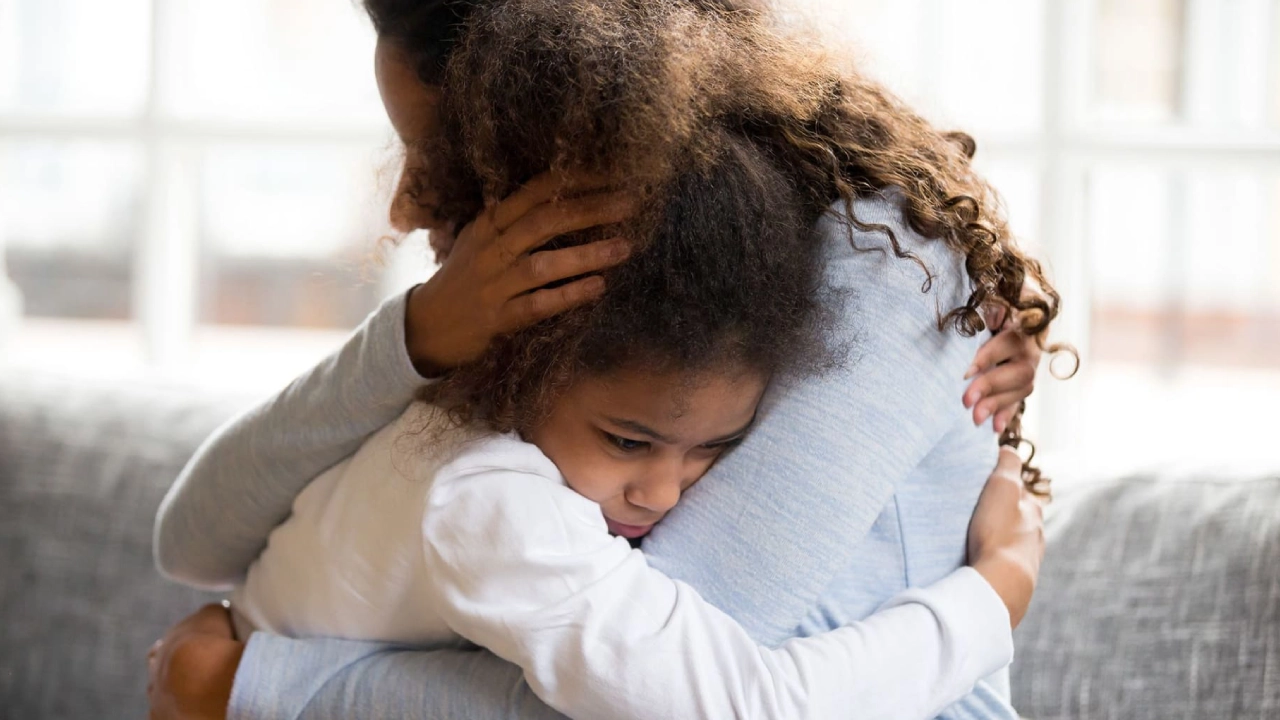
Anxiety, changes in routine, and feelings of fear or insecurity may all show up as trouble falling asleep, frequent night awakenings, or nightmares. When anxiety becomes persistent or begins affecting daily life, understanding the difference between normal anxiety and an anxiety disorder can help parents recognize when additional support may be needed.. Starting a new school, the arrival of a new baby, or ongoing family conflict are examples of life events that can unsettle a child’s sleep.
3. Behavioral and environmental factors
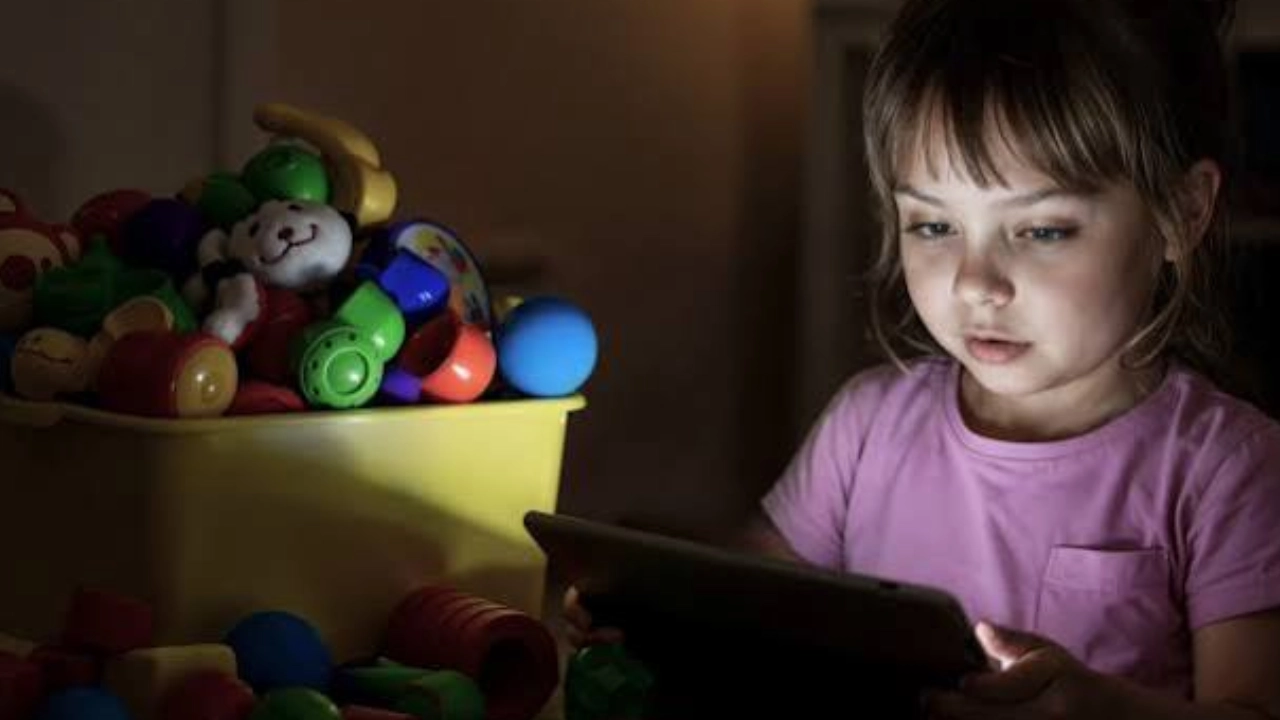
Screen use before bed (phones, tablets, TV), sleeping in a noisy or brightly lit room, or getting used to falling asleep in front of the television can all confuse the body clock and reduce sleep quality. Irregular bedtimes and wake times tend to make sleep problems worse.
4. Medical conditions
Certain health problems can cause restless or fragmented sleep. These include nighttime allergies or asthma, enlarged tonsils or adenoids, gastroesophageal reflux, recurrent abdominal pain, and obstructive sleep apnea. Some medications can also affect a child’s sleep pattern.
5. Eating habits
Heavy meals or stimulating drinks (such as tea or caffeinated soft drinks) in the hours before bedtime can make it harder for a child to fall asleep or stay asleep.
It is important to remember that the cause of sleep disorders in children often varies from child to child, and more than one factor is usually involved at the same time. For this reason, it is advisable to consult a qualified professional if the problem persists or begins to affect the child’s mood, behavior, or school performance.

The Most Common Sleep Disorders in Children
Sleep disorders in children range from problems falling asleep or staying asleep to nighttime behavioral and breathing disturbances. Identifying the specific type of sleep problem helps parents understand their child’s nighttime behavior and choose appropriate ways to help in collaboration with a healthcare professional.
Insomnia
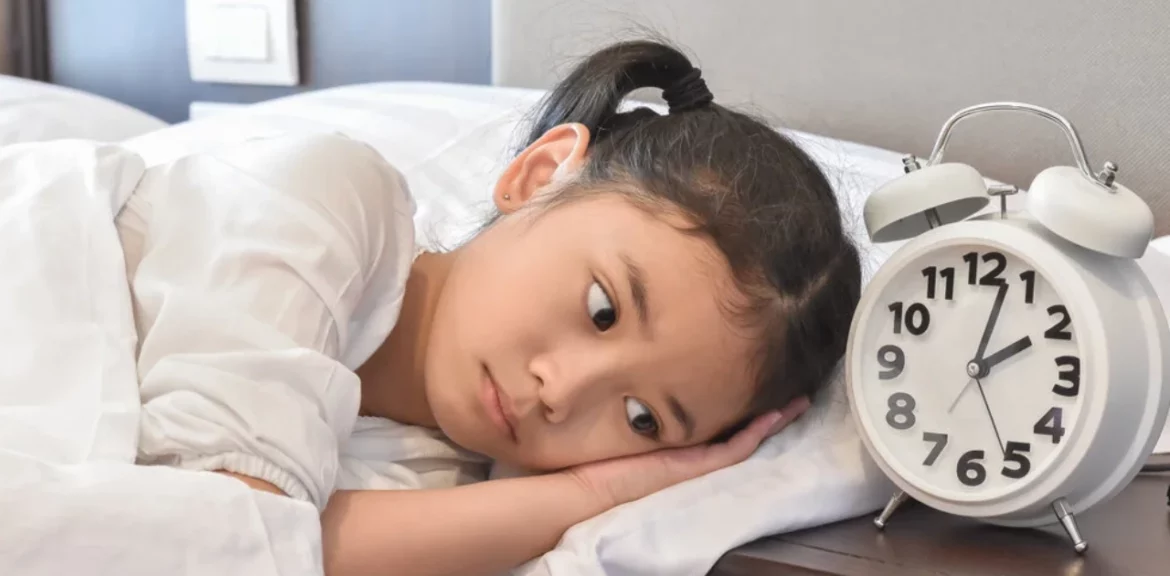
Insomnia in children refers to difficulty falling asleep or staying asleep for long enough, despite having appropriate sleep conditions. The child may lie awake in bed for long periods, take a long time to become drowsy, or wake very early and be unable to go back to sleep.
Common signs include:
- Bedtime is significantly delayed compared with peers of the same age.
- Strong resistance to going to bed and frequent excuses to delay bedtime.
- Restless tossing and turning in bed and complaints of being “unable to sleep.”
- Noticeable impact on mood, attention, and concentration during the day.
Insomnia is often linked with anxiety, stress, or irregular sleep habits. It may improve with changes to the sleep routine, but in some cases behavioral interventions are needed, especially if it has persisted for a long time or is affecting the child’s daytime functioning.
Frequent Night Awakenings
Waking up multiple times during the night is one of the most common sleep problems in young children. A child may wake several times crying, calling for a parent, or asking for a bottle or water, then struggle to settle back to sleep alone.
Causes vary by age and can include:
- Dependence on a parent’s presence, rocking, or feeding to fall asleep.
- Separation anxiety or recent changes in daily routines.
- Minor health issues such as nasal congestion, teething pain, or reflux.
When night awakenings are frequent and persist for months, they can be exhausting for both the child and the family and may reduce the child’s total sleep time. In these situations, a consistent bedtime routine and gradually teaching the child to self-soothe and fall back asleep independently can help, alongside ruling out any medical causes with a doctor.
Nightmares
Nightmares are distressing dreams that occur during rapid eye movement (REM) sleep. The child wakes up frightened or crying but is awake and responsive, can talk with others, and often remembers the dream in detail the next morning.
Nightmares are more likely during periods of:
- Emotional stress or significant life changes (for example, moving to a new school).
- Exposure to frightening or age-inappropriate media content before bed.
- Illness or fever in some children.
Nightmares are usually a temporary symptom and often improve with simple changes, such as:
- Avoiding scary stories, videos, or games in the evening.
- Calmly reassuring and comforting the child after a nightmare.
- Maintaining a soothing bedtime routine and a sense of safety at bedtime.
If nightmares become very frequent or start to make the child fear going to bed, it is worth discussing them with a specialist to explore underlying stress or anxiety.
Night Terrors
Night terrors are different from nightmares. They typically occur in the first third of the night during deep sleep. The child suddenly sits up, screams, or cries with signs of intense fear, such as rapid heartbeat and sweating. However, the child is not fully aware of their surroundings, responds poorly to attempts at reassurance, and usually does not remember the event in the morning.
Typical features include:
- Episodes lasting several minutes, followed by a sudden return to sleep.
- Difficulty calming the child with words or touch during the event.
- Episodes often occurring at roughly the same time each night.
Although night terrors can be very distressing for parents to witness, they are usually not dangerous and often fade with age. Making sure the child has a regular sleep schedule and is not overtired can help reduce their frequency. If the episodes are very intense, occur nearly every night, or put the child at risk of injury, it is important to consult a pediatrician or a pediatric sleep specialist.
Sleepwalking
Sleepwalking occurs when a child partially wakes from deep sleep and begins to sit up, stand, walk, or perform simple actions while still technically asleep. It typically happens in the first half of the night. The child may have their eyes open and seem awake, but they are not truly aware of what they are doing and usually have no memory of the event the next day.
Sleepwalking episodes can range from:
- Sitting up in bed and mumbling or speaking incomprehensibly.
- Walking around the bedroom or house.
- Automatic behaviors such as opening doors or looking for objects.
The main concern with sleepwalking is the risk of injury, such as bumping into furniture, going outside, or falling down stairs. To keep the child safe, it is important to:
- Make the environment safer by closing doors and windows and keeping sharp or dangerous objects out of reach.
- Avoid abruptly shaking or startling the child awake; instead gently guide them back to bed.
- Seek medical advice if episodes are frequent, severe, or occur alongside other sleep problems.
Obstructive Sleep Apnea
Obstructive sleep apnea is a sleep-related breathing disorder in which a child’s breathing repeatedly stops or becomes very shallow during sleep because of a partial or complete blockage of the upper airway. Common causes include enlarged tonsils and adenoids, as well as structural issues with the jaw or nose.
Signs parents may notice include:
- Loud, frequent snoring.
- Pauses in breathing for a few seconds, followed by a gasp, snort, or sudden movement.
- Habitual mouth-breathing and heavy night sweating.
- Restless, uncomfortable sleep with frequent position changes.
- Daytime sleepiness, irritability, or poor concentration.
Obstructive sleep apnea is more than just snoring. If left untreated, it can affect growth, attention, behavior, and overall health. Children with suspected sleep apnea should be evaluated by a pediatrician, ear, nose and throat (ENT) specialist, or sleep medicine specialist to determine the underlying cause and discuss suitable treatment options.
What Are the Symptoms of Sleep Disorders in Children?
Symptoms of sleep disorders in children vary depending on the type of problem and the child’s age. In general, they include nighttime signs that parents can observe while the child is asleep and daytime signs that show up in the child’s behavior, mood, and performance.
Common nighttime signs include:
- Difficulty falling asleep or taking a long time to fall asleep.
- Frequent night awakenings or crying without an obvious cause.
- Repeated nightmares, night terrors, or episodes of screaming during sleep.
- Excessive movement during sleep, such as constant tossing and turning or sleepwalking.
- Loud snoring or repeated pauses in breathing for a few seconds during the night.
- Bedwetting at night at an age when bladder control would usually be expected, or after a period of staying dry.
Daytime symptoms that may point to sleep disorders in children include:
- Excessive sleepiness during the day or a tendency to fall asleep at unusual times.
- Difficulty concentrating, short attention span, and declining school performance.
- Irritability, frequent temper outbursts, or unexplained bouts of crying.
- Hyperactivity or impulsive behavior in some children instead of obvious sleepiness.
- Frequent complaints of headaches, general fatigue, or feeling unwell without a clear medical cause.
Having one of these symptoms occasionally does not necessarily mean a child has a sleep disorder. However, when symptoms persist, worsen, or occur together over a long period, they should be discussed with a healthcare professional.
How Do Sleep Disorders Affect a Child’s Development?
Sleep disorders in children are not just about restless nights. Poor-quality sleep can directly affect a child’s physical, cognitive, and emotional development, because deep, regular sleep is when the brain and body carry out essential repair and growth processes.
1. Impact on Physical Growth
During deep sleep, children’s bodies release most of their growth hormone. Too little total sleep or very fragmented sleep can interfere with the adequate release of this hormone, which may influence:
- The rate of increase in height and weight.
- Muscle and bone strength.
- Immune system function and resistance to recurrent infections.
2. Impact on Cognitive Development and Learning
Memory, attention, and the brain’s ability to organize information all rely on sufficient, regular sleep. Sleep disorders may lead to:
- Trouble concentrating and paying attention in class.
- Slower understanding and processing of new information.
- Fluctuating or declining academic performance.
- Increased forgetfulness and difficulty recalling previously learned material.
3. Impact on Behavior and Emotional Wellbeing
Children who do not sleep well are often more sensitive and easily stressed. They may show:
- Frequent irritability, anger, or emotional outbursts.
- Hyperactivity, or conversely, low energy and little enthusiasm.
- Difficulty regulating emotions and getting along with others.
- Increased risk over time of anxiety or low mood.

4. Long-Term Effects on General Health
If sleep disorders in children continue without being addressed, they may be associated over time with:
- Higher risk of weight gain and obesity due to disrupted appetite-regulating hormones.
- Greater vulnerability to anxiety disorders and mood problems in adolescence.
- Persistent difficulties managing energy levels and daily activity.
The degree of impact varies from child to child, depending on how severe the sleep problem is and how long it has been present. Ongoing changes in growth, behavior, or school performance should be monitored and discussed with a specialist when needed.
When Are Sleep Disorders in Children a Concern?
Not every sleep difficulty is a cause for alarm. Many children go through short phases of night waking or bedtime resistance that improve with time and better routines. However, there are certain red flags that suggest a sleep problem has gone beyond what is typical and needs medical or behavioral assessment.
Sleep disorders in children become more concerning when:
- The problem persists almost every night for more than 3–4 weeks.
- The child has marked daytime sleepiness or difficulty concentrating and learning.
- There are clear mood changes, such as increased irritability, unusually intense tantrums, or social withdrawal.
- The child’s appetite or weight changes noticeably (either up or down).
- Growth or academic progress appears delayed compared with peers.
A prompt specialist opinion is especially important if any of the following are present:
- Loud, persistent snoring; pauses in breathing; or signs that the child seems to be choking or struggling to breathe during sleep.
- Very frequent night terrors or sleepwalking episodes that pose a risk of falling or injury.
- Recurrent nightmares that cause intense fear of sleep or complete refusal to go to bed.
- Repeated leg pain, or uncomfortable sensations in the legs that make the child constantly move them at night.
- New onset of bedwetting at night after a long period of being dry.
- Unusual behaviors during sleep such as repeated talking, violent movements, or severe teeth grinding that affects daily life.
Whenever sleep disorders in children are accompanied by noticeable effects on health, school, behavior, or breathing, it is better not to wait. Consulting a pediatrician or pediatric sleep specialist can help clarify the diagnosis and guide an appropriate plan, bearing in mind that every child is unique and management should be tailored individually.
How Are Sleep Disorders in Children Treated?
Treatment for sleep disorders in children depends on the underlying cause, the nature of the symptoms, and the child’s age. In many cases, sleep improves significantly with adjustments to daily routines and behavioral changes. Sometimes, specialist input or treatment of a specific medical condition is required. Effective care is usually gradual, consistent, and based on cooperation between the family and the healthcare team.
Improving the Sleep Routine
A predictable bedtime routine is the foundation of managing sleep disorders in children. It helps the child’s brain recognize that it is time to slow down and prepare for sleep.
Steps that can help include:
- Setting a regular bedtime and wake time throughout the week as much as possible.
- Creating a calm wind-down period 20–40 minutes before bed, such as reading a story or taking a warm bath.
- Keeping the bed associated mainly with sleep, not with games or television.
It is also helpful to avoid:
- Stimulating activities just before bed (rough play, fast-paced video games).
- Very heavy meals immediately before sleep.
Sticking with the same routine for several weeks is important so the child has time to adjust and gradual improvements can appear. The timeframe for change varies between children.
Adjusting Daily Habits
What happens during the day has a direct impact on how well a child sleeps at night. Well-structured days can reduce insomnia and night awakenings.
Helpful adjustments include:
- Encouraging regular exposure to natural daylight, especially in the morning, to support the body clock.
- Providing age-appropriate physical activity during the day while avoiding intense exercise in the few hours before bedtime.
- Limiting screen time (phones, tablets, TV), particularly during the two hours before bed.
- Avoiding foods and drinks containing caffeine (such as certain soft drinks or tea) in the evening.
- Scheduling meals so that dinner is light and finished at least two hours before bedtime.
Maintaining a comfortable sleep environment with dim lighting, a suitable room temperature, and minimal noise can also increase a child’s sense of security and ability to sleep deeply.
Behavioral Therapy
Behavioral approaches are among the most effective ways to manage many childhood sleep problems, particularly insomnia, recurrent nightmares, and difficulty settling to sleep.
Common behavioral strategies include:
- Teaching independent sleep skills: helping the child go to bed while still awake and learn to fall asleep without always relying on rocking, feeding, or screens.
- Positive reinforcement: praising and rewarding the child for desired behaviors, such as following the bedtime routine or staying in bed all night.
- Simple relaxation techniques: age-appropriate methods such as slow deep breathing or guided, calming imagery.
- Gradual exposure to nighttime fears: useful for children who are afraid of the dark or sleeping alone, using small, stepwise changes with ongoing support from parents.
For more complex situations or when home strategies do not lead to sufficient improvement, referral to a child psychologist or pediatric sleep specialist can be helpful to design a detailed behavioral plan and monitor progress.
Treating Underlying Medical Conditions
Some sleep disorders in children are closely linked to medical issues that require specific diagnosis and treatment, such as obstructive sleep apnea, enlarged tonsils, nasal allergies, nighttime asthma, or reflux.
In these cases:
- The doctor will take a detailed history and perform a thorough physical examination, and may request additional tests or an overnight sleep study (polysomnography) when indicated.
- Treatment focuses on the underlying condition, for example:
- Managing allergies or nasal congestion to improve nighttime breathing.
- Evaluating enlarged tonsils and adenoids; surgery may be suggested for some children after careful assessment.
- Adjusting medications for asthma or reflux if symptoms are worse at night.
- Medications that induce sleep are rarely used in children and, if ever considered, are prescribed only by a specialist, for a limited time, and after careful weighing of potential benefits and risks.
Treatment is always individualized, depending on the child’s overall health and the severity of the sleep issue. Ongoing communication with a pediatrician or sleep medicine specialist is essential to choose the most appropriate plan and track improvement.
Practical Tips to Help Your Child Sleep Better
Simple lifestyle changes and a structured daily routine can significantly reduce sleep disorders in children and make sleep deeper and more stable. These strategies are straightforward to implement but require consistency and patience while your child adjusts.
Keep a Consistent Bedtime
Having a regular time for going to bed and waking up helps regulate your child’s internal body clock, making it easier to fall asleep and wake up naturally.
Try to:
- Choose a bedtime that matches your child’s age and sleep needs.
- Maintain a similar wake-up time even on weekends as much as possible.
- Begin winding down activities 30–60 minutes before bedtime.
- Avoid letting bedtime drift too late, as overtired children may have a harder, not easier, time falling asleep.
Over time, your child’s brain will associate this schedule with sleep, and their body will start to feel sleepy naturally at that time.
Limit Screen Time
The blue light emitted by phones, tablets, and TVs can interfere with melatonin, the hormone that helps regulate sleep, and increases alertness in the brain.
To support better sleep:
- Avoid screens for at least one hour before bedtime.
- Do not allow scary, intense, or fast-paced content in the evening.
- Keep TVs and digital devices out of the bedroom whenever possible.
- Encourage quiet, screen-free activities before bed, such as reading, drawing, or calm conversation.
Reducing evening screen exposure makes it easier for children to transition from playtime to bedtime.
Excessive screen use may also affect other areas of childhood development, particularly when it replaces direct interaction and communication. Parents may also want to learn more about the relationship between mobile phone use and speech delay in children.
Create a Calm Sleep Environment
The child’s surroundings play an important role in how easily they fall asleep and stay asleep through the night.
Try to ensure that:
- The room is dark, or has a soft night light if your child is afraid of the dark.
- The temperature is comfortable — not too hot and not too cold.
- The bed is comfortable and the child is wearing suitable cotton sleepwear for the season.
- Noise is kept to a minimum; some families find gentle white noise from a fan or similar source helpful if outside sounds are disturbing.
Ideally, the bedroom should mainly be used for sleep rather than for screens and active play, so the child’s brain connects this space with rest and relaxation.
Encourage Regular Physical Activity
Daily movement helps children use up excess energy and can improve sleep quality at night.
You can:
- Encourage outdoor play, running, biking, or any age-appropriate physical activity your child enjoys.
- Avoid vigorous exercise right before bedtime; schedule more active play for earlier in the day.
- Limit long periods of sitting in front of screens and replace some of that time with active games.
The goal is a reasonable amount of daily activity suited to your child’s age and health, not exhausting them.
Avoid Stimulants
Some foods and drinks contain stimulants that can interfere with a child’s ability to fall asleep, sometimes in ways that are easy to overlook.
Try to:
- Reduce or avoid drinks containing caffeine (such as tea, coffee, some soft drinks, and energy drinks), especially after midday.
- Monitor chocolate intake in the evening, as it can be stimulating for some children.
- Avoid very heavy, fatty meals right before bedtime, which may cause discomfort and disrupt sleep.
- If your child is hungry before bed, offer a light, healthy snack such as yogurt, a piece of fruit, or a small portion of cheese with bread.
Each child responds differently to these foods and drinks, so observe what seems to affect your child’s sleep and adjust accordingly.
Establish a Relaxing Bedtime Routine
A bedtime routine is a series of calm, predictable steps repeated each night that signals to your child’s brain that it is time to sleep, helping them feel secure and relaxed.
A simple routine might include:
- A short warm bath if your child finds it soothing.
- Brushing teeth and putting on pajamas.
- Dimmed lights in the bedroom.
- Reading a quiet story or telling a gentle bedtime tale in a soft voice.
- A brief cuddle, words of reassurance, or a comforting bedtime phrase or prayer.
The key is for the routine to be:
- Fairly consistent from night to night.
- Short, simple, and not overly stimulating.
- Comforting for the child rather than a source of stress or fear.
Repeating the same sequence every evening can gradually ease many sleep disorders in children by creating a strong sense of safety and predictability around bedtime.
When Should You See a Specialist?
It is important to seek advice from your child’s doctor or a sleep specialist when sleep problems clearly affect your child’s health, development, or daily behavior, or when the family feels they can no longer manage the situation at home.
A specialist assessment is recommended if you notice any of the following:
- Persistent difficulty sleeping (insomnia, frequent night awakenings, bedtime refusal) lasting more than 3–4 weeks despite efforts to improve routines and sleep habits.
- Loud, recurrent snoring; pauses in breathing; or gasping during sleep, especially if combined with significant daytime sleepiness or morning headaches.
- Very frequent nightmares or severe night terrors that lead to falls, injuries, or intense fear of sleep.
- Sleepwalking or other unusual nighttime behaviors (such as opening doors, approaching windows, or accessing medications or food) that could put the child at risk.
- Marked daytime sleepiness, fatigue, difficulty concentrating, falling grades, or increased irritability linked to lack of sleep.
- Recurrent pain that disrupts sleep (in the legs, head, or abdomen), severe itching, or troublesome nighttime coughing.
- A pattern of sleep that is very different from that of peers of the same age, or sleep problems that appear suddenly without a clear reason.
- Significant psychological stress, such as intense separation anxiety, major life events (divorce, bereavement, sudden relocation), or other emotional difficulties that started around the same time as the sleep disturbance.
- Any concern that sleep problems may be affecting your child’s physical, emotional, or social development.
In these situations, a specialist can help clarify the diagnosis, identify contributing factors, and develop a personalized treatment plan based on your child’s age and needs, with regular follow-up and adjustments as necessary.
If sleep difficulties are accompanied by persistent changes in mood, behavior, social interaction, or school performance, it may also be helpful to understand when a child needs a psychological assessment to identify any underlying emotional or behavioral concerns.
Specialized Assessment for Children’s Sleep Problems at Waad Center for Health and Wellbeing
At Waad Center for Health and Wellbeing, particular attention is given to sleep disorders in children because of their impact on emotional, cognitive, and physical development. The center offers comprehensive assessment of pediatric sleep problems through a multidisciplinary team of pediatricians, child psychiatrists, and behavioral therapists.
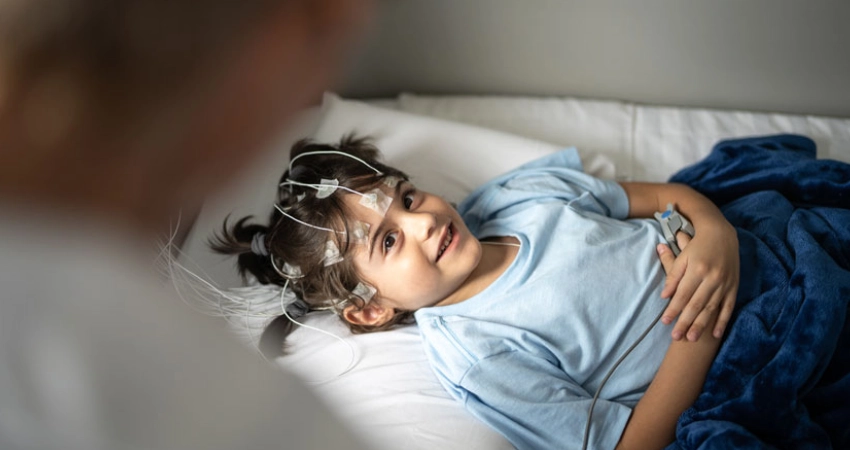
The assessment usually begins with a detailed sleep history from the parents, a review of the child’s daily routines, and discussion of any medical conditions or medications. This is followed by a general physical examination to look for possible physical causes such as respiratory allergies or enlarged tonsils. In some cases, parents may be asked to keep a sleep diary, and an overnight sleep study (polysomnography) may be recommended if needed.
Services at Waad Center typically include:
- Accurate diagnosis of the type of sleep disorder affecting the child.
- An individualized treatment plan tailored to the child’s age and family environment.
- Guidance for parents on practical behavioral strategies to implement at home.
- Regular follow-up visits to review progress and adjust the plan as the child’s sleep improves.
The goal is to help your child achieve deeper, more regular sleep in a safe, supportive environment for the whole family. Each treatment plan is designed specifically for the individual child and their needs. If you are worried about your child’s sleep, booking a professional assessment can be a calm and constructive first step toward a solution.