


What Is an Anxiety Disorder?
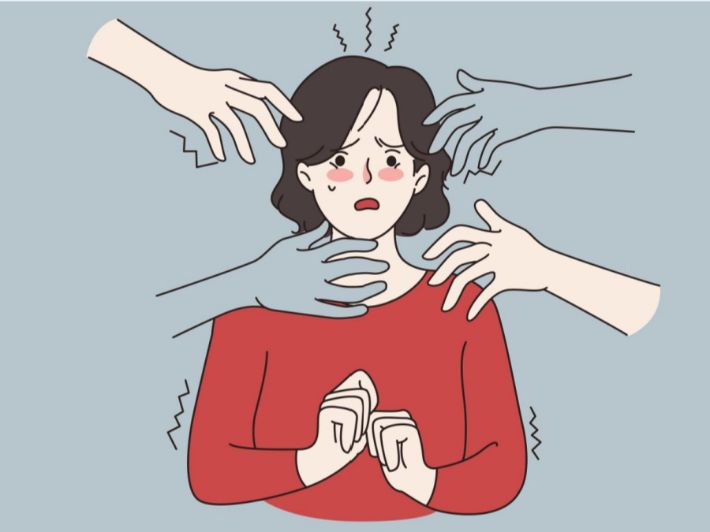
An anxiety disorder is a chronic mental health condition in which a person experiences persistent, excessive fear, tension, or worry that is out of proportion to everyday situations.
It is one of the most common psychiatric disorders and differs from normal, occasional anxiety that everyone feels in stressful situations, because it lasts for long periods and interferes with the person’s ability to work, study, and maintain social relationships.
Anxiety disorders are often accompanied by physical symptoms such as heart palpitations, shortness of breath, sweating, trembling, and sleep disturbances, which can sometimes lead the person to believe they have a physical illness rather than a psychological one.
There are several forms of anxiety disorders, including generalized anxiety disorder (GAD), panic disorder, social anxiety disorder (social phobia), and specific phobias. Each has its own clinical features, but they all share a persistent sense of insecurity, hypervigilance, and anticipatory fear.
Understanding what an anxiety disorder is helps with early recognition of symptoms and seeking professional help, which increases the chances of effective treatment and improves quality of life.
Anxiety Disorder Symptoms You Need to Know
Anxiety disorder symptoms are a combination of physical and psychological signs that persist over time and interfere with a person’s daily life.
An individual may experience constant tension and an excessive or irrational fear of ordinary situations, along with difficulty stopping the worry or controlling intrusive negative thoughts.
Common symptoms include a racing or pounding heartbeat (palpitations), shortness of breath, muscle tension, sweating, trembling or shaking, and a general sense of physical instability.
Anxiety disorders are also frequently associated with sleep disturbances, such as difficulty falling asleep, frequent awakenings during the night, or non-restorative sleep, in addition to poor concentration, mental distractibility, and a persistent sense of fatigue.
Some people experience gastrointestinal symptoms linked to stress, such as stomach pain, nausea, or diarrhea.
When these symptoms last for a prolonged period and begin to affect work, academic performance, or social relationships, it becomes essential to consult a mental health professional to assess the possibility of an anxiety disorder and develop an appropriate treatment plan.
Causes of Anxiety Disorders
Anxiety disorders arise from an interplay of psychological, biological, genetic, and environmental factors rather than a single, specific cause.
A genetic predisposition plays a key role: individuals with a family history of anxiety disorders or depression are at higher risk of developing anxiety themselves.
Imbalances in certain brain neurotransmitters—such as serotonin and norepinephrine—also contribute by heightening the sensitivity of the nervous system to fear and stress.
Chronic life stressors, including work-related pressures, family conflicts, financial difficulties, or traumatic experiences such as accidents or the loss of a loved one, are among the main triggers for the onset or worsening of anxiety symptoms.
Certain personality traits—such as a generally anxious temperament, perfectionism, and low self-confidence—can increase vulnerability to recurrent anxiety episodes and excessive worrying.
Additionally, some chronic medical conditions, thyroid disorders, and the use of caffeine, stimulants, or certain medications can exacerbate anxiety or precipitate it in individuals who are already predisposed.
Comorbid Conditions and Complications of Untreated Anxiety
When anxiety is left untreated, it doesn’t remain just a passing feeling of stress; it can evolve into a chronic condition that is closely linked with other mental and physical disorders and can lead to serious long‑term complications.
Anxiety disorders commonly co-occur with depression, sleep disorders, panic disorder, obsessive–compulsive disorder (OCD), post‑traumatic stress disorder (PTSD), as well as substance use disorders involving alcohol, prescription medications, or illicit drugs, often as an unhealthy form of self-medication to relieve anxiety symptoms.
Persistent anxiety is also associated with an increased risk of cardiovascular disease and hypertension, irritable bowel syndrome (IBS), chronic headaches and migraine, impaired immune function, and the worsening of chronic illnesses such as diabetes and asthma.
On a functional and social level, untreated anxiety can lead to difficulty concentrating and making decisions, reduced academic or occupational performance, increased absenteeism from work, and significant strain on family and marital relationships.
In more severe cases, these comorbidities and complications of anxiety can contribute to social withdrawal, job loss, and a higher risk of suicidal thoughts and behaviors. This underlines the importance of early diagnosis and seeking professional help to prevent these adverse outcomes and improve overall quality of life.
Types of Anxiety Disorders — Brief, Search‑Oriented Overview
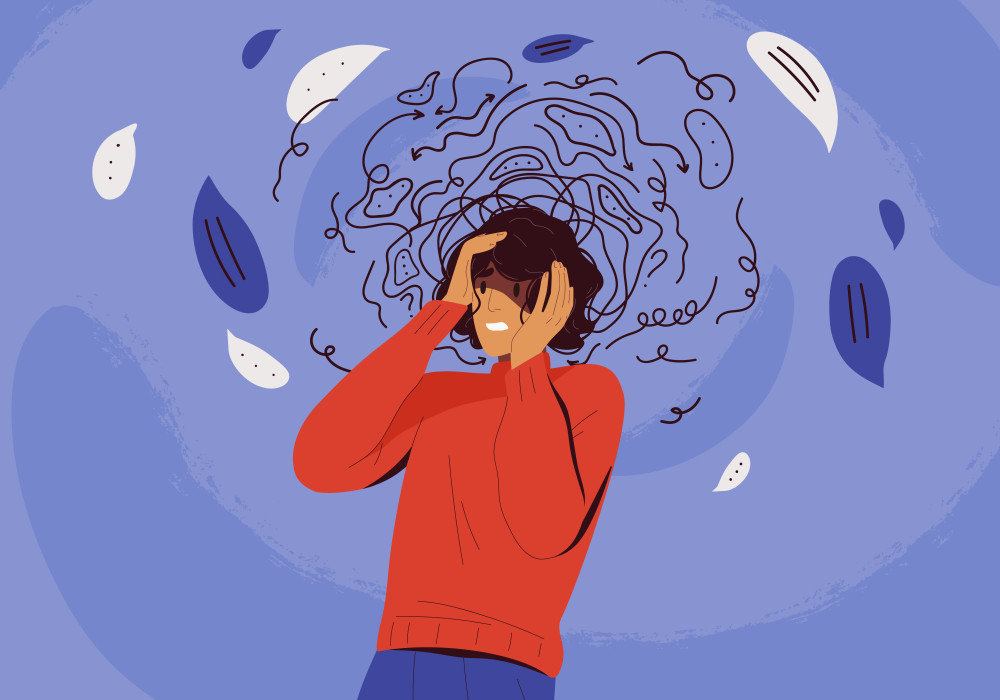
Anxiety disorders encompass a group of mental health conditions that may overlap in symptoms but differ in underlying causes, the nature of the anxiety itself, and the most appropriate treatment approach.
Generalized Anxiety Disorder (GAD) is characterized by excessive, persistent worry about everyday matters such as work, health, and relationships. People with GAD struggle to control their worrying thoughts and often feel chronically tense, on edge, and mentally and physically exhausted.
Panic Disorder involves sudden, intense episodes of fear known as panic attacks. During these attacks, individuals may experience rapid heartbeat, shortness of breath, chest discomfort, and an overwhelming fear of losing control or dying. Ongoing anxiety about having another attack is also common.
Social Anxiety Disorder (Social Phobia) is marked by intense fear of social situations or of being negatively judged by others. This can lead to avoidance of social gatherings, public speaking, or even everyday interactions, in order to escape feelings of embarrassment, shame, or criticism.
Specific Phobia refers to a pronounced, irrational fear of a particular object or situation—such as flying, heights, or certain animals and insects. The fear is out of proportion to the actual danger and often leads to marked avoidance that can interfere with daily functioning.
Separation Anxiety Disorder is more commonly seen in children but can occur in adults as well. It is defined by excessive fear or distress related to being away from a person or place that feels safe, and can be accompanied by physical symptoms (such as stomach aches or headaches) and marked psychological distress at the time of separation.
Post-Traumatic Stress Disorder (PTSD) develops after exposure to a traumatic event such as an accident, war, or physical or sexual assault. Symptoms include intrusive memories and flashbacks, trauma-related nightmares, avoidance of reminders of the event, heightened startle response, irritability, and sleep disturbance.
Understanding the different types of anxiety disorders allows for a more precise interpretation of symptoms and supports individuals in seeking an accurate diagnosis and appropriate treatment from a physician or mental health professional—exactly what many people are looking for when they search online for information about anxiety, its symptoms, and treatment options.
How Is Anxiety Disorder Diagnosed?
Anxiety disorders are diagnosed by a psychiatrist or qualified mental health professional through a structured process designed to distinguish normal anxiety from a clinical anxiety disorder.
The assessment begins with a detailed medical and psychological history, covering emotional and physical symptoms, how long they’ve been present, how severe they are, and how much they interfere with daily life, work, and relationships.
The clinician asks about sleep patterns, appetite, concentration, avoidance behaviors, and any history of panic attacks, and also reviews any family history of mental health conditions.
Standardized diagnostic interviews and validated scales or questionnaires may be used to assess the severity of anxiety and to identify the specific type of anxiety disorder, such as Generalized Anxiety Disorder (GAD), Panic Disorder, or Social Anxiety Disorder (Social Phobia).
In some cases, the doctor may request laboratory tests or a general physical examination to rule out medical conditions that can mimic anxiety symptoms, such as thyroid disorders or certain vitamin deficiencies.
Ultimately, the diagnosis is based on internationally recognized criteria such as those in the DSM-5 (Diagnostic and Statistical Manual of Mental Disorders, Fifth Edition), which specify the number of symptoms, their duration, and their impact on daily functioning before confirming an anxiety disorder and formulating an appropriate treatment plan.
When should you see a doctor or seek urgent help?
In anxiety disorders, you should consult a doctor when symptoms become persistent or severe enough to interfere with daily life—for example, when you struggle to concentrate at work or school, start avoiding social situations, or suffer from ongoing insomnia and can’t get sufficient sleep.
If you notice that anxiety or panic attacks are recurring, or you experience intense, unexplained fear, constant tension, and physical symptoms such as heart palpitations, shortness of breath, chest pain, dizziness, or gastrointestinal discomfort, it is important to book an appointment with a psychiatrist or mental health professional to assess for an anxiety disorder and develop an appropriate treatment plan.
You should seek emergency help immediately (go to the emergency department or call emergency medical services) if anxiety is accompanied by thoughts of self-harm or suicide, or if you experience severe shortness of breath, sudden chest pain, or a strong feeling that something catastrophic is about to happen, as these symptoms may indicate a severe panic attack or a serious medical condition requiring urgent intervention.
Early intervention in anxiety disorders helps bring symptoms under control more quickly and reduces complications such as depression, substance misuse, and chronic sleep disturbances. Therefore, do not hesitate to seek professional help if you suspect that your anxiety is becoming unmanageable.
Self‑Care and Everyday Anxiety Management Techniques
Self‑care is a core component of treating anxiety disorders. It helps calm the nervous system and can reduce the frequency and intensity of anxiety episodes over time.
Start by establishing a consistent daily routine for going to bed and waking up. Quality sleep enhances the brain’s capacity to cope with psychological stress and can significantly ease anxiety.
Practice deep‑breathing exercises, such as inhaling slowly through the nose for 4 seconds, holding your breath for 2 seconds, then exhaling gently through the mouth for 6 seconds. Repeat this several times whenever you feel tense or overwhelmed.
Regular physical activity—like brisk walking or stretching—stimulates the release of neurochemicals that promote relaxation and improve mood.
Try incorporating mindfulness techniques by focusing on the present moment—for example, paying attention to your breathing and senses—instead of getting caught up in negative thoughts or worrying about the future.
Journaling can also be helpful. Writing down your worries and thoughts gives you a structured way to process them, understand what triggers your anxiety, and respond more consciously.
Aim to cut down on caffeine, sugar, and smoking, as they can increase heart rate and exacerbate anxiety symptoms.
Don’t overlook social support. Talking with someone you trust or joining a support group can foster a sense of safety and reduce feelings of isolation.
Finally, if anxiety symptoms persist or interfere with your work, relationships, or sleep, it’s important to consult a physician or mental health professional. They can integrate these self‑care strategies into an evidence‑based treatment plan tailored to your needs.
The Family’s Role in Supporting a Person with an Anxiety Disorder

The family plays a central role in the recovery journey from anxiety disorders. When provided correctly, family support can ease symptom severity and improve how well the person responds to treatment.
When family members understand the nature of anxiety disorders—their causes, manifestations, and symptoms—they become better equipped to handle panic attacks and periods of intense stress without blaming or criticizing. This kind of response helps the person feel safe, accepted, and emotionally contained.
Family can offer support by listening with empathy, avoiding any dismissal or belittling of the person’s feelings, and not pressuring them to simply “get over it.” Instead, they can encourage regular attendance at psychotherapy sessions and adherence to prescribed medications, such as anxiolytics or antidepressants, as directed by the treating physician.
Creating a calm, structured home environment and promoting healthy routines—adequate sleep, regular physical activity, and the practice of relaxation techniques (like breathing exercises, progressive muscle relaxation, or mindfulness)—can significantly reduce anxiety symptoms.
In more severe cases, having a family member accompany the person to appointments with the psychiatrist or psychotherapist can be crucial in building trust and maintaining treatment adherence. This ongoing support increases the chances of gaining better control over the anxiety disorder and returning to a more stable, balanced life.
Preventing and Reducing Recurrence of Anxiety Attacks
Preventing anxiety attacks and reducing how often they recur starts with identifying and recording your own personal triggers, such as stressful social situations, lack of sleep, or work and family pressures, then working with a mental health professional to learn how to respond to these triggers early on.
Relaxation techniques such as deep‑breathing exercises, progressive muscle relaxation, and mindfulness are among the most effective tools for easing anxiety before it escalates into a full‑blown panic or anxiety episode.
Maintaining a healthy lifestyle plays a central role in preventing anxiety disorders. Getting sufficient, regular sleep, engaging in daily physical activity, following a balanced diet, and limiting caffeine, nicotine, and alcohol all help stabilize brain chemistry and reduce the likelihood of recurrent anxiety attacks.
Clinicians also recommend adhering to the prescribed treatment plan—whether it involves cognitive behavioral therapy (CBT), anti‑anxiety medications, or other interventions—and not stopping medication abruptly without consulting a physician, as sudden discontinuation can increase the risk of relapse and lead to more severe anxiety episodes.
It is also helpful to build a social support network of family, friends, or support groups, and to talk openly about feelings of anxiety instead of suppressing them. Learning stress‑management skills—such as time management, setting life priorities, and establishing healthy boundaries at work and in relationships—contributes in the long term to preventing recurrent anxiety attacks and improving overall quality of life.
Why Are Waad Centers Your Go-To Destination for Anxiety Disorder Treatment in Jeddah?
Waad Centers are among the leading specialized facilities for treating anxiety disorders in Jeddah, thanks to their use of modern, evidence-based treatment protocols. These protocols combine pharmacotherapy when indicated with psychotherapeutic approaches such as Cognitive Behavioral Therapy (CBT) to manage anxiety attacks, obsessive thoughts, and chronic stress.
At Waad Centers, a multidisciplinary team of consultant psychiatrists and licensed psychotherapists conducts thorough assessments and builds an individualized treatment plan that takes into account the severity and underlying causes of the anxiety disorder, as well as any co‑occurring conditions such as depression or panic disorder.
The centers offer a confidential, supportive, and safe therapeutic environment that helps clients feel at ease and stay committed to their treatment sessions. They also provide psychological support programs and training in relaxation techniques, sleep regulation, and day‑to‑day stress management.
In addition, Waad Centers in Jeddah offer psychoeducational services for family members to help them understand anxiety disorders and learn how to support their loved one at home, which significantly enhances treatment outcomes and reduces the risk of relapse.
With this integrated, expert-driven approach, Waad Centers are a trusted choice for anyone seeking effective, lasting treatment for anxiety disorders in Jeddah, with results that are both tangible and sustainable.
Get in touch with Waad Centers and book your anxiety treatment session today
If you’re experiencing symptoms of an anxiety disorder—such as constant fear, excessive worry or tension, difficulty concentrating, or recurrent panic attacks—don’t delay seeking help. Start your recovery journey today by contacting Waad Centers, which specialize in the treatment of anxiety disorders.
Waad Center brings together a select team of psychiatrists and licensed mental health professionals who use the latest evidence‑based treatment approaches, including Cognitive Behavioral Therapy (CBT) and medication management when clinically indicated, while designing an individualized treatment plan tailored to your condition and circumstances.
You can easily schedule an initial assessment session by phone or by completing the online booking form. Our team will contact you promptly to arrange an appointment that suits you, with full confidentiality.
The earlier you seek professional help, the greater your chances of gaining control over anxiety and restoring your psychological balance and daily quality of life.
Reaching out to Waad Centers is a practical and safe step for anyone seeking effective treatment for anxiety disorders under trusted medical supervision, in a therapeutic environment designed to support you at every stage of your treatment journey.