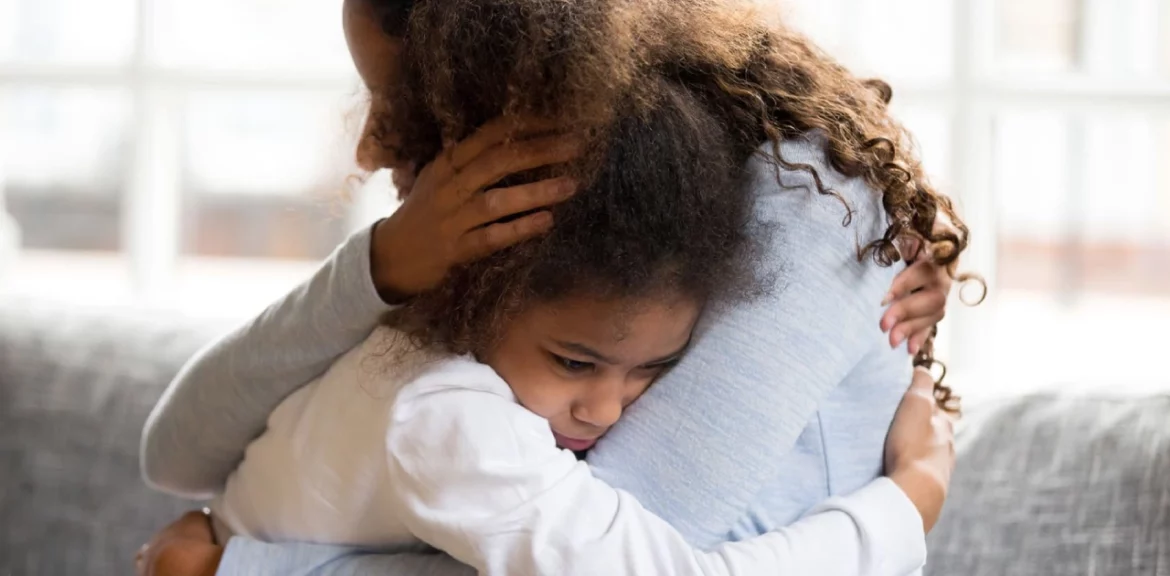

Does your child refuse to sleep alone? Feel intense fear about going to school? Or constantly worry about situations that seem minor to adults?
Fear and anxiety in children are often a normal part of growing up. As children develop, they encounter new experiences and challenges that can naturally trigger feelings of worry or fear. However, when these emotions become excessive, persistent, or begin to interfere with daily life, they may indicate a deeper issue that requires attention.
Understanding the difference between age-appropriate fears and problematic anxiety is essential for parents. Early recognition can help prevent emotional difficulties from affecting a child’s well-being, relationships, academic performance, and overall development.
Table of Contents
In this article, we explore the causes of anxiety and fear in children, the signs parents should watch for, and when it may be time to seek professional support.
What Is the Difference Between Normal Fear and Anxiety Disorders in Children?
Fear is a natural and healthy emotional response that helps children recognize and avoid potential dangers. Different fears tend to appear at different developmental stages. For example, infants may be startled by loud noises, while older children may fear the dark or temporary separation from their parents.
Anxiety disorders, however, go beyond normal developmental fears. They involve excessive, ongoing worry or fear that is disproportionate to the situation and begins to interfere with a child’s daily functioning.
Key differences include:
- Normal fears are temporary and age appropriate.
- Anxiety disorders persist for long periods and are difficult to control.
- Typical fears do not significantly disrupt daily activities.
- Anxiety disorders can lead to avoidance behaviors, social withdrawal, sleep disturbances, and emotional distress.
Is fear normal in children?
Yes. Fear is a normal part of emotional development. However, if fears become intense, persistent, or interfere with everyday activities, they may indicate an anxiety disorder that should be professionally evaluated.
Common Causes of Anxiety in Children
Childhood anxiety rarely develops from a single cause. In most cases, it results from a combination of genetic, psychological, and environmental factors that influence how a child responds to stress and uncertainty.
Some children may naturally be more sensitive to change and unfamiliar situations, while others may develop anxiety following challenging experiences or ongoing stressors.
Family and school environments also play an important role in shaping a child’s sense of security and emotional well-being.
Common causes include:
- Family history of anxiety disorders or other mental health conditions.
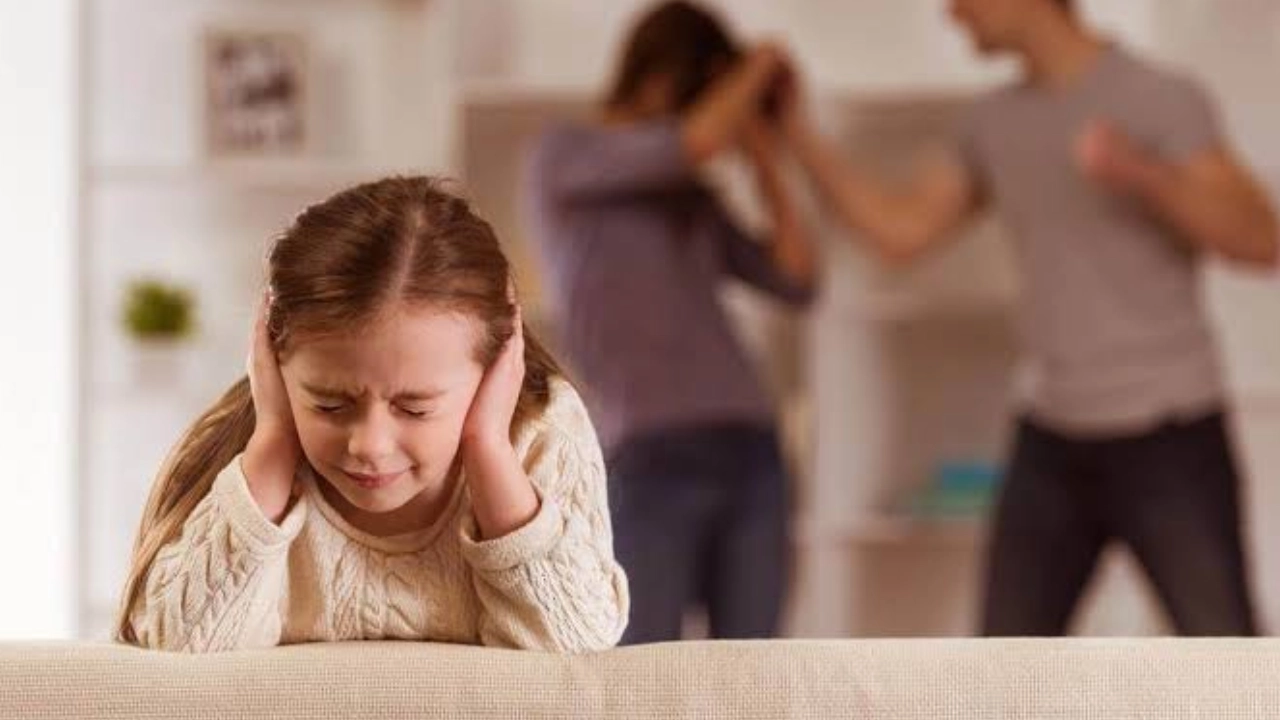
- Major life changes such as divorce, relocation, or changes in family structure.
- Bullying or difficulties at school.
- Academic pressure and fear of failure.
- Loss of a loved one, illness, or traumatic experiences.
- Overprotective or excessively strict parenting styles.
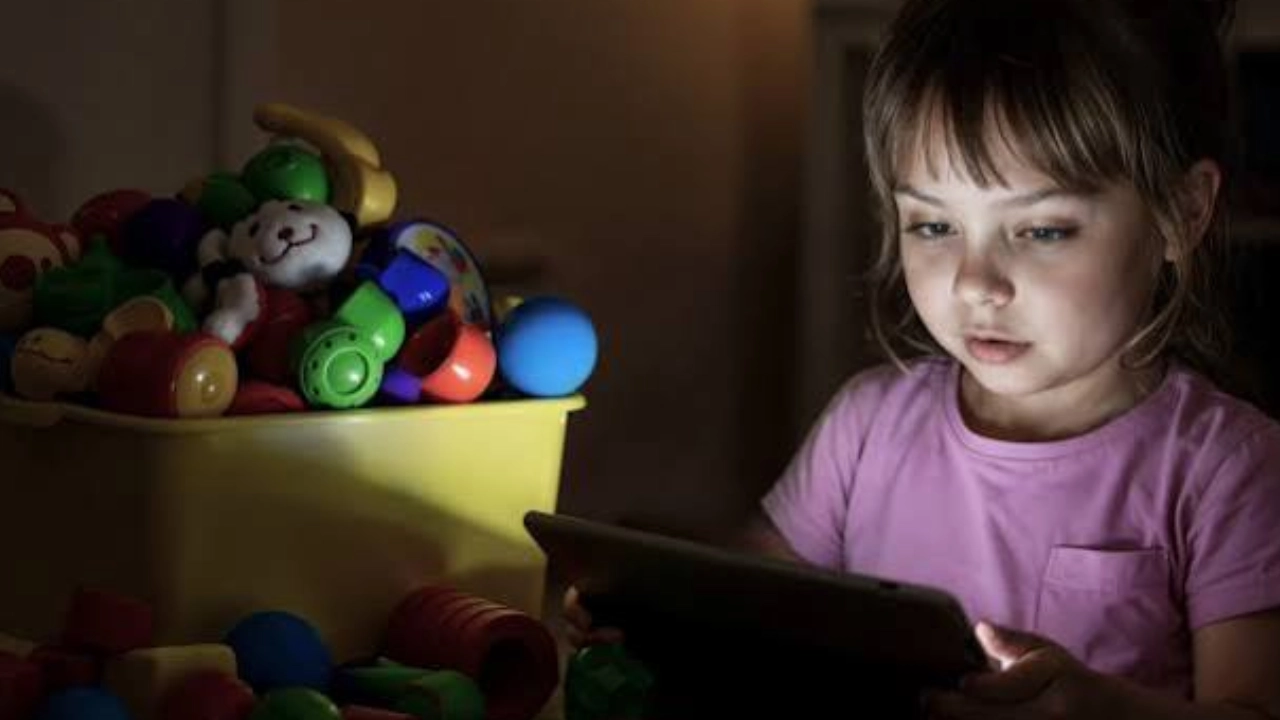
- Exposure to frightening or age-inappropriate content.
- A naturally sensitive or cautious temperament.
Understanding these factors can help parents identify potential triggers and provide the appropriate support early on.
What causes anxiety and fear in children?
Common causes include genetic predisposition, stressful life events, school-related challenges, family difficulties, and certain parenting approaches that may unintentionally increase a child’s sense of fear or insecurity.

Warning Signs of Anxiety Parents Should Watch For
Children do not always express anxiety the same way adults do. Instead of openly talking about their worries, they may communicate distress through changes in behavior, emotions, or physical symptoms.
Because of this, anxiety can sometimes be mistaken for a temporary phase or normal childhood behavior. Recognizing the signs early can help parents provide support before symptoms worsen.
Common signs of anxiety in children include:
- Excessive worrying about everyday situations.
- Constant reassurance-seeking.
- Difficulty separating from parents or caregivers.
- Fear of school or refusal to attend.
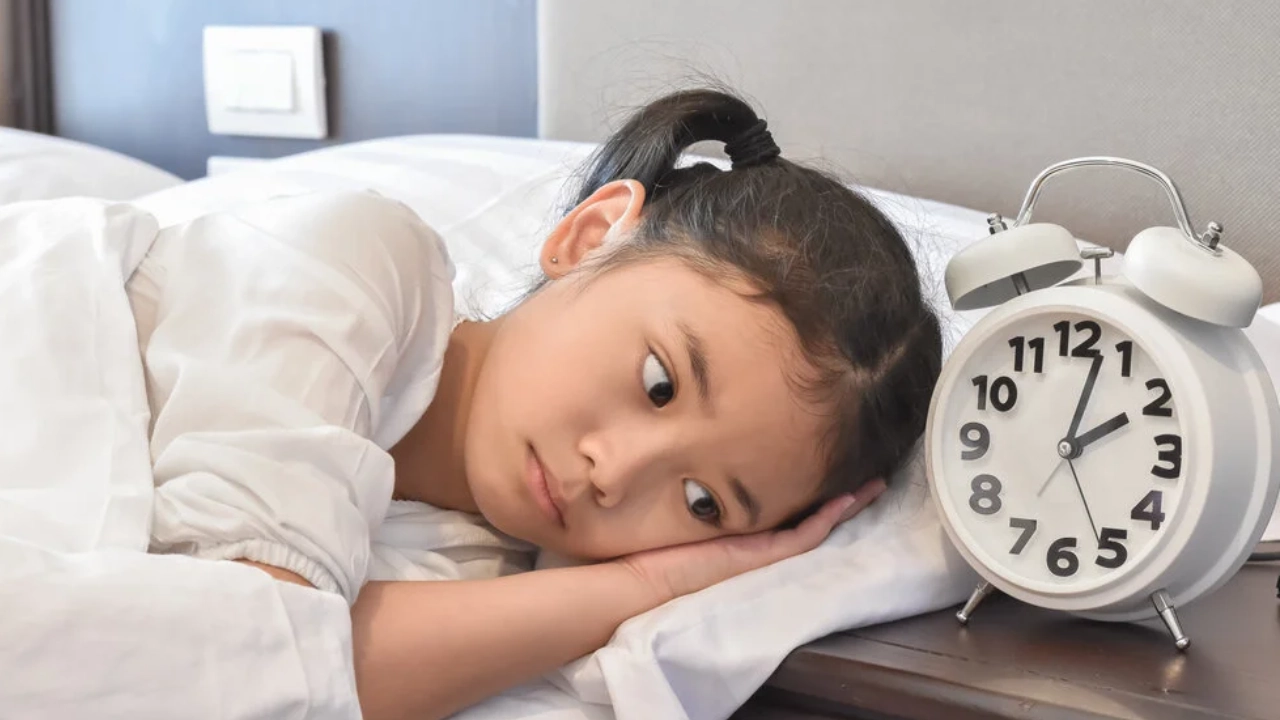
- Sleep problems and recurring nightmares.
- Irritability and emotional outbursts.
- Avoidance of social activities or peer interactions.
- Frequent physical complaints such as headaches or stomachaches without a medical cause.
- Low self-confidence and fear of making mistakes.
If these symptoms persist, increase in intensity, or begin affecting daily life, professional evaluation may be beneficial.
How can I tell if my child has anxiety?
If your child’s fears or worries last for an extended period and begin affecting sleep, school performance, relationships, or daily activities, it may be a sign of an anxiety disorder that requires professional assessment.
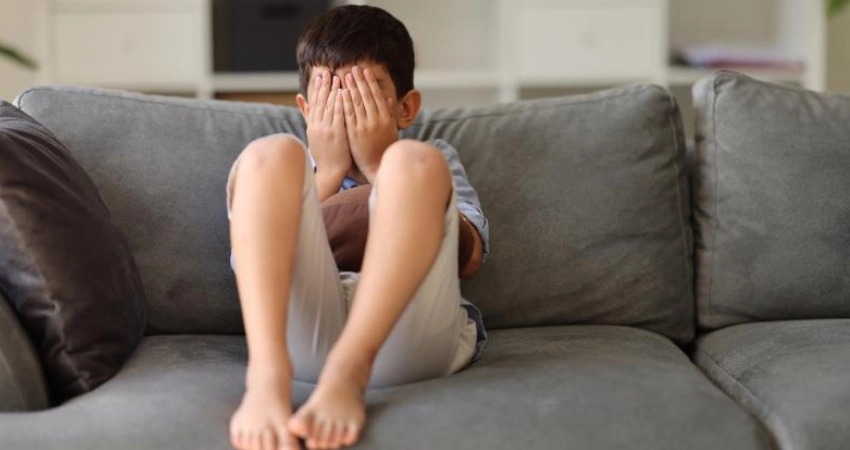
How Anxiety Affects School Performance, Sleep, and Behavior
The impact of anxiety extends far beyond occasional feelings of worry. When children experience ongoing anxiety, much of their mental energy becomes focused on potential threats and negative outcomes, making it harder to learn, concentrate, and engage with others.
Over time, anxiety can affect several areas of a child’s life.
Effects on Academic Performance
Children with anxiety may experience:
- Difficulty concentrating in class.
- Reduced participation in school activities.
- Excessive fear of exams or evaluations.
- Declining academic performance.
Effects on Sleep
Anxiety can contribute to:
- Difficulty falling asleep.
- Frequent nighttime awakenings.
- Disturbing dreams and nightmares.
Effects on Behavior
Behavioral changes may include:
- Increased irritability and frustration.
- Social withdrawal.
- Excessive dependence on parents.
- Reduced self-confidence.
Addressing anxiety early can help protect a child’s emotional well-being, social development, and academic success.
Can anxiety affect a child’s academic performance?
Yes. Anxiety can interfere with concentration, memory, attention, and classroom participation, which may negatively impact learning and academic achievement.
What Can Parents Do to Help a Child Cope with Anxiety?
Parents play a crucial role in helping children manage fear and anxiety. A supportive and understanding environment can make a significant difference in a child’s ability to cope with difficult emotions.
The goal is not to eliminate every source of fear, but to help children develop healthy coping skills and build resilience.
Helpful strategies include:
- Listening without dismissing or minimizing their feelings.
- Providing reassurance and a sense of safety.
- Encouraging open conversations about fears and worries.
- Avoiding criticism, ridicule, or comparisons with other children.
- Building confidence through positive encouragement.
- Supporting gradual exposure to feared situations.
- Maintaining consistent sleep routines and daily schedules.
- Limiting exposure to frightening or distressing content.
Collaboration between parents and schools can also provide valuable insights and create a supportive environment for the child both at home and in the classroom.
How can I help my child overcome fear and anxiety?
By listening attentively, offering emotional support, encouraging healthy expression of feelings, and helping your child gradually face fears in a safe and supportive environment.
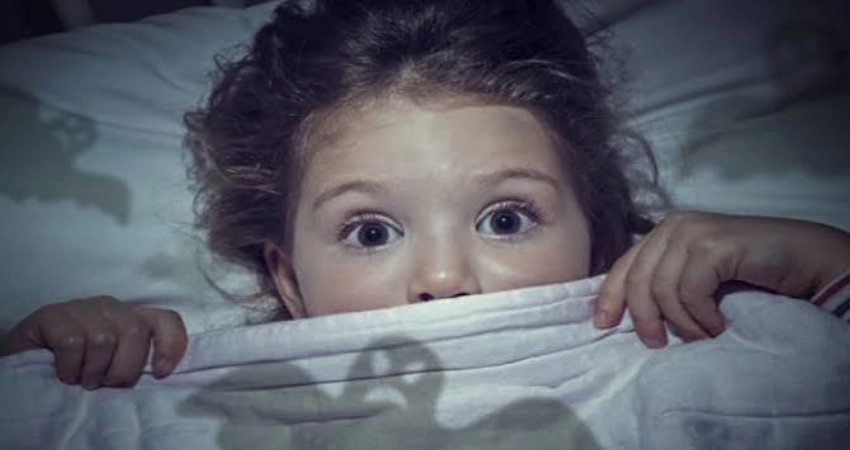
When Does a Child Need a Psychological or Behavioral Evaluation?
Many childhood fears fade naturally over time. However, certain situations may require professional support from a child mental health specialist.
Consider seeking an evaluation if:
- Symptoms persist for several weeks or months.
- Anxiety interferes with school, friendships, or family life.
- Sleep disturbances become significant.
- The child avoids school or everyday activities.
- Panic attacks or intense episodes of fear occur.
- Parents feel unable to manage the situation on their own.
Early assessment can identify the underlying causes and guide the development of an effective treatment plan before symptoms become more severe.
When should a child see a mental health professional for anxiety?
Professional help is recommended when anxiety becomes persistent, causes significant distress, or interferes with the child’s ability to function normally in daily life.
How Therapy Helps Children Overcome Anxiety
Psychological and behavioral therapies are among the most effective treatments for childhood anxiety disorders.
Treatment aims to help children:
- Understand and manage their emotions.
- Develop relaxation and emotional regulation skills.
- Challenge negative thought patterns.
- Build confidence and coping abilities.
- Strengthen family support through parental guidance.
One of the most widely used approaches is Cognitive Behavioral Therapy (CBT), which teaches children practical strategies for managing anxiety and responding more effectively to stressful situations.
Can anxiety in children be treated without medication?
In many cases, yes. Psychological and behavioral therapies can be highly effective without medication. Medication may be considered in certain situations under the supervision of a qualified healthcare professional.
Contact Waad Center for Child Anxiety Assessment and Treatment
If fear or anxiety is affecting your child’s comfort, academic performance, relationships, or daily life, early intervention can make a meaningful difference.
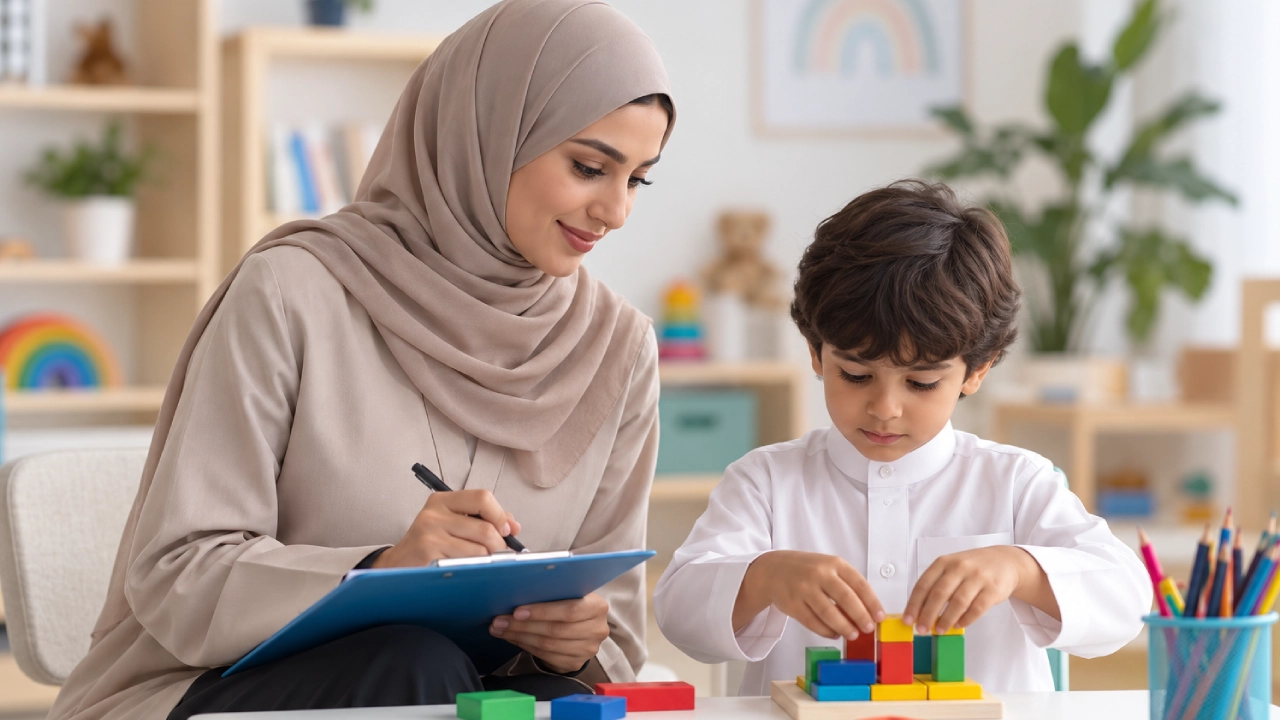
At Waad Center, our team of child mental health specialists provides comprehensive psychological and behavioral assessments, personalized treatment plans, and family-centered support to help children build confidence and emotional resilience.
Contact Waad Center today to schedule a professional consultation and help your child develop the skills needed to manage anxiety and thrive.