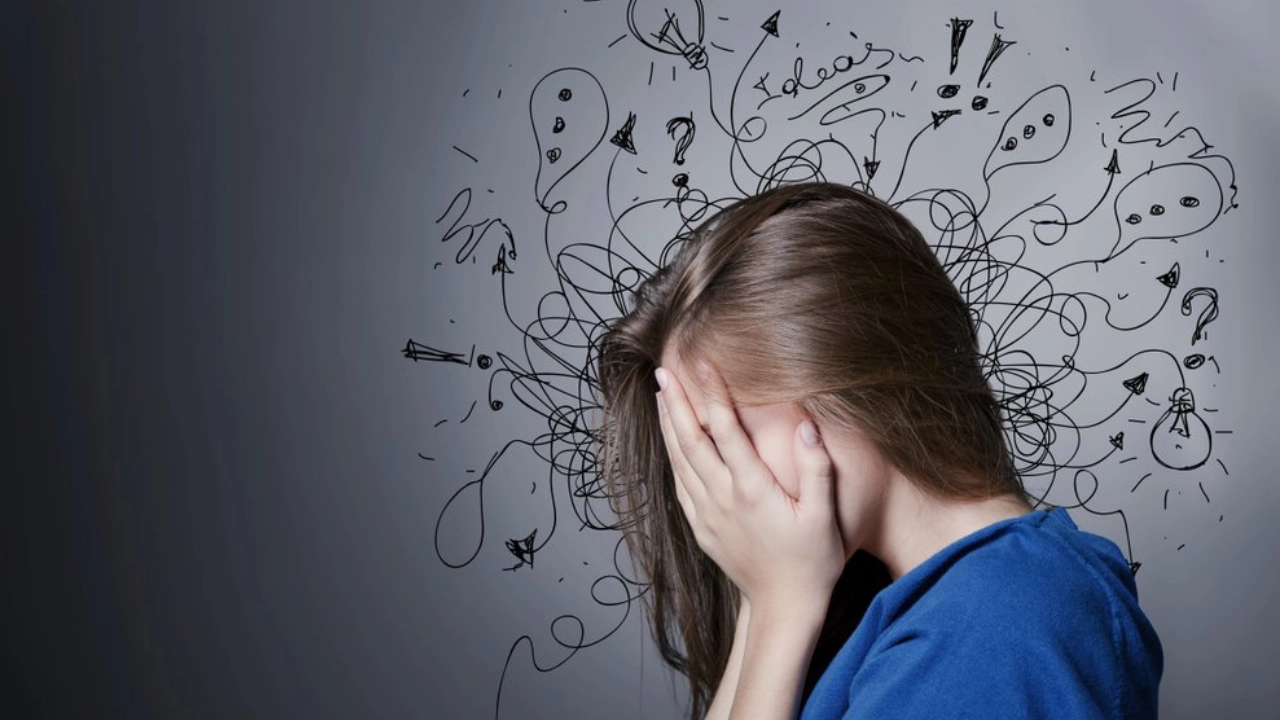


A racing heart, tight muscles, an unsettled stomach, dizziness, or the feeling that it has suddenly become harder to breathe—these symptoms may seem entirely physical, but they can also occur during periods of anxiety and stress.
Anxiety does not affect thoughts and emotions alone. When the brain perceives a situation as stressful or threatening, it can trigger noticeable physical responses involving the heart, breathing, muscles, digestive system, and other parts of the body.
However, experiencing these symptoms does not automatically mean anxiety is the cause. Many physical symptoms associated with anxiety can also occur with other medical conditions.
So, what are the most common physical symptoms of anxiety, why do they happen, and how can you know when your symptoms need further evaluation?
Table of Contents
Can Anxiety Cause Physical Symptoms?
Yes. Anxiety can cause real and sometimes distressing physical symptoms.
When the brain perceives danger or a threat, the body prepares to respond through what is commonly known as the fight-or-flight response. The nervous system becomes more active, producing physiological changes designed to help the body react quickly.
Your heart rate may increase, breathing patterns may change, muscles may tighten, sweating may increase, and digestive function can also be affected. Under normal circumstances, these responses settle once the perceived threat has passed.
When anxiety becomes frequent or persistent, however, these physical responses may occur repeatedly or some of their effects may last longer.
This does not mean the symptoms are “imaginary.” Physical symptoms associated with anxiety can be very real and uncomfortable.
At the same time, not all anxiety indicates an anxiety disorder. Feeling anxious before an exam, job interview, or important event can be a normal response. Learn more about the difference between normal anxiety and an anxiety disorder and when anxiety may require professional attention.
What Are the Physical Symptoms of Anxiety?
The physical symptoms of anxiety can vary considerably from one person to another. Some people experience only one or two symptoms, while others notice several at the same time.
Common symptoms may include heart palpitations or a rapid heartbeat, changes in breathing, dizziness, sweating, trembling, muscle tension, headaches, digestive problems, fatigue, and sleep difficulties.
These symptoms alone cannot determine whether someone has an anxiety disorder because they can also occur for many other reasons.
Heart Palpitations and a Racing Heart
Heart palpitations or an increased heart rate can occur during periods of anxiety.
When the body responds to stress or fear, the heart may begin beating faster. A person may also become more aware of their heartbeat than they would normally be.
Sometimes, noticing the palpitations can itself increase anxiety. A person becomes concerned about why their heart is beating faster, which can intensify the anxiety and make the heartbeat feel even more noticeable.
However, heart palpitations should not automatically be attributed to anxiety, particularly when they are new, persistent, unusual, or accompanied by other concerning symptoms.
Shortness of Breath or Rapid Breathing
Some people with anxiety feel as though they cannot take a satisfying breath or notice that their breathing becomes faster or shallower.
This may occur as part of the body’s heightened state of alertness.
A person may also become increasingly focused on their breathing, making the sensation more uncomfortable and leading them to take deeper or faster breaths.
Shortness of breath can have many other causes, however, and should not automatically be considered a symptom of anxiety, especially when it is severe, new, or unusual.
Dizziness and Feeling Unsteady
Anxiety may be accompanied by dizziness, lightheadedness, or a feeling of being unsteady.
Changes in breathing patterns and the body’s overall stress response may contribute to these sensations in some people.
However, dizziness has many possible causes. If it is persistent or recurring, an appropriate medical assessment may be needed rather than assuming anxiety is responsible.
Sweating and Trembling
When the body enters a heightened state of alertness, increased sweating and trembling can occur.
Some people notice these symptoms particularly in situations that trigger anxiety, such as speaking in front of others, waiting for an important event, or facing a situation they fear.
They can also occur during periods of intense anxiety even when there is no immediate physical danger.
Muscle Tension and Body Aches
Anxiety can affect more than the heart and breathing. It may also be accompanied by persistent muscle tension.
Some people notice tightness in their neck, shoulders, jaw, or back, particularly during prolonged periods of stress.
Repeated or sustained muscle tension can contribute to soreness, stiffness, and physical fatigue.
In some cases, people may not realize how often they are tensing their muscles until discomfort begins to develop.
Headaches
Headaches may accompany stress and anxiety in some people, particularly when anxiety is associated with ongoing muscle tension, disrupted sleep, or prolonged psychological stress.
However, headaches have many possible causes and patterns. Persistent, recurring, or unusual headaches should not automatically be attributed to anxiety without considering other possible explanations.
Fatigue and Exhaustion
It may seem unusual for anxiety to cause tiredness when the body is in a heightened state of alertness, but remaining physically and mentally tense can be exhausting.
Anxiety may also interfere with sleep or make it difficult to relax, contributing to fatigue during the day.
Persistent worry and constant attention to physical sensations can also become mentally draining over time.
How Does Anxiety Affect the Stomach and Digestive System?
The brain and digestive system communicate closely, which helps explain why stress and anxiety may be accompanied by digestive symptoms.
Some people experience nausea, abdominal discomfort, stomach cramps, or the familiar feeling of having a “knot in the stomach.” Changes in appetite or bowel habits may also occur during periods of stress.
The body’s response to stress does not affect only the heart and muscles. It can influence digestive activity as well.
This is why some people notice that their digestive symptoms become more noticeable during stressful periods and improve when their stress levels decrease.
However, a connection between stress and digestive symptoms does not establish anxiety as the cause. Persistent, severe, or unexplained gastrointestinal symptoms should be appropriately evaluated.
Can Anxiety Cause Chest Pain?
Anxiety can be accompanied by chest discomfort, tightness, or pain in some people.
Several factors may contribute, including muscle tension in the chest, changes in breathing patterns, an increased heart rate, and heightened awareness of physical sensations.
However, chest pain should never automatically be assumed to be caused by anxiety, even in someone who has experienced anxiety before.
Chest pain can have many causes, some of which require urgent medical attention. New, severe, or unusual chest pain—particularly when accompanied by severe shortness of breath, fainting, or other concerning symptoms—requires appropriate medical evaluation.
A previous history of anxiety should not be used to dismiss every new episode of chest pain.
What Is the Difference Between Physical Anxiety Symptoms and a Panic Attack?
Some physical symptoms of anxiety overlap with those experienced during a panic attack, but the two experiences are not necessarily the same.
Anxiety may develop gradually and can be associated with ongoing worries or specific situations. Symptoms such as muscle tension, stomach discomfort, sleep problems, or a racing heart may persist or fluctuate over time.
A panic attack, by contrast, typically involves a sudden surge of intense fear or discomfort accompanied by strong physical and psychological symptoms.
A person may experience a racing heart, sweating, trembling, shortness of breath, dizziness, and other intense sensations. The symptoms can feel so overwhelming that the person may believe they are experiencing a serious physical emergency.
For a more detailed explanation, read our guide to panic attacks, their symptoms, and how to respond.
Why Do I Have Physical Anxiety Symptoms When I Don’t Feel Anxious?
You do not necessarily have to feel intensely afraid at every moment to experience physical symptoms associated with anxiety.
When stress or anxiety continues over time, the body may remain in a heightened state of arousal even during periods when you do not consciously feel frightened.
People can also become highly attentive to physical sensations.
For example, you may notice a slight increase in your heart rate and begin wondering whether something is wrong. That concern increases anxiety, which may increase your heart rate further and make the sensation even more noticeable.
This can create a cycle:
Physical sensation → concern about the sensation → increased anxiety and physical arousal → stronger awareness of the sensation.
This cycle does not mean that every physical symptom is caused by anxiety. It simply helps explain why certain sensations can become more noticeable or persistent when a person becomes worried about them.

Can Physical Anxiety Symptoms Last for Days?
Yes. Some physical symptoms associated with anxiety may persist or recur over several days or longer, particularly when the source of stress or anxiety continues.
Muscle tension, poor sleep, fatigue, and digestive discomfort, for example, do not necessarily disappear immediately after one stressful situation ends.
The duration and pattern of symptoms also vary from person to person.
However, the length of time a symptom lasts cannot by itself confirm that anxiety is the cause.
Persistent, recurring, severe, or disruptive symptoms should be appropriately evaluated rather than being self-diagnosed as anxiety.
How Do I Know Whether My Physical Symptoms Are Caused by Anxiety or a Medical Condition?
It is not always possible to tell from the symptoms alone.
Heart palpitations, dizziness, shortness of breath, fatigue, headaches, digestive problems, and body aches can occur with anxiety, but they can also have many other causes.
You may notice that symptoms become more intense during stressful situations and improve when you feel calmer. This information can be useful when discussing your symptoms with a healthcare professional, but it does not provide a diagnosis by itself.
Determining the cause may involve considering the nature and timing of the symptoms, your medical history, associated symptoms, and other relevant factors. A healthcare professional may recommend additional evaluation or testing when appropriate.
Once relevant physical causes have been considered, the role anxiety may be playing in the symptoms can be assessed more accurately.
The key is to avoid both extremes: assuming every physical sensation indicates a serious illness or dismissing every symptom as “just anxiety.”
When Should You Seek Professional Help for Anxiety?
The decision to seek help should not be based on one physical symptom alone. It is also important to consider how frequently anxiety occurs and how much it affects everyday life.
Professional support may be appropriate when anxiety becomes difficult to control, occurs repeatedly, interferes with sleep, or begins affecting work, study, relationships, or everyday activities.
Some people may begin avoiding certain places or situations because they are afraid of experiencing palpitations, dizziness, or other symptoms. Others may become increasingly focused on monitoring their body and repeatedly checking for signs that something is wrong.
When anxiety begins changing the way you live or limiting your activities, addressing the underlying problem becomes more important than trying to manage each physical symptom separately.
Through professional anxiety treatment, the nature of the symptoms and their impact can be assessed and an appropriate treatment plan can be developed.
How Are the Physical Symptoms of Anxiety Managed?
Managing physical anxiety symptoms begins with understanding what is contributing to them.
When anxiety is identified as an important factor, treatment is not limited to reducing individual symptoms such as heart palpitations, muscle tension, or stomach discomfort. It also focuses on addressing the patterns of anxiety that may be contributing to those physical responses.
The most appropriate approach varies depending on the type and severity of anxiety and its impact on daily life.
Psychotherapy
Psychotherapy can help people better understand the thoughts, situations, and behaviors associated with anxiety and identify patterns that may be contributing to its persistence.
It can also help people develop more effective ways of responding to anxious thoughts and physical sensations rather than becoming trapped in a cycle of fear and avoidance.
Medication When Appropriate
Medication may be recommended in some cases depending on the diagnosis, severity of symptoms, medical history, and individual needs.
Having anxiety symptoms does not automatically mean that medication is necessary, and psychiatric medication should not be started, changed, or stopped without appropriate medical supervision.
For some people, psychotherapy may be sufficient. Others may benefit from medication or a combination of approaches. Read more about psychotherapy versus medication and how treatment is selected.
Supportive Lifestyle Habits
Certain everyday habits may support mental well-being and help reduce stress.
These can include maintaining a regular sleep routine, engaging in appropriate physical activity, allowing time for rest, and paying attention to whether stimulants such as caffeine seem to increase palpitations or feelings of tension.
Relaxation and breathing techniques may also help some people manage periods of heightened stress.
However, these strategies should be viewed as supportive tools rather than substitutes for professional assessment and treatment when anxiety is severe, persistent, or significantly affecting daily life.
Anxiety Treatment and Support at Waad Center
If physical symptoms of anxiety are becoming frequent or anxiety is beginning to affect your sleep, work, studies, relationships, or daily activities, it may be helpful to look beyond managing each symptom individually and understand what is driving the overall pattern.
A professional assessment can help clarify the nature of the anxiety, the psychological and physical symptoms associated with it, and the level of support that may be appropriate.
At Waad Center, anxiety assessment and treatment are provided by qualified professionals, with treatment plans tailored to the nature of the condition, symptom severity, and the individual’s needs.
If anxiety or its physical symptoms are affecting your daily life, you can contact Waad Center to schedule an assessment and discuss the most appropriate next steps.