

How Can Children Be Protected from the Impact of Family Problems?
Protecting a child from the impact of family problems does not mean that parents must never disagree. It means handling conflict in a way that does not shake the child’s sense of safety. When we ask, how do family problems affect children?, the short answer is: the way parents manage conflict largely determines how much harm or protection the child experiences.
To reduce the psychological impact of family conflict on children, it helps to focus on the following:
1. Maintain a Sense of Safety
- Avoid arguing in front of the children as much as possible, especially shouting, name-calling, and insults.
- Repeatedly reassure your child that disagreements are between adults and that they are not responsible.
- Keep daily routines as stable as you can (sleep, school, meals, play). Routines give children a sense of predictability and security.
2. Honest, Simple Communication
- Explain what is happening in age-appropriate language, without hurtful details or sharing adult secrets.
- Listen to your child’s feelings and questions without making fun of them or dismissing them.
- Reassure them that both parents’ love for them remains constant, even if the parents argue or separate.
3. Avoid Putting the Child in a Loyalty Conflict
- Do not use the child as a “messenger” between parents or ask them to take sides or act as a judge.
- Avoid criticizing or attacking the other parent in front of the child. This can damage the child’s trust in themselves and in their family as a whole.
4. Provide a Healthy Role Model for Managing Conflict
- As much as possible, show calm communication and mutual respect when you disagree.
- If an argument gets out of control, acknowledge your mistake and apologize in front of the child. This teaches them that anger can be repaired and that relationships can recover after conflict.
5. Ask for Help When Needed
- Seek support from a family counselor or mental health professional if you notice clear changes in your child’s behavior, mood, or school performance.
- Remember that every child is different in how deeply they are affected. Early intervention can help prevent more serious emotional or behavioral problems from developing.

When Does a Child Need a Psychological Assessment?
Having family problems does not automatically mean every child needs therapy. However, sometimes family stress becomes heavier than what a child can cope with alone, and warning signs begin to appear. Noticing these signs early helps parents protect their child’s mental health and reduce the long-term impact of family problems on children.
Some of the most important warning signs include ongoing anxiety and fear, low self-esteem, persistent sadness or depression, and intense guilt or self-blame.
Ongoing Anxiety and Fear
If your child shows excessive worry or ongoing fear about things that did not scare them before—such as sleeping alone, being away from one parent, or going to school—this may be a significant signal.
Anxiety may show up as:
- Anxiety may also contribute to sleep disorders in children, including difficulty falling asleep, frequent night awakenings, or recurring nightmares.
- Repeated complaints of physical symptoms without clear medical cause, such as stomachaches or headaches.
- Noticeable tension, nail-biting, restlessness, or clinging strongly to one parent.
If these signs continue for several weeks and start to affect schoolwork or social relationships, it is advisable to consult a child psychologist for a thorough assessment.
When anxiety becomes persistent and begins to interfere with daily life, understanding the difference between normal anxiety and an anxiety disorder can help parents recognize when professional support may be needed.

Low Self-Esteem
Family conflict can directly damage how a child sees themselves. Low self-esteem can appear when:
- The child often describes themselves as a “failure” or “the problem.”
- They avoid trying new things because they are afraid of failing or being criticized.
- They react very strongly to small comments and experience them as personal attacks.
- They rely heavily on other people’s opinions in order to feel they have any value.
When family problems lead a child to doubt their worth or feel like a burden on the family, a psychological assessment becomes important. Early support can help correct this self-image before it becomes fixed and begins to harm their academic progress and social life.
Persistent Sadness and Possible Depression
Not all sadness is a sign of illness. However, when sadness persists and becomes the child’s usual mood, it may indicate depression that needs professional care. Worrying signs include:
- Withdrawing from activities they used to enjoy.
- Laughing and playing much less than their peers or than they did before.
- Notable changes in appetite (eating far more or far less).
- Changes in sleep patterns (staying up very late or sleeping excessively).
- A clear drop in concentration and academic performance.
If parents notice that their child seems “switched off” or emotionally flat for most of the day for several weeks, or if the child expresses a wish to die or says they do not want to live, this is an emergency that requires immediate psychological evaluation.
Guilt and Self-Blame
In many families experiencing intense conflict or separation, children try to make sense of what is happening and often, without realizing it, blame themselves. This may appear as:
- Statements like: “If I were a better kid, Mom and Dad wouldn’t fight.”
- Trying to play the role of peacemaker or protector for one parent in ways that go beyond their age.
- Being overly obedient or giving up their own needs and preferences to avoid upsetting parents.
- Feeling deeply ashamed of family problems in front of others.
When a child lives in a constant state of self-blame and believes they are the cause of the conflict, the risk of anxiety, depression, and behavioral problems increases. A psychological assessment can help the child understand that adult conflicts are not their fault and build a healthier sense of responsibility and clearer boundaries around a child’s role in the family.
In all these situations, a single, mild symptom that appears occasionally does not mean the child has a mental health disorder. It is the persistence of several symptoms, their severity, and how much they interfere with daily life that make consulting a mental health professional an important step to protect the child and prevent the problem from getting worse.
How Does Early Intervention Reduce the Impact of Family Problems on Children?
Early intervention means noticing changes in a child’s behavior or emotions as soon as they appear, and responding before they turn into deeper psychological difficulties or fixed behavior patterns. The earlier parents seek support and help their child, the easier it usually is to reduce the impact of family conflict and help the child adapt in healthy ways, especially in the behaviors that show up clearly in daily life.
Common behavioral responses to family problems include aggression and irritability, social withdrawal, over-attachment to one parent, and rebellious or risky behaviors.
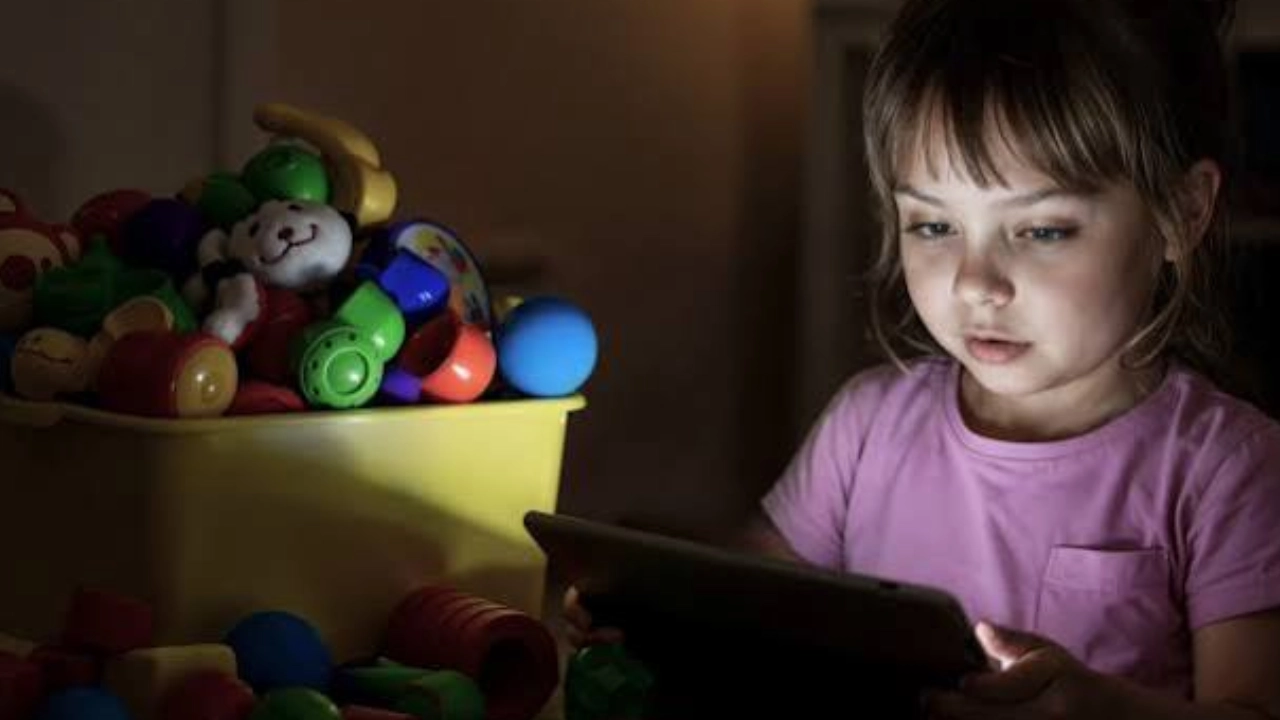
Some teenagers may also turn to digital entertainment as a way of escaping family stress. Parents should pay attention when excessive use begins to show signs of video game addiction in teenagers and affects sleep, school performance, or relationships.
Aggression and Irritability
When a child becomes unusually irritable or aggressive (for example, hitting, breaking things, or constant screaming), early intervention is crucial to help them learn safe ways to express anger. Parents can:
- De-escalate the situation instead of entering into a power struggle with the child.
- Set clear, consistent rules for rewards and consequences, without physical punishment or humiliation.
- Encourage the child to talk about their feelings using simple words.
A mental health professional can help the child understand their emotions and learn anger-management skills, which prevents aggression from becoming a long-term pattern or a serious problem at school and in relationships.

Social Withdrawal and Isolation
Some children react by withdrawing and becoming very quiet. They may stop playing with peers, refuse to join activities, or spend long periods alone. Early intervention can prevent this isolation from developing into depression or social anxiety. Helpful steps include:
- Encouraging the child to take part in calm group activities they enjoy.
- Setting aside daily time for conversation and play to strengthen their sense of safety and connection.
- Informing the school or teacher about the child’s situation so they can respond sensitively.
A therapist can help the child rebuild confidence and a sense of belonging, and can coach parents on ways to support open communication.
Excessive Attachment to One Parent
Over-attachment to one parent—such as intense fear when the mother is away, refusing to sleep alone, or extreme crying during separations—is often an expression of inner fear and insecurity related to family tension. Early intervention can:
- Reassure the child, in simple language, that adult disagreements are not their fault.
- Reinforce a predictable daily routine that gives a sense of stability.
- Gently train the child to tolerate short, safe separations (for example, staying with a trusted relative for brief periods).
A mental health professional can guide parents in balancing warmth and boundaries, and in shaping the attachment relationship so that it remains close but not overwhelming for either side.
Rebellious or Risky Behaviors
Rebellious or risky behaviors—such as frequent lying, skipping school, experimenting with smoking, or spending time with unsafe peers in later childhood and early adolescence—may be the child’s way of seeking attention or escaping family stress. Early intervention helps prevent these behaviors from developing into more serious problems during adolescence. It is important to:
- Look beneath the behavior before punishing. What is the child trying to communicate through their actions?
- Avoid sarcasm and constant threats, and use clear, firm, respectful communication instead.
- Agree on logical, consistent consequences, while also recognizing and rewarding positive behavior.
Professionals can support the family in creating a realistic parenting plan and teaching the child decision-making and responsibility skills, reducing their drive toward harmful or dangerous behaviors.
In all of these patterns, early intervention does not mean the problem is “huge” or that the child is “mentally ill.” It reflects parents’ commitment to protecting their child’s mental health before difficulties grow and become more complex over time.
Get Professional Support to Help Your Child Cope with Family Problems at Waad Center for Health and Wellbeing
A child’s ability to overcome the impact of family problems does not depend only on their inner strength. It also depends on the quality of support they receive. Professional help allows the child to understand what they are going through, express their feelings safely, and build psychological skills that protect them in the long term.
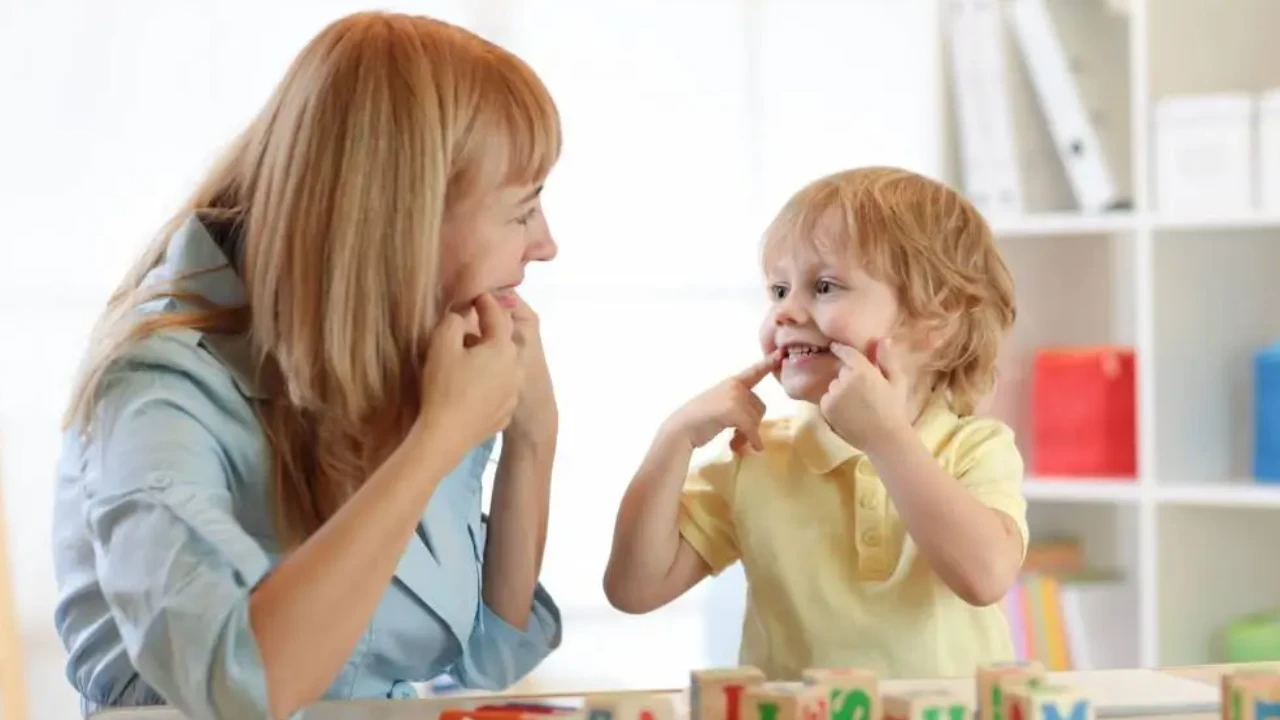
At Waad Center for Health and Wellbeing, an integrated team of psychologists, speech and language therapists, and behavior specialists works with both children and parents through:
- Comprehensive psychological and behavioral assessments that take into account the child’s age, developmental stage, and family situation.
- Individual therapy sessions to help the child manage anxiety, fear, anger, or guilt linked to family conflicts.
- Family counseling sessions to support parents in using safer communication patterns around children and reducing the impact of conflict on their mental health.
- Personalized treatment plans for each child, recognizing that the impact of family problems differs from one child to another.
If you notice ongoing changes in your child’s behavior, school performance, sleep, or relationships, seeking professional help is a responsible step, not an overreaction. Visiting Waad Center for Health and Wellbeing can be the starting point for helping your child regain their sense of safety and confidence, and for reducing the psychological effects of family problems as much as possible, through regular follow-up and close cooperation between the family and the clinical team.