


What is depression in adolescents?

Adolescent depression is a mental health disorder that affects how a teenager thinks, feels, and behaves. It typically shows up as persistent sadness, loss of interest in everyday activities, and difficulties in school performance and social relationships.
Depression is more than just a passing mood swing; it is a clinical condition that can last for weeks or months and interfere with a young person’s ability to function normally in daily life.
During adolescence, depression is often linked to a combination of factors, such as hormonal changes, academic pressure, bullying, family conflicts, or exposure to psychological trauma.
It may also be accompanied by physical symptoms like sleep disturbances, appetite changes, and fatigue, along with negative thoughts about oneself, feelings of guilt, and low self-esteem.
Recognizing what depression looks like in teenagers enables parents and teachers to spot the warning signs early and seek professional help from a psychiatrist or mental health specialist before the condition worsens.
What are the most prominent symptoms of depression in adolescents?
Persistent Sadness and Inner Emptiness
Persistent sadness and a pervasive sense of emptiness are among the most prominent symptoms of depression in adolescents. Unlike normal, passing sadness, these feelings do not fade after a day or two.
A teenager may describe this as “I don’t feel anything” or say that “nothing matters,” even in situations that would normally be considered enjoyable or exciting.
When this depressed mood continues for weeks or months, along with difficulty feeling joy or taking pleasure in things, it suggests the possibility of a depressive disorder that needs assessment by a mental health professional.
This symptom is not always linked to a clear trigger; a teenager may feel deeply sad “for no reason,” which can leave them feeling confused and distressed.
Irritability and Excessive Nervousness
Irritability and increased nervousness are very common signs of depression in adolescents and are often misinterpreted as “bad behavior” or mere “stubbornness.”
The teenager may become quick‑tempered, overreact to minor issues, raise their voice, or get into frequent arguments with parents, teachers, and friends.
A noticeable decrease in patience and tolerance, along with a constant feeling of inner tension and discomfort, can indicate that the teenager is not expressing sadness directly, but showing it through irritability instead.
When this irritability is persistent and accompanied by other symptoms such as sadness or social withdrawal, it is important to consider depression as a possible cause, rather than dismissing it as “normal teenage moodiness.”
Loss of Interest in Activities and Hobbies
A marked loss of interest in activities and hobbies the teenager used to enjoy is one of the clearest and most significant symptoms of adolescent depression.
They may suddenly stop playing their favorite sport, spending time with friends, or engaging in hobbies like drawing or video games, and appear indifferent to any alternatives.
The teenager often feels they lack the emotional energy or motivation to do anything, even simple tasks, and may prefer to sit doing nothing for long periods.
When this loss of pleasure and interest (anhedonia) continues for weeks and is accompanied by a clear drop in participation in daily life, it should be taken seriously as an important indicator of depression.
Withdrawing from Family and Friends
Social withdrawal and distancing from family and friends are recurring features of depression in adolescents.
The teenager may start spending most of their time alone in their room, refuse to go out with the family, and make excuses to avoid social gatherings or school events.
Communication with friends via phone or social media may decline, and they may seem less willing to talk or share how they feel.
This is more than a temporary wish for privacy; it becomes a persistent pattern of isolation and a sense of not belonging or feeling that their presence doesn’t matter, which can worsen the depression if not noticed and addressed early.
Feelings of Guilt and Low Self‑Esteem
Persistent guilt and low self‑esteem are important psychological markers of depression in adolescents.
The teenager may frequently say things like “I’m a failure,” “Everything is my fault,” or feel they are a burden on their family, even when there is no real evidence for these beliefs.
They may harshly criticize themselves for minor mistakes and compare themselves to others in a negative way, which reinforces feelings of inadequacy and unworthiness.
When this negative self‑talk becomes constant and is accompanied by sadness, withdrawal, or loss of interest, it is a strong sign of depression and calls for early psychological support.
Physical Symptoms of Depression in Adolescents
Sleep Disturbances
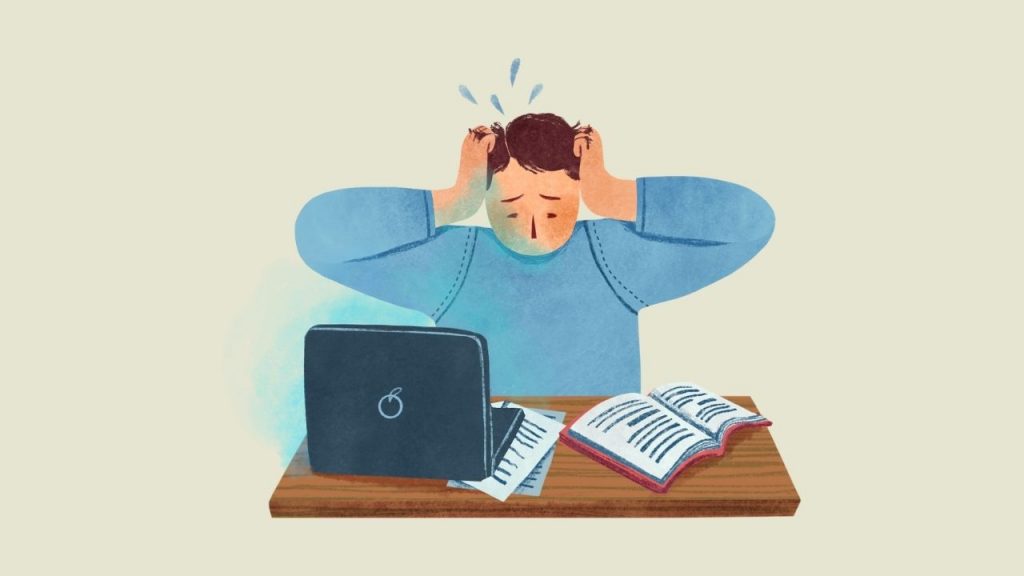
Sleep disorders are among the most prominent physical manifestations of depression in adolescents. A teenager may struggle to fall asleep at night, wake up repeatedly without a clear reason, or experience persistent insomnia.
In other cases, depression may present as excessive sleep, where the adolescent tends to sleep for long hours during the day and finds it difficult to wake up in the morning.
These changes in sleep patterns are not just due to academic fatigue or screen time. They are more persistent and significantly affect mood, concentration, and school performance, making sleep disturbances a key physical sign of depression in adolescents.
Changes in Appetite and Weight
Alterations in appetite and body weight are common physical signs of adolescent depression. Parents may notice a marked loss of appetite leading to noticeable weight loss, or the opposite pattern, where some teenagers resort to overeating as a way to cope with sadness and stress.
These changes are usually not linked to a specific diet or a new exercise routine; instead, they tend to develop gradually as the adolescent’s mental health deteriorates.
Ongoing weight loss or gain without a clear medical cause, especially when accompanied by other depressive symptoms, warrants attention and consultation with a specialist, as it often reflects the impact of depression on the body and on eating behaviors in adolescents.
Persistent Fatigue and Low Energy
Persistent fatigue and low energy are key physical symptoms of depression in teenagers. The adolescent may feel constantly exhausted, even after what seems like sufficient sleep.
They might complain of a sense of heaviness in the body or difficulty carrying out routine daily activities such as studying, exercising, or going out with friends.
This type of fatigue does not resolve with brief rest and is often accompanied by a loss of motivation and interest. As a result, the teenager may be perceived as lazy or indifferent, while in reality they are struggling with the physical symptoms of depression that deplete their energy.
Recurrent Headaches and Other Physical Pain
Frequent headaches, as well as stomachaches or muscle pain, are physical symptoms of depression in adolescents that may go unrecognized as being linked to mental health.
A teenager may repeatedly visit clinics complaining of headaches, abdominal cramps, or back pain, with no identifiable organic cause on medical evaluation.
When these recurring physical complaints occur alongside mood changes, social withdrawal, and alterations in sleep or appetite, they may indicate depression that requires psychological assessment, rather than being dismissed as minor, isolated physical problems.
How Does Depression Affect Academic Performance and Social Relationships?

Depression in adolescents involves far more than just feeling sad; it has a direct impact on school performance and on relationships both at home and at school.
Parents and teachers may notice a sudden drop in grades, difficulty concentrating, forgetfulness with homework, and frequent absenteeism. A depressed teenager often feels exhausted, unmotivated, and detached from schoolwork that used to matter to them.
Depression can also lead to social withdrawal, avoiding friends and activities, or it may appear as increased irritability and recurring conflicts with peers. This, in turn, intensifies feelings of isolation and worsens the adolescent’s self‑image.
Because the overlap between depressive symptoms, learning difficulties, and social problems can easily go unnoticed, it is crucial to pay attention to any marked changes in behavior, academic performance, or communication style—and to seek professional help in a timely manner.
What Causes Depression in Teenagers?
Depression in adolescents arises from a complex interaction of biological, psychological, and social factors. Understanding these causes is a key step in recognizing early signs of depression in teenagers and responding appropriately.
Genetics often play a significant role: the risk of depression increases when a parent or first-degree relative has a mood disorder. In addition, the rapid hormonal changes that occur during adolescence can alter brain chemistry and contribute to mood disorders, persistent sadness, or loss of interest and pleasure.
Academic pressure, fear of failure, and the constant drive to meet family or societal expectations can also create a stressful environment that fosters the development of depression.
Family conflict, emotional neglect, and bullying—whether at school or through social media—have a marked impact as well, undermining self-esteem and a teenager’s sense of psychological safety.
Exposure to traumatic experiences such as the loss of a loved one, physical or emotional abuse, or sexual harassment is considered one of the major triggers of depression in adolescents and can intensify its symptoms.
Social isolation, spending excessive time online without meaningful real-life interaction, and the use of alcohol or drugs further erode mental health and significantly increase the risk of depression during this vulnerable stage of development.
Recognizing these contributing factors helps parents connect them to the symptoms they observe in their teenagers and seek timely, professional mental health support.
When Do Teenage Depression Symptoms Become Concerning?
Depression symptoms in adolescents become worrisome when most of the signs persist for more than two consecutive weeks and clearly interfere with school performance, social relationships, or daily activities.
If parents or teachers notice ongoing social withdrawal, deep and persistent sadness, marked changes in appetite or sleep patterns, or a sudden drop in academic performance along with loss of motivation and interest in previously enjoyed hobbies, this may point to a depressive disorder rather than normal mood swings typical of adolescence.
The symptoms become more serious and require urgent attention if the teenager expresses thoughts of self-harm or suicide, or shows impulsive and risky behaviors such as substance use, repeated running away from home or school, or other forms of self‑endangering conduct.
In such situations, it is essential not to wait or minimize the problem. An urgent assessment by a psychiatrist or qualified mental health professional is needed to evaluate the condition and develop an appropriate treatment plan that protects the adolescent and supports their recovery.
Warning signs that require urgent help, in line with the research intent
Depressive symptoms in adolescents can shift from a manageable condition with family support to an acute psychiatric emergency requiring immediate intervention when certain high‑risk signs appear.
Urgent help should be sought if the teenager talks directly or indirectly about wanting to die or commit suicide, starts searching online for methods of self‑harm, or leaves notes, messages, or posts that sound like a farewell to others.
Immediate attention is also needed when there are clear, impulsive high‑risk behaviors, such as deliberately reckless driving, ingesting large quantities of medication (with or without a prescription), or suddenly using drugs or alcohol in a heavy and uncontrolled way.
Other red flags include complete withdrawal from family and friends, abruptly stopping school attendance, losing interest in all activities, severe and unexplained angry outbursts, or marked and persistent changes in sleep and appetite accompanied by profound sadness.
If any of these signs are noticed, or if there is concern that the adolescent’s depression is worsening, it is essential to seek immediate evaluation by a psychiatrist or mental health professional, or to contact emergency services or the nearest hospital emergency department. Monitoring and “waiting to see what happens” is not enough; early intervention can save lives and significantly reduce the long‑term complications of depression.
How Is Depression Diagnosed in Teenagers?
Clinical Interview

The clinical interview is the cornerstone of diagnosing depression in adolescents. During this step, a psychologist or psychiatrist meets with the adolescent in a calm, private setting to ask in depth about their emotions and day‑to‑day behavior.
The clinician explores how long the sadness has persisted, whether there is a loss of interest or pleasure (anhedonia), and whether there are difficulties with sleep or appetite, as well as changes in school performance and relationships with friends and family.
Throughout the interview, the clinician evaluates the severity of symptoms and determines whether they meet established diagnostic criteria for depressive disorders in adolescents, or if they simply reflect normal mood fluctuations typical of this developmental stage.
The specialist also checks for suicidal ideation or self‑harm thoughts, substance use, and major stressors at school or home that might be contributing to the onset of depressive symptoms.
This interview provides a comprehensive picture that lays the groundwork for an accurate diagnosis and an appropriate treatment plan.
Psychological and Behavioral Assessment
In addition to the clinical interview, diagnosing depression in adolescents relies on a more structured psychological and behavioral assessment. This typically includes standardized questionnaires and rating scales designed to measure the presence and intensity of depressive symptoms.
Adolescents may be asked to complete forms that include questions about mood, energy levels, sleep patterns, concentration, self‑esteem, and their outlook on the future, with the results compared against scientifically validated norms and cut‑off scores.
The clinician also monitors behavioral changes such as social withdrawal, declining academic performance, loss of interest in previously enjoyable activities, or emerging aggressive or oppositional behaviors.
In some cases, a broader mental health evaluation is performed to differentiate depression from other conditions that may present with overlapping symptoms, such as anxiety disorders or attention‑deficit/hyperactivity disorder (ADHD).
This integrated assessment helps confirm that the symptoms are not transient or situational, but part of a depressive disorder that requires timely monitoring and intervention.
The Role of the Family in Diagnosis
Family members play a pivotal role in the process of diagnosing depression in adolescents, as clinicians depend heavily on their day‑to‑day observations of mood and behavior changes.
The specialist may request a meeting with parents or primary caregivers to gather information about when the symptoms began, how they have progressed, how severe they are, and how they have affected school performance and family dynamics at home.
The family’s input is also important in identifying risk factors such as a family history of depression or other psychiatric disorders, experiences of bullying, or serious family conflicts, all of which can improve diagnostic accuracy.
Their involvement further contributes to ruling out potential medical causes, such as chronic illnesses or medications that might impact the adolescent’s mental state.
A supportive and engaged family not only facilitates the accurate diagnosis of depression in adolescents, but also plays a crucial role later on in the success of the treatment plan and in sustaining the adolescent’s recovery.
What are the treatment options for depression in adolescents?
Treatment for depression in teenagers typically involves a combination of psychotherapy, family support, and, in some cases, medication—depending on symptom severity and the specialist’s assessment.
Cognitive Behavioral Therapy (CBT) is often considered the cornerstone of treatment for adolescent depression. It helps teens identify and understand the negative thought patterns linked to depression and develop healthier coping strategies for managing school-related stress, relationship difficulties, and body image concerns.
Family involvement is also crucial. A supportive, non-judgmental home environment can improve treatment adherence and reduce feelings of isolation in the adolescent.
For moderate to severe depression, a child and adolescent psychiatrist or a qualified mental health professional may recommend age-appropriate antidepressant medication, with careful monitoring of side effects and regular evaluation of the teen’s response to treatment.
Healthy lifestyle habits—such as regular physical activity, adequate sleep, and limiting screen time—can help alleviate some depressive symptoms in adolescents. However, these measures are not a substitute for professional mental health evaluation, especially if symptoms persist or worsen.
How Can Families Support a Teenager with Depression?
Family support for a teenager living with depression begins with recognizing that what they are going through is not “attention-seeking” or just a passing phase, but a real mental health condition that requires empathy and early intervention—especially when symptoms of adolescent depression appear, such as social withdrawal, declining academic performance, and disturbances in sleep or appetite.
It is essential for parents to provide a safe, non-judgmental space for conversation: listening calmly without criticism or belittling their feelings, asking open-ended questions that encourage them to talk about what’s bothering them, and reassuring them that their emotions are valid and that the family is there to support them.
Seeking professional help is strongly recommended—ideally from a psychiatrist or a cognitive behavioral therapist experienced in adolescent depression—and sticking to the prescribed treatment plan, whether it involves psychotherapy, medication, or a combination of both.
Families can further promote the teenager’s recovery by fostering a healthy lifestyle at home: encouraging sufficient sleep, regular physical activity, balanced nutrition, and limiting screen time, as well as gradually involving them in activities they enjoy—without pressure or forcing them to “act fine” before they are ready.
Finally, parents must stay alert to warning signs such as talk of self-harm or suicide, take such signs with utmost seriousness, and seek emergency help immediately if they appear. Informed, compassionate family support can dramatically change the course of depression in adolescents and steer them toward recovery.
Why Choose Waad Centers for Adolescent Mental Health Support?
Waad Centers for Adolescent Mental Health are distinguished by a comprehensive clinical model tailored to the unique developmental and psychological needs of this sensitive life stage. Our approach is grounded in the latest international guidelines for diagnosing and treating adolescent depression, including symptoms such as persistent sadness, social withdrawal, sleep disturbances, academic decline, and changes in appetite and behavior.
At Waad, a multidisciplinary team collaborates to provide individualized care, including consultant psychiatrists, cognitive behavioral therapists (CBT specialists), and family and school counselors. Together, they design a personalized treatment plan for each adolescent to help them restore emotional balance and rebuild self-confidence.
The centers offer a safe, supportive, and non‑judgmental environment that encourages teens to express their feelings freely, while actively involving parents through family counseling sessions. These sessions help caregivers understand the nature of adolescent depression and equip them with practical strategies to provide effective support at home.
In addition, Waad Centers implement structured follow‑up programs and regular psychological assessments to monitor progress, maintain treatment gains, and reduce the risk of relapse. This makes Waad a trusted choice for families seeking specialized, professional care for adolescent depression and long‑term support for their children’s mental wellbeing.
Book an Appointment to Assess and Treat Adolescent Depression at Waad Centers
At Waad Centers, we provide comprehensive medical and psychological assessments for depressive symptoms in adolescents. The process begins with an in-depth evaluation session to determine symptom severity and explore related family, academic, and social factors, followed by designing an individualized treatment plan tailored to each teenager’s needs.
Our team includes leading consultants in psychiatry and specialists in cognitive behavioral therapy (CBT), delivering evidence-based treatment grounded in the latest international guidelines, with regular follow-up and family support to enhance recovery and reduce relapse risk.
You can easily book an appointment by phone or online to explore possible causes of mood changes, social withdrawal, poor concentration, or declining academic performance, and begin a safe, reliable treatment journey for adolescent depression in a confidential environment that supports the mental health of both the teenager and the family.