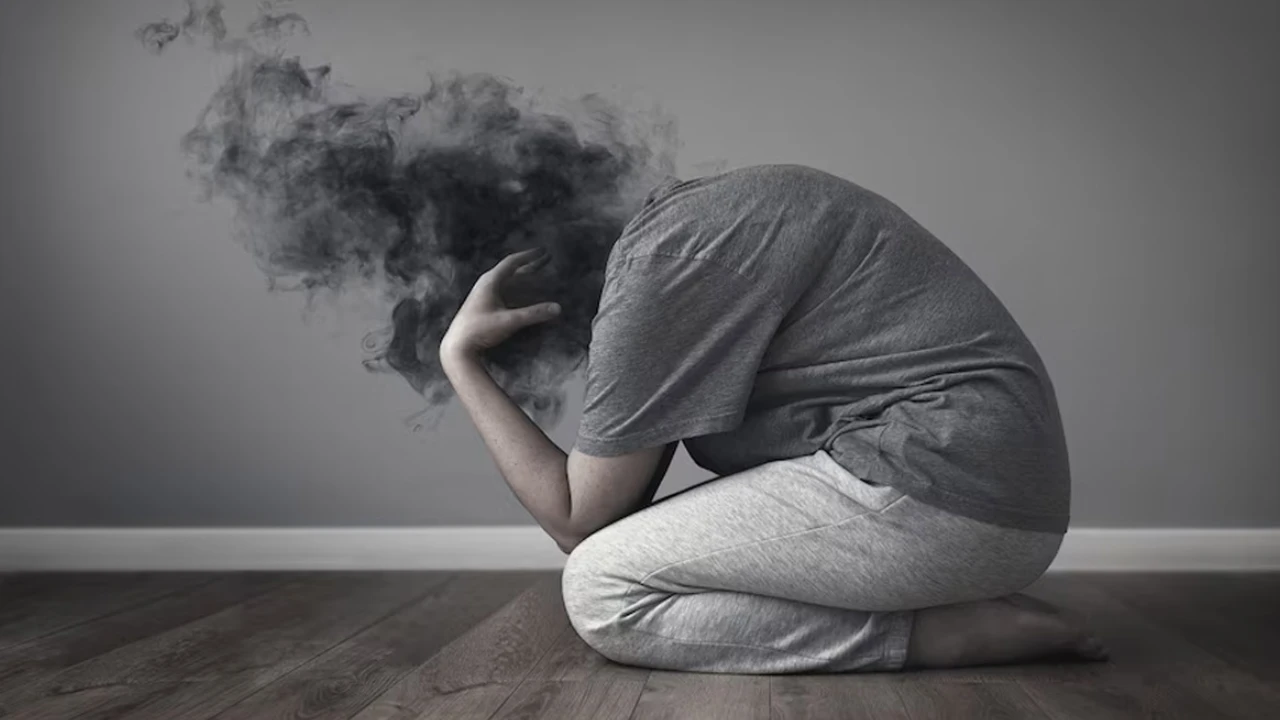


What is a panic attack?
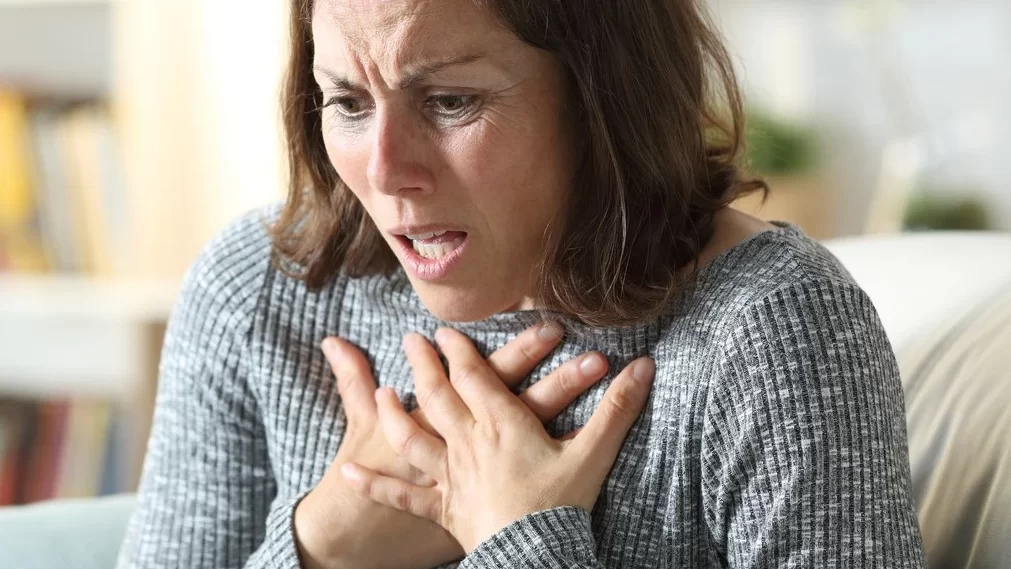
A panic attack is a sudden episode of intense fear or severe anxiety that builds up within minutes, making the person feel as if they are losing control or facing a real, life‑threatening danger, even though no actual threat is present.
It is characterized by marked physical symptoms such as rapid heartbeat (palpitations), shortness of breath, chest pain or discomfort, sweating, trembling or shaking, dizziness or feeling faint, and it may be accompanied by numbness or tingling in the limbs or a sensation of choking.
Many people experiencing a panic attack believe they are having a heart attack or about to die, which further intensifies their fear and confusion.
Panic attacks can occur as part of panic disorder or other anxiety disorders. They may appear unexpectedly without a clear trigger, or be brought on by stressful situations.
Understanding what a panic attack is and how it differs from physical illnesses is essential for seeking appropriate medical help and starting behavioral and/or pharmacological treatment to control the symptoms and improve quality of life.
Types of Panic Attacks
Sudden (Acute) Panic Attacks and How They Occur
Sudden, acute panic attacks are among the most common forms of panic attacks. They are characterized by an abrupt onset of intense anxiety and overwhelming fear, without any clear warning signs.
The person may experience rapid heart rate (palpitations), shortness of breath, sweating, trembling, dizziness, a choking sensation, or chest pain, which can lead them to believe they are having a heart attack or suffering from a serious physical condition.
Acute panic attacks occur as a result of an exaggerated response of the nervous system to a perceived “threat” that is unrealistic or greatly amplified, triggering a sudden surge of stress hormones such as adrenaline.
This type of panic attack can strike anywhere: at work, while driving, in a supermarket, or even at home while sitting quietly, with no obvious trigger.
Understanding the nature of sudden panic attacks helps reassure the patient that what they are experiencing is a severe anxiety episode, not a life‑threatening medical emergency. This makes it easier to seek specialized psychological support and to choose the most appropriate treatment approach.
Nocturnal Panic Attacks and Their Impact on Sleep
Nocturnal panic attacks are a form of panic attack that arise suddenly during sleep at night, causing the person to wake up in a state of intense fear and acute anxiety, without understanding why.
The patient may awaken with a racing heartbeat, shortness of breath, a choking sensation, profuse sweating, and body tremors, along with a strong feeling that something terrible is about to happen.
Nocturnal panic attacks directly affect sleep quality: the person may begin to fear going to bed or worry about having another attack, which can lead to insomnia and chronic sleep disturbances.
If these attacks recur, they can intensify daytime anxiety, increase overall stress levels, and worsen the underlying panic disorder if not addressed with appropriate therapeutic interventions.
Accurate diagnosis of nocturnal panic attacks—and ruling out organic causes such as cardiac or respiratory disorders—is a crucial first step before starting psychological and pharmacological treatment, helping to restore restful sleep and reduce the impact of these episodes on daily life.
Causes of Panic Attacks

Panic attacks arise from a combination of psychological, biological, and social factors. They are not always linked to a real external danger; rather, they often result from an overactive internal “alarm system” in the body.
A key contributor is genetic predisposition, along with imbalances in brain chemistry—particularly in the regulation of stress-related neurotransmitters and hormones such as adrenaline and serotonin.
Chronic psychological stress and major emotional or life traumas—such as the loss of a loved one, being involved in an accident, or experiencing work- and relationship-related conflicts—can significantly increase the likelihood of developing panic attacks.
Panic attacks are also more common in individuals with generalized anxiety disorder (GAD), social anxiety disorder, depressive disorders, or in those with highly sensitive personalities who tend to overthink issues related to health and the future.
Certain physical conditions and lifestyle factors may trigger or intensify panic attacks, including excessive caffeine consumption, smoking, substance abuse, thyroid disorders, cardiac arrhythmias, and poor sleep quality.
In many cases, panic attacks occur suddenly and without an obvious trigger. However, understanding the underlying causes can be very reassuring for patients, as it helps reduce fear of the symptoms themselves and supports the development of an effective treatment plan in collaboration with a physician or mental health professional.
Risk Factors — Who Is Most Likely to Experience Panic Attacks?
Panic attacks are more likely to occur in people with a family history of anxiety disorders or panic attacks, as genetic factors clearly influence how sensitive the nervous system is to stress.
Past psychological trauma—such as serious accidents, domestic violence, or the loss of a loved one—is also among the most significant risk factors that can predispose a person to developing panic attacks later in life.
Individuals exposed to chronic stress, whether related to work, study, or relationships, as well as those living with other mental health conditions such as major depressive disorder or generalized anxiety disorder, are likewise at higher risk of experiencing panic attacks.
Certain lifestyle habits can further increase the likelihood of panic attacks, including excessive consumption of caffeine and nicotine, inadequate sleep, and the use of recreational drugs or alcohol.
Epidemiological data also show that younger people—particularly those in late adolescence and early adulthood—and females are more prone to panic attacks than males. This underscores the importance of early recognition of symptoms and timely access to professional help to reduce the frequency and impact of these episodes.
Panic Attack Symptoms You Should Be Aware Of
Panic attack symptoms tend to appear suddenly and intensify rapidly, usually reaching their peak within minutes. They often include a rapid or pounding heartbeat, a sensation of forceful heartbeats in the chest, shortness of breath or a feeling of being unable to breathe, and chest pain or discomfort that may raise concern about having a heart attack.
Many people also experience lightheadedness or dizziness, trembling or shaking in the limbs, sudden sweating, and chills or sudden waves of heat throughout the body.
Common features of a panic attack also include a sense of unreality (derealization) or feeling detached from oneself or one’s surroundings (depersonalization), along with an intense fear of losing control, “going crazy,” or an imminent sense of death.
Panic attacks may be accompanied by gastrointestinal symptoms such as abdominal pain or nausea, as well as numbness or tingling in the hands and feet caused by extreme anxiety and over-breathing (hyperventilation).
When these symptoms recur without a clear medical cause, and are coupled with a persistent fear of having another attack, this may indicate panic disorder and warrants evaluation by a physician or mental health professional for proper diagnosis and treatment.
When should you see a doctor?
You should seek medical attention if panic attacks become frequent, or if they start to interfere with your daily life, relationships, or ability to work or study.
If you experience episodes of intense heart palpitations, shortness of breath, chest pain, or a feeling of impending doom or loss of control—especially when these symptoms appear suddenly and recur—you need to consult a doctor. This is important both to rule out serious cardiac or respiratory conditions and to accurately diagnose panic attacks.
You should also see a doctor if you begin avoiding certain places or situations out of fear of having another panic attack, or if your panic attacks are accompanied by symptoms of depression, suicidal thoughts, severe insomnia, or increasing reliance on sedatives or alcohol.
Early intervention can make panic attacks highly manageable through cognitive behavioral therapy (CBT) and appropriate medications. It also helps prevent the development of chronic panic disorder and significantly improves your overall quality of life.
How Are Panic Attacks Diagnosed?
Panic attacks are usually diagnosed by a psychiatrist or a qualified mental health professional after a thorough assessment to make sure the symptoms are not caused by another medical condition.
The process typically starts with a detailed medical and psychological history. The clinician will ask about the nature of the panic attacks, when they occur, how long they last, physical symptoms such as palpitations, shortness of breath, and dizziness, as well as psychological symptoms like intense fear or a sense of impending doom.
In many cases, the doctor will order certain investigations—such as blood tests or an electrocardiogram (ECG)—to rule out cardiac diseases or thyroid disorders, which can produce symptoms similar to those of panic attacks.
The clinician then applies standardized diagnostic criteria, such as those in the Diagnostic and Statistical Manual of Mental Disorders, Fifth Edition (DSM-5). These criteria focus on the frequency and severity of the attacks, the degree to which they interfere with daily functioning, and whether there is ongoing worry about having additional attacks.
Accurate diagnosis helps distinguish panic attacks from other anxiety disorders or depression and guides the choice of the most appropriate treatment plan, whether that is cognitive behavioral therapy (CBT), anti-anxiety or antidepressant medications, or a combination of both.
Possible Complications of Untreated Panic Attacks
Leaving panic attacks untreated can trigger a cascade of psychological and physical complications that directly undermine day‑to‑day quality of life.
With recurrent attacks and no proper diagnosis or evidence‑based treatment, the risk of developing chronic panic disorder increases, as well as other anxiety disorders such as generalized anxiety disorder, social anxiety disorder, and agoraphobia (fear of open or crowded spaces).
Because the symptoms can be intense and frightening, some people start avoiding leaving home, driving, or being in public places for fear of having another sudden attack. This avoidance can significantly disrupt work performance, academic progress, and social relationships.
Over the long term, untreated panic attacks are associated with a higher likelihood of developing depression, sleep disorders, and misuse of alcohol or sedative medications as a risky form of self‑medication to cope with anxiety.
Persistent stress and chronically elevated stress hormones can also worsen certain physical conditions, including high blood pressure, irritable bowel syndrome (IBS), chronic headaches, and heart palpitations. This often leads to repeated medical evaluations and diagnostic tests without finding a clear organic cause.
Early recognition of panic attacks and seeking professional help are therefore essential steps to prevent these complications and protect both mental and physical health in the long run.
Immediate Steps During a Panic Attack — What To Do Right Now
Psychotherapy
Psychotherapy is the cornerstone of managing panic attacks both in the short and long term. It complements the immediate steps you take while an attack is actually happening.
During sessions, the therapist helps you understand what is going on in your body and mind at the moment of panic, and how to reinterpret physical symptoms such as a racing heart or shortness of breath.
This understanding reduces the fear of the attack itself and makes immediate calming strategies—like deep breathing and grounding in the present—much more effective.
Over time, you develop a personalized plan for what to do “right now” during an attack, instead of feeling helpless or repeatedly rushing to the emergency room.
Cognitive Behavioral Therapy (CBT) and How It Breaks the Panic Cycle

Cognitive Behavioral Therapy (CBT) is one of the most effective psychological treatments for panic attacks, because it directly targets the “panic cycle,” which starts with a frightening thought and escalates into intense physical symptoms.
In the middle of a panic attack, CBT skills help you quickly recognize catastrophic thoughts such as “I’m going to die” or “I’m going to suffocate,” and replace them with more realistic statements like: “This is a panic attack, not a heart attack. It will pass in a few minutes.”
This rapid shift in thinking reduces the level of adrenaline in your body and makes it easier to use your immediate strategies, such as slowing your breathing, fixing your gaze on a single point, or counting gradually.
With repeated practice, these automatic responses become a powerful tool for stopping a panic attack early—before it fully escalates.
Exposure Therapy and Reprocessing Techniques
Exposure therapy aims to break the cycle of avoidance and fear linked to panic attacks by gradually and safely exposing you to the situations or bodily sensations that trigger them.
For example, in a session you might practice bringing on sensations like a racing heart or dizziness in a controlled setting, while using the same immediate strategies you rely on during a real-life panic attack.
In this way, the brain learns that these sensations are not dangerous and that you are able to calm yourself without escaping or calling emergency services every time.
Reprocessing techniques—such as EMDR (Eye Movement Desensitization and Reprocessing) or targeted memory restructuring for past panic episodes—also help reduce the intensity of your reaction when early panic symptoms appear, making it easier and more effective to control an attack in the moment.
Pharmacological Treatment
Medication for panic attacks does not replace the importance of immediate coping strategies during an episode, but it does reduce how often attacks occur and how severe they are, so that you are more able to use the calming skills you have learned.
A psychiatrist may prescribe medications that lower your baseline level of anxiety, which in turn reduces the likelihood of reaching peak panic during times of stress.
Even when you are on medication, you still need to use techniques such as controlled breathing, mental refocusing, and reminding yourself that a panic attack is temporary and not life‑threatening.
Combining medication with psychotherapy makes your in-the-moment strategies during a panic attack more effective and sustainable.
SSRI Antidepressants and When They Are Used
Selective Serotonin Reuptake Inhibitors (SSRIs)—such as sertraline and fluoxetine—are widely used to treat panic disorder because they decrease the sensitivity of the nervous system to anxiety triggers.
These medications do not act at the very moment of a panic attack; they require several weeks to take effect. They are not a “rescue pill,” but rather a background treatment that lowers the overall likelihood of an attack.
When panic attacks are frequent or so intense that they significantly disrupt daily life, a doctor may recommend starting an SSRI alongside learning immediate techniques to manage attacks when they do occur.
With this combined approach, attacks become less frequent, and when they happen you have more mental space and time to apply body‑awareness and calming strategies effectively.
Other Medications and Managing Side Effects
In addition to SSRIs, other medications may sometimes be used, such as short‑acting anxiolytics (benzodiazepines) in specific situations, usually for brief periods and under strict medical supervision.
These drugs can help rapidly calm a severe panic attack, but they are not a long‑term solution due to the risk of dependence and side effects like drowsiness and impaired concentration.
It is important to inform your doctor promptly about any side effects—such as increased anxiety, sleep disturbances, or nausea—so they can adjust the dose or change the medication if necessary.
Managing side effects well helps you stay on treatment and gives you the stability needed to confidently use non‑pharmacological immediate strategies when early signs of a panic attack appear.
Supportive Therapies and Self‑Care
Supportive therapies and self‑care play a key role in reducing the intensity of panic attacks and increasing the success of your in‑the‑moment coping strategies.
The more balanced your body is—with adequate sleep and proper nutrition—the less “on edge” your nervous system will be when the first signals of panic appear.
Sticking to a daily self‑care routine (such as regular physical activity, screen breaks, and reducing stimulants) creates a “calmer baseline” that helps you regain control quickly when an attack starts.
These habits do not eliminate panic attacks entirely, but they lessen their severity and reduce the sense of helplessness in the first moments when symptoms arise.
Breathing, Relaxation, and Mindfulness Techniques
The simplest and most important thing you can do at the onset of a panic attack is to use slow, deep‑breathing techniques—for example: inhaling through the nose for 4 seconds, holding for 2 seconds, and exhaling slowly through the mouth for 6 seconds.
This pattern sends a direct signal to your nervous system that the danger has passed, allowing your heart rate to gradually drop and easing feelings of choking or dizziness.
You can add progressive muscle relaxation (tensing a muscle group and then slowly releasing it) to help shift attention away from frightening thoughts.
Mindfulness means observing what is happening in the present moment without judgment: “I notice my heart is racing and my breathing is shallow. This is a panic attack and it will pass,” instead of being swept up in catastrophic scenarios.
The more you practice these techniques during calm periods, the easier and quicker they are to use effectively when a panic attack starts.
Lifestyle Changes and Social Support
Simple lifestyle changes can make your immediate response to a panic attack more effective: reducing caffeine and nicotine, keeping a regular sleep schedule, and engaging in regular physical activity.
These factors reduce the “background tension” in your body, so that the first signs of a panic attack are less likely to surge into an overwhelming peak.
Having a reliable support network (a friend, partner, or family member) who already knows what you need during an attack helps you feel safer.
You can agree on a clear plan with them: reminding you to breathe, staying by your side, or accompanying you to a quiet place until the symptoms ease.
Over time, as you combine a healthy lifestyle with strong social support, you will find that using immediate coping steps during a panic attack becomes easier and far less frightening.
Why Are Waad Centers Your Go-To Destination for Treating Panic Attacks in Jeddah?
Waad Centers are among the leading options for treating panic attacks in Jeddah, thanks to their use of up-to-date, evidence-based treatment protocols that include Cognitive Behavioral Therapy (CBT) and specialized psychotherapeutic programs. All services are delivered under the supervision of licensed psychiatrists and clinical psychologists with extensive experience in anxiety disorders and panic attacks.
At Waad Centers, each case is carefully evaluated through a comprehensive assessment of symptoms, triggers, and co‑occurring conditions such as depression and generalized anxiety disorder (GAD). Based on this assessment, an individualized treatment plan is developed that takes into account the patient’s lifestyle and social circumstances.
The centers also provide a safe and confidential environment that encourages clients to speak openly about their fears without embarrassment, with regular follow-up to monitor improvement in symptoms such as heart palpitations, shortness of breath, and the feeling of losing control.
In Jeddah, Waad Centers offer flexible options for treating panic attacks, whether through in‑person sessions or online psychological consultations, making access to care easier and reducing delays in seeking help.
This integration of clinical expertise, specialized treatment programs, and ongoing support makes Waad Centers an ideal choice for anyone seeking effective, evidence-based care to overcome panic attacks and enhance their quality of life.
Contact Waad Centers and Book a Panic Attack Treatment Session Today (Optimized for Search Intent)
If you experience recurrent or sudden panic attacks, don’t wait until your symptoms intensify and begin to interfere with your work, daily life, and sleep quality.
At Waad Centers, we offer comprehensive, evidence-based programs for the treatment of panic attacks, using up-to-date clinical approaches such as Cognitive Behavioral Therapy (CBT), breathing regulation techniques, and relaxation training. Every client receives a thorough psychological and medical assessment to ensure a personalized treatment plan tailored to their specific needs.
You can easily book a panic attack treatment session through a direct phone call or by scheduling an appointment online. Our multidisciplinary team of psychiatrists and clinical psychologists will help you understand the underlying causes of your panic attacks and manage symptoms such as palpitations, shortness of breath, and the overwhelming feeling of losing control.
Remember, early intervention makes panic attack treatment more effective, and seeking professional help is a courageous step toward restoring your psychological balance and reclaiming a sense of safety and stability in your life.