


What is Applied Behavior Analysis (ABA) and what is Cognitive Behavioral Therapy (CBT)?
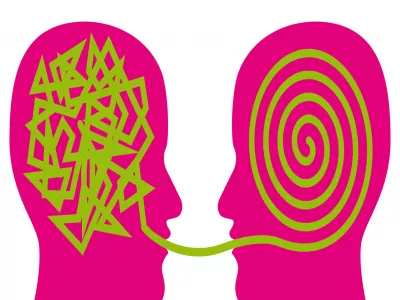
Applied Behavior Analysis (ABA) is a behavioral therapeutic approach based on the principles of behavioral psychology. It focuses on closely observing behavior, analyzing it, breaking it down into small, manageable steps, and then using positive reinforcement to build skills and reduce challenging or unwanted behaviors. ABA is commonly used with children who have autism spectrum disorder, developmental delays, or behavioral difficulties.
Cognitive Behavioral Therapy (CBT), on the other hand, is a structured form of psychotherapy that focuses on the interaction between thoughts, emotions, and behaviors. Its aim is to help individuals identify and modify negative or distorted patterns of thinking, which in turn leads to healthier behaviors and improved emotional well‑being. CBT is widely used in the treatment of depression, anxiety disorders, obsessive–compulsive disorder (OCD), phobias, and various other mental health conditions.
Both ABA and CBT are evidence‑based approaches. However, ABA places greater emphasis on directly shaping and modifying observable behavior in everyday situations, whereas CBT focuses more on changing the internal thought processes that drive those behaviors.
Theoretical foundations of each approach — where did each therapy originate?
Applied Behavior Analysis (ABA) is grounded in the principles of behavior science developed by researchers such as B. F. Skinner. It focuses on how behavior is shaped by environmental factors, reinforcement, and punishment, with the goal of building new skills and reducing maladaptive behaviors. For this reason, it is widely used in working with individuals with Autism Spectrum Disorder (ASD) to teach skills step by step, based on close observation of the person’s behavior and responses.
Cognitive Behavioral Therapy (CBT), on the other hand, traces its roots to the work of Aaron Beck and Albert Ellis. It is based on the premise that thoughts and beliefs have a direct impact on emotions and behavior. Accordingly, CBT targets distorted or unhelpful thinking patterns and emphasizes learning practical strategies to manage conditions such as anxiety, depression, and other mental health disorders.
In this sense, the distinction between ABA and CBT stems from their underlying theoretical models: ABA focuses on analyzing observable behavior within its environmental context, whereas CBT centers on the interplay between thoughts, emotions, and behaviors. This difference in foundations is reflected in the goals of each therapy and the way they are implemented in everyday clinical practice.
Therapeutic Goals — What Does Each Approach Aim to Achieve?

Applied Behavior Analysis (ABA) focuses primarily on modifying behavior by strengthening positive behaviors and reducing maladaptive ones, particularly in children with Autism Spectrum Disorder (ASD). The aim is to enhance communication skills, independence, and the ability to adapt in school and daily life.
Cognitive Behavioral Therapy (CBT), on the other hand, targets irrational thoughts and core beliefs that drive anxiety, depression, panic attacks, and other mental health conditions. Its goal is to restructure negative thinking patterns and improve emotional regulation and the capacity to make healthy decisions.
The difference between ABA and CBT becomes especially clear when looking at their treatment goals: ABA is more concerned with observable behavior and functional skills, whereas CBT focuses on the person’s inner world and how they interpret life events. Despite this, both share a common overarching aim: improving quality of life and enhancing psychological and social adjustment.
Common Methods and Techniques in Each Approach in Line with the Research Aim
In Applied Behavior Analysis (ABA), practitioners rely on structured behavioral strategies such as positive reinforcement to reward desired behaviors, shaping to teach new skills gradually step-by-step, and prompting and fading to initially support the child in performing a behavior and then systematically reduce that support over time. They also use task analysis, breaking complex skills into smaller, manageable steps, along with repeated practice across different situations to help consolidate and generalize the learned behavior.
In Cognitive Behavioral Therapy (CBT), the therapist focuses on cognitive and psychological techniques such as identifying negative automatic thoughts associated with anxiety or depression, and cognitive restructuring to transform distorted or unhelpful thinking patterns into more balanced and realistic ones. CBT also commonly involves gradual exposure to feared situations combined with relaxation training, keeping a therapy journal to record thoughts and emotions, and learning skills for problem-solving and emotion regulation.
Understanding these methods helps parents and clients distinguish between ABA and CBT and select the approach that best suits the needs of the child or adult, in line with the treatment goal—whether it is improving communication and daily living skills in autism through Applied Behavior Analysis, or treating anxiety disorders, depression, and obsessive–compulsive disorder through Cognitive Behavioral Therapy.
Target Groups — Who Benefits from Each Type of Therapy?
Applied Behavior Analysis (ABA) is most commonly used with children diagnosed with Autism Spectrum Disorder (ASD), particularly at younger ages. It helps develop communication skills, reduce challenging or disruptive behaviors, and teach daily living skills in a gradual, step-by-step manner.
By contrast, Cognitive Behavioral Therapy (CBT) is more suitable for adolescents, adults, and older children who are able to express their thoughts and emotions. It is widely used to treat anxiety disorders, depression, obsessive-compulsive disorder (OCD), phobias, and eating disorders.
CBT is especially beneficial for individuals who struggle with recurring negative thoughts that influence their behavior and daily functioning, whereas ABA is often the preferred option for those with developmental or behavioral challenges that require structured, repetitive training.
Choosing between ABA and CBT depends on several factors: the person’s age, whether the primary issue is developmental or cognitive-emotional, and their ability to communicate and understand instructions. For this reason, a thorough assessment by a psychologist or behavioral therapist is essential to determine which approach is most appropriate.
When is it recommended to combine ABA and CBT in the same treatment plan?
Combining Applied Behavior Analysis (ABA) and Cognitive Behavioral Therapy (CBT) is recommended when a child or adolescent has a neurodevelopmental disorder—such as Autism Spectrum Disorder (ASD) or Attention-Deficit/Hyperactivity Disorder (ADHD)—and at the same time presents with co‑occurring psychological difficulties such as anxiety, social anxiety, tantrums or emotional outbursts, or low self‑esteem.
In such cases, ABA is primarily used to build foundational skills, including communication abilities, self‑care and daily living skills, and behavioral regulation, while CBT focuses on restructuring negative thought patterns, managing difficult emotions, and improving social relationships.
It is also advisable to integrate ABA and CBT when the child’s cognitive and language abilities are sufficient to understand dialogue and engage in discussion, allowing them to benefit fully from cognitive–behavioral techniques.
Child psychiatrists and behavioral therapists often recommend an integrated treatment plan in more complex cases where emotional and behavioral problems overlap. The aim is to achieve faster and more stable outcomes, reduce the risk of relapse, and enhance quality of life for both the child and the family.
This carefully planned integration of ABA and CBT should always be carried out under the supervision of a multidisciplinary team to ensure that goals are aligned, strategies are consistent, and progress is monitored on a regular basis.
How do you choose what’s best for your child? Practical steps to make a decision that fits your goals

When deciding between Applied Behavior Analysis (ABA) and Cognitive Behavioral Therapy (CBT) for your child, start by clearly identifying the nature of your child’s difficulties. Are they mainly related to Autism Spectrum Disorder—such as communication challenges and repetitive behaviors—or are they more about anxiety, depression, and negative thinking patterns?
Consult a child psychiatrist or a qualified mental health professional for a comprehensive assessment that includes medical and developmental history, along with standardized tests. This helps determine whether your child is likely to benefit more from an intensive behavioral intervention like ABA, or from CBT sessions that focus on thoughts, emotions, and coping skills.
Ask the specialist to explain the treatment goals, the expected duration of the plan, and how progress will be monitored—using clear indicators such as improved communication and independence, reduction in challenging behaviors, or better mood and self‑confidence.
Review the treatment team’s experience and credentials, and ask how parents are involved in sessions. Both CBT and ABA rely heavily on consistent daily follow‑up at home and on having a unified approach between the family and the therapist.
Compare the options available in your city in terms of cost, number of sessions, level of follow‑up, and how well the treatment goals match your child’s age and developmental stage—rather than simply searching for the “best treatment” in general.
Finally, closely observe your child’s response during the first few weeks. If you notice gradual improvement in behavior or emotional state, along with a therapeutic relationship in which your child feels comfortable, this is a strong sign that your choice between ABA and CBT was appropriate. The plan can always be adjusted later, and in some cases, elements of both approaches may be combined to meet your child’s evolving needs.
Why Are Waad Centers the Optimal Choice for ABA and CBT in Jeddah?
At Waad Centers in Jeddah, children receive a comprehensive program that integrates Applied Behavior Analysis (ABA) with Cognitive Behavioral Therapy (CBT) in a structured, evidence‑based manner, making it an ideal option for parents seeking meaningful, lasting improvements in their children’s behavior and overall quality of life.
The clinical team at Waad consists of licensed specialists with extensive experience in autism spectrum disorder, attention‑deficit/hyperactivity disorder (ADHD), and behavioral and emotional disorders. Each child is provided with an individualized treatment plan based on thorough assessment and guided by the latest scientific research.
ABA is used to modify challenging behaviors and build communication, social, and academic skills, while CBT techniques are incorporated to help the child understand their thoughts and emotions and manage anxiety, anger, and fears in healthier ways.
Waad Centers also place strong emphasis on family involvement through parent counseling and training sessions, ensuring that therapeutic gains are maintained and generalized at home and in school.
This integrated approach, combining ABA and CBT within a safe, therapeutic environment—supported by regular follow‑up, structured monitoring, and clear progress reports—positions Waad Centers among the leading specialized facilities in Jeddah for parents seeking scientifically grounded behavioral interventions and tangible results for their children.
Get in Touch with Waad Centers and Book an ABA or CBT Session Today
If you’re looking for the most effective way to benefit from the differences between Applied Behavior Analysis (ABA) and Cognitive Behavioral Therapy (CBT), you can contact Waad Centers to book a comprehensive assessment that will help determine the most suitable therapeutic approach for your child’s needs or your own.
Waad Center brings together a specialized team of certified ABA therapists and CBT practitioners who follow evidence-based clinical protocols to address Autism Spectrum Disorder (ASD), learning difficulties, anxiety disorders, depression, and behavioral problems.
By booking an ABA session or a CBT session at Waad Centers, you will receive an individualized treatment plan, regular follow‑up, and guidance for the family on how to support therapeutic progress at home and at school.
You can now easily schedule an appointment by calling the center directly or filling out the online booking form. Our team will then contact you to confirm a suitable time for your first session, ensuring a solid starting point for a safe and effective treatment journey.