
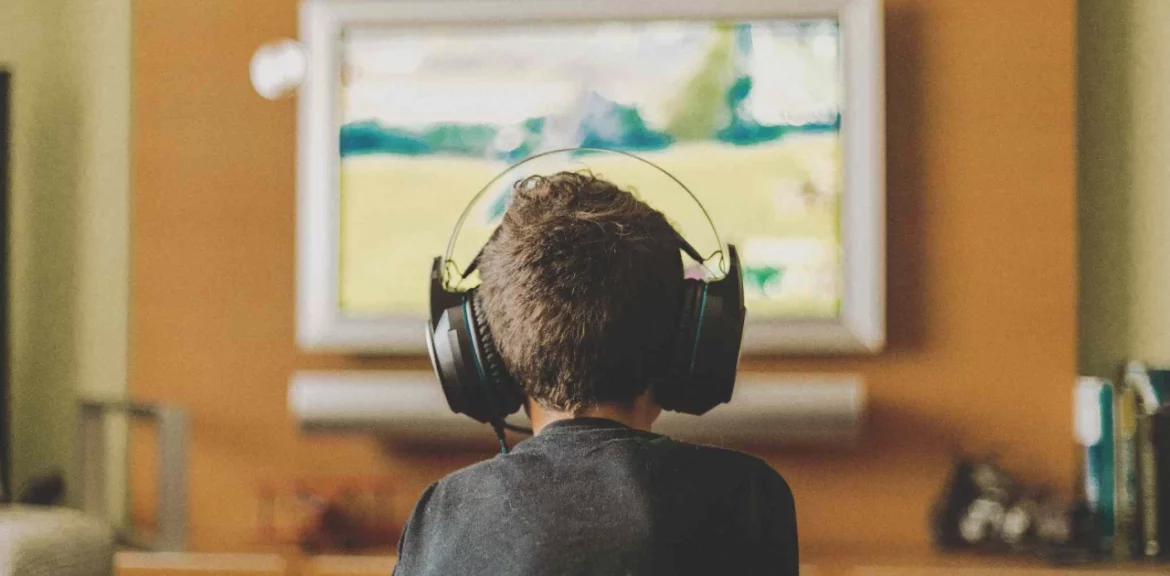

Video game addiction in teenagers is not just a love of gaming or spending a lot of time in front of a screen. It is a problem with self-control, where a teenager loses the ability to regulate how much they play, even when they know it is harming their school performance, health, and family and social relationships.
Table of Contents
Specialists describe this problem as excessive and persistent use of digital games (on phones, computers, or gaming consoles) to a degree that leads to:
- Finding it very hard to stop playing or cut back, even when they try.
- Continuing to play despite clear negative consequences, such as falling grades or lack of sleep.
- Prioritizing games over eating, sleeping, other hobbies, and connecting with family and friends.
In these situations, games shift from being a healthy source of entertainment to a way of escaping reality or uncomfortable emotions, such as anxiety, loneliness, or academic pressure. Over time, the teenager may become increasingly dependent on gaming to feel better.
Not every teenager who enjoys games has an addiction. It is considered an addiction when gaming becomes a compulsive behavior that feels out of control and clearly interferes with everyday life. If you suspect this might be happening, it is best to consult a mental health professional or a physician experienced with adolescents for a thorough assessment.
Why Are Teenagers More Vulnerable to Video Game Addiction?
Adolescence is a period of rapid brain and body changes, when young people are searching for pleasure, identity, and a sense of belonging. Video games offer an attractive mix of excitement, challenge, and social interaction. Because of this, teenagers can be more likely than adults to develop addictive patterns of play when certain factors are present.
Some of the main reasons video game addiction is more common in teenagers include:
1. Brain changes during adolescence
In the teenage years, the brain’s reward and pleasure centers are highly active, while the areas responsible for planning and self-control (such as the prefrontal cortex) are still maturing. This can make a teenager:
- Strongly drawn to the instant rewards games offer (points, levels, badges, prizes).
- Struggle more than adults to stop or manage their time while playing.
2. Need for belonging and identity
Video games, especially online multiplayer games, can create a powerful sense of belonging to a team or virtual community. Teenagers may turn to games:
- To feel accepted and valued by online friends.
- To build an identity as a “skilled player” when they do not feel successful or appreciated at school or in everyday life.

3. Escaping pressure and difficult emotions
Teenagers face academic pressure, emotional and physical changes, and sometimes family or social problems. Games can become a way to escape from:
- Anxiety, sadness, or loneliness.
- Feelings of failure or constant comparison to others.
Using games as an emotional escape increases the risk that gaming will become addictive, especially if the teenager has not learned healthier ways to cope with feelings.
4. Easy access and lack of clear limits
Smartphones, fast internet, and low-cost or free-to-play games make gaming available at any time. When there are no clear family rules about screen time or device use, and there are few enjoyable offline activities, a teenager is more likely to spend many hours gaming without noticing how much time has passed.
5. Games designed to keep players hooked
Many modern games are intentionally designed to keep players engaged for as long as possible by using features such as:
- Frequent updates and daily challenges.
- Layered reward systems that make players feel they are always “close” to the next goal.
- Competitive elements that trigger a fear of “falling behind” friends in the game.
These design elements are especially powerful for teenage brains that naturally seek excitement and quick achievements.
When biological, psychological, and social factors like these come together, it becomes easier for normal gaming to turn into an addictive pattern that affects school performance, relationships, and mental health if it is not noticed and managed early.
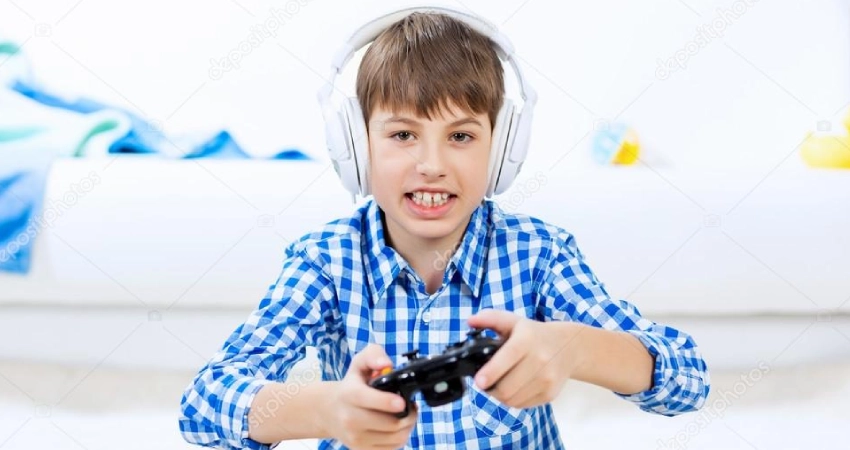
Signs of Video Game Addiction in Teenagers
The signs of video game addiction in teenagers usually appear gradually. Early on, it can be hard to tell the difference between normal enthusiasm for games and problematic use that needs attention. What often worries parents most is how their teenager’s behavior changes around schoolwork, family life, sleep, and other interests.
Common warning signs that may suggest a problem include:
- A noticeable increase in gaming hours, with strong difficulty stopping or sticking to agreed time limits.
- Constant preoccupation with the game — thinking about it at school, during meals, or before falling asleep.
- Choosing games over almost any other activity, such as going out with friends, playing sports, or previous hobbies.
- Strong emotional reactions (anger, irritability, aggression) when asked to stop playing or cut down.
- Neglecting schoolwork, a sudden drop in grades, or not completing homework and assignments.
- Sleep problems, such as staying up very late to play, waking up at night to game, and feeling exhausted in the morning.
- Reduced communication with the family, spending long periods alone in their room with the door closed, or hiding the screen.
- Lying about how long they play, or hiding devices, apps, or game-related purchases.
- Continuing to play even when there are obvious problems, such as frequent complaints from school or conflicts with friends.
- Noticeable mood changes, such as depression, anxiety, or loss of interest in anything that is not related to gaming.
Having one or two of these signs does not automatically mean a teenager is addicted. However, seeing several signs repeatedly, along with clear effects on school, sleep, or relationships, is a reason to consult a mental health professional or adolescent behavior specialist for a proper evaluation.
How Does Video Game Addiction Affect Teenagers?
Video game addiction in teenagers is about more than “wasted time.” It can affect multiple areas of a young person’s life: mental health, physical health, social relationships, and education. The severity of these effects varies from one teenager to another, but understanding them can help parents recognize the seriousness of the problem and act early.
1. Impact on mental health
Spending many hours gaming may be linked to increased anxiety and depression, especially when games are used to escape real-life problems at school, at home, or with peers. A teenager may show:
- Rapid mood swings and increased irritability.
- Feeling empty or extremely bored when they are not playing.
- Low self-esteem, particularly when their real-life achievements feel much smaller than their in-game success.
In some cases, highly competitive or violent games may add to inner tension. If emotional difficulties are intense or long-lasting, a professional mental health assessment can be important.
2. Impact on school and learning
Video game addiction in teenagers often shows up clearly in their academic performance. Common signs include:
- Falling grades and difficulty concentrating in class or while studying.
- Putting off homework and projects in order to play.
- Staying up late to game and going to school tired and unfocused.
Over time, a teenager may lose motivation to learn and start comparing the quick sense of achievement in games with the slower, harder work required at school, which can further increase their dislike of studying.
3. Impact on social and family relationships
Excessive gaming can gradually distance a teenager from their family and offline friends. They may prefer screen time to family meals or outings with peers. Possible consequences include:
- Social withdrawal and avoiding family gatherings or social events.
- Frequent arguments with parents about gaming time and device use.
- Relying mainly on online contacts or superficial relationships instead of building deeper, real-world friendships.
This isolation can limit the teenager’s chance to develop important social skills, such as face-to-face communication, empathy, and conflict resolution.
You may also be interested in: The Difference Between Normal Anxiety and Anxiety Disorder: When Should You Seek Help?
4. Impact on physical health and sleep
Sitting for long periods in front of a screen, especially during adolescence, can lead to physical problems such as:
- Neck, back, or hand pain from poor posture and repetitive movements.
- Weight gain or obesity because of lack of physical activity and frequent snacking while playing.
- Eye strain and frequent headaches from prolonged screen focus.
Late-night gaming also affects sleep quality. Many teenagers go to bed late or wake up during the night to play, leading to chronic tiredness, poor concentration during the day, and a negative impact on mood, learning, and overall health.

When Does Gaming Become a Disorder That Needs Help?
Daily gaming does not automatically mean a teenager has an addiction. Many young people enjoy games without serious harm to other parts of their lives. Gaming becomes a disorder that needs help when it takes over as the main focus of life at the expense of school, sleep, health, and social relationships.
Signs that gaming has become a serious problem requiring intervention include:
- Playing for many hours every day and being clearly unable to stop or cut back, despite previous attempts.
- A marked decline in school performance, frequent absences, or loss of interest in activities they used to enjoy.
- Strong mood changes, such as extreme irritability, intense emotional outbursts, or low mood when gaming time is limited.
- Insisting on gaming late into the night at the cost of sleep, along with ongoing tiredness, headaches, or body aches linked to long sitting.
- Lying about gaming time, hiding devices, or deleting histories to avoid being noticed by parents.
- Continuing to play despite clear negative consequences, such as ongoing family conflict, losing friends, or warnings from school.
If several of these signs are present and continue for weeks or months, clearly disrupting the teenager’s daily life, it is advisable to seek help from a child and adolescent mental health specialist. The severity of video game addiction varies widely, so a professional evaluation helps determine the best support and treatment plan.
How Can Parents Deal With Video Game Addiction?
Responding to video game addiction in teenagers requires a balance of firmness and emotional support. The goal is not to ban games completely, but to help teenagers use them in a healthier way and reduce their negative impact on school, sleep, and relationships.
The following steps can help:
1. Build calm, non-judgmental communication
Instead of shouting or using sudden punishment, try to understand what draws your child to the game. Is it an escape from school pressure? A sense of achievement? Online friendships?
Ask open-ended questions such as, “What do you like most about this game?” and listen without interrupting. This opens the door for cooperation rather than conflict.
2. Set clear, consistent rules for use
Agree together on:
- How many hours of gaming are allowed per day or per week.
- Times when gaming is off-limits (for example, during meals, before bedtime, during family time, or in exam periods).
- Where devices can be used (for example, avoiding gaming consoles or computers in the bedroom when possible).
It helps to have the rules written down and visible, and to apply them as consistently as possible to all children in the household according to their age.
Read more about: Depression Symptoms in Teenagers: How to Recognize the Signs and When to Seek Help
3. Link gaming time to responsibilities
Explain that gaming time is a privilege connected to responsibilities such as:
- Completing homework and school assignments.
- Doing agreed household chores.
- Sticking to a reasonable bedtime.
If responsibilities are not met, reducing gaming time becomes a logical consequence rather than a sudden, harsh punishment.
4. Provide attractive offline alternatives
A teenager who has no enjoyable activities outside of screens will naturally return to games. Support them to:
- Join a sport or physical activity they like, or a local club or team.
- Develop hobbies such as drawing, music, coding or robotics outside of pure gaming.
- Take part in safe social activities with peers of a similar age.
The more meaningful and fun offline options they have, the less likely they are to become overly attached to games.
5. Be a role model for healthy device use
It is difficult to convince a teenager to reduce screen time if they see their parents constantly on their phones. Try to:
- Set “screen-free times” for the whole family, such as during meals or for an hour in the evening.
- Show interest in non-digital activities: reading, talking together, or going out as a family.
6. Monitor mental health and school performance calmly
Gaming addiction may sometimes hide deeper problems like depression, anxiety, bullying, or family conflict. Pay attention to:
- Persistent mood changes or social withdrawal.
- Sudden drops in grades or loss of interest in school.
- Changes in sleep patterns or appetite.
If you notice ongoing deterioration, it is advisable to seek an assessment from a child and adolescent mental health professional, as each case is different.
7. Avoid violence and humiliation
Suddenly confiscating devices, yelling, or mocking the teenager often increases defiance and withdrawal. Instead, try to:
- Use consequences that are gradual and clearly connected to behavior, agreed upon ahead of time whenever possible.
- Focus on the behavior (excessive gaming) rather than on your child’s character (for example, avoid calling them “lazy” or “addicted” as a label).
By taking these steps, parents can reduce the risk of video game addiction in teenagers and build a relationship of trust that makes it easier to seek professional help if needed.

When Does a Teenager Need Professional Treatment?
A teenager is more likely to need professional treatment when video game addiction has moved beyond what the family can manage, and is clearly affecting their mental health, behavior, and daily life. At this stage, simply limiting screen time or adding new rules at home is often not enough, and expert support becomes important.
Warning signs that it may be time to seek professional help include:
- Persistently playing for very long hours despite repeated attempts by the family to set limits.
- Serious academic decline, leaving school, or frequent unexplained absences.
- Severe social withdrawal, such as stopping meeting friends or dropping previously enjoyed activities.
- Major mood changes: depression, anxiety, intense anger, or aggression when asked to stop playing.
- Sleep or appetite problems, or frequent unexplained physical complaints (such as headaches or stomachaches).
- Using games mainly to escape deeper emotional issues, such as bullying, intense family conflict, or persistent loneliness.
- Risky or illegal behaviors to get money for games, in-game purchases, or subscriptions.
If several of these warning signs persist for weeks or months, or if parents feel unable to manage their teenager’s behavior despite consistent efforts, it is advisable to book an appointment with a child and adolescent psychiatrist or psychologist. A tailored, professional assessment helps identify the severity of the problem and the most suitable treatment approach for that individual teenager.
Read More About: When Does a Child Need a Psychological Evaluation? Signs You Shouldn’t Ignore
How Can Treatment Help Overcome Video Game Addiction?
Treatment for video game addiction is not only about cutting down screen time. It focuses on changing how the teenager thinks, manages stress, relates to others, and meets their emotional needs in healthier ways. The exact approach depends on the severity of gaming addiction and whether there are associated problems like anxiety or depression.
Many professionals use cognitive behavioral therapy (CBT), which helps teenagers understand the links between their thoughts, feelings, and behaviors. For example, they may explore beliefs like “the game is the only place where I feel successful” and work on replacing them with more realistic and healthy thoughts.
Therapy can also help with:
- Gradually reducing and restructuring device and gaming use instead of abrupt bans that may increase resistance and stress.
- Teaching time-management skills and helping the teenager set priorities around schoolwork, sleep, physical activity, and leisure.
- Building communication and problem-solving skills so the teenager is less likely to escape into the virtual world whenever they face difficulties.
In many cases, the therapist involves parents in family or parent-guidance sessions. These sessions can help caregivers:
- Set clear, consistent rules around gaming and device use.
- Respond more calmly to conflict and resistance.
- Strengthen emotional connection and a sense of safety at home.
Progress with treatment is usually gradual and requires patience and commitment from both the teenager and the family. Regular follow-up with the specialist allows the treatment plan to be adjusted as needed, recognizing that each teenager’s situation and response to therapy are unique.
Get Professional Support If Gaming Is Affecting Your Child’s Life
Seeking professional help is not a sign of failure in parenting. It is a responsible, proactive step to protect your child’s mental and physical health. When video game use in teenagers starts to cause problems with school performance, sleep, mood, or family relationships, early intervention can make treatment easier and reduce the risk of a more severe addiction developing.
You can start by contacting:
- A child and adolescent psychiatrist.
- A cognitive behavioral therapist (CBT) experienced in behavioral addictions.
- Clinics or centers that specialize in technology or gaming-related addictions, where available.
Before your first appointment, it may be helpful to note:
- How many hours a day your child usually plays.
- Previous attempts to limit gaming and how your child reacted.
- Changes you have noticed in mood, sleep, appetite, school performance, and relationships.
A professional assessment can help to:
- Determine whether your child’s gaming behavior is within normal limits or has reached a level that requires treatment.
- Develop a realistic treatment plan tailored to your child’s personality and your family’s circumstances.
- Guide you, as a parent, on how to set healthy boundaries without constant conflict or overly harsh punishment.
Every teenager is different. What works well for one may not be right for another. Consulting a qualified professional is often the safest and most effective way to address video game addiction in teenagers and protect them from its long-term consequences.