

As children grow and develop, they may experience behavioral, emotional, or learning challenges that are part of normal development. However, when certain difficulties persist or begin to affect a child’s daily life, relationships, or academic performance, parents often start to wonder: Does my child need a psychological evaluation?
A psychological evaluation helps professionals better understand a child’s strengths, challenges, and developmental needs. It provides valuable insights that can guide parents, educators, and specialists toward the most appropriate support strategies. Recognizing the signs early can make a significant difference in a child’s growth, learning, and overall well-being.
Why Might a Child Need a Psychological Evaluation?
A psychological evaluation is not only used to diagnose disorders. It is a comprehensive assessment that helps identify factors affecting a child’s behavior, learning, emotions, or social development.
The goal is to gain a clearer understanding of the child’s needs and provide recommendations that support healthy development and long-term success.

Ongoing Learning Difficulties Despite Effort
Children learn at different rates, but persistent academic struggles may indicate the need for further evaluation.
Some warning signs include:
- Difficulty learning reading or writing skills.
- Challenges understanding or retaining information.
- Consistently low academic performance.
- Trouble completing school assignments.
- Significant differences between the child’s abilities and academic achievement.
A psychological evaluation can help determine whether learning difficulties are related to specific learning disorders or other underlying factors.
Attention and Hyperactivity Concerns
Some children have difficulty maintaining attention or controlling impulsive behavior, which can affect both school performance and daily life.
Common signs include:
- Frequent distractibility.
- Difficulty completing tasks.
- Excessive forgetfulness.
- Constant movement or restlessness.
- Acting before thinking.
- Difficulty following instructions.
When these behaviors become persistent and interfere with functioning, a professional evaluation may be beneficial.
Noticeable Emotional or Behavioral Changes
Occasional emotional ups and downs are normal during childhood. However, ongoing emotional or behavioral difficulties may require further attention.
Examples include:
- Frequent and intense temper outbursts.
- Excessive anxiety or fears.
- Persistent sadness or withdrawal.
- Increased irritability.
- Difficulty managing emotions.
A psychological evaluation can help identify the causes of these challenges and guide appropriate support.
Difficulties with Communication and Social Interaction
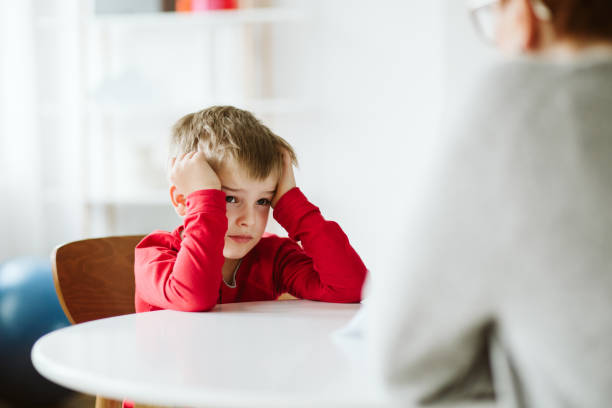
Social skills play an important role in a child’s development. Some children may struggle with communication or relationships in ways that warrant evaluation.
Possible signs include:
- Difficulty making or maintaining friendships.
- Avoiding social situations.
- Limited eye contact.
- Challenges understanding social cues.
- Frequent conflicts with peers or family members.
Early identification can help children develop stronger communication and social skills.
Developmental or Language Delays
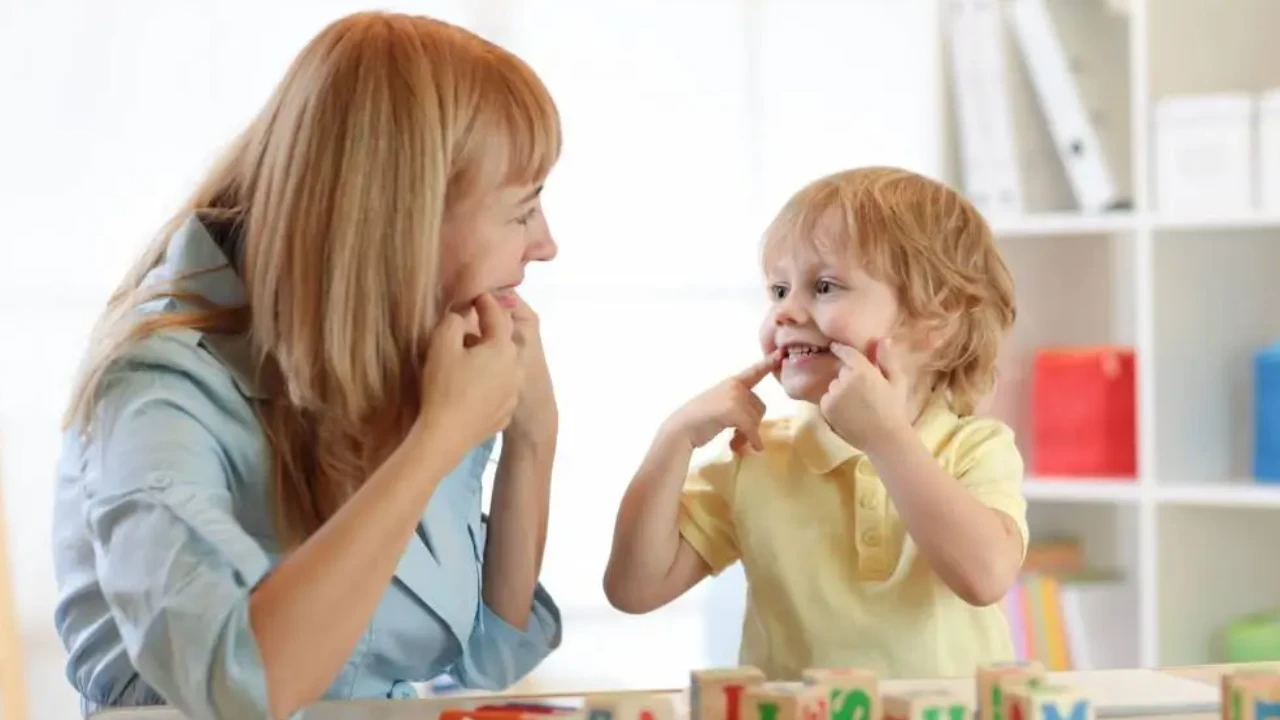
Children reach developmental milestones at different times, but significant delays may indicate the need for a professional assessment.
Potential indicators include:
- Delayed speech and language development.
- Limited vocabulary for the child’s age.
- Difficulty expressing thoughts or needs.
- Delayed developmental skills.
- Challenges understanding or following instructions.
An evaluation can help determine the nature of the delay and identify appropriate intervention options.
When Is a Psychological Evaluation Necessary?
Parents may want to consider a psychological evaluation when difficulties:
- Persist for several months.
- Affect academic performance.
- Interfere with social relationships.
- Cause significant stress for the child or family.
- Continue to worsen over time.
Seeking support early often leads to better outcomes and more effective intervention.
How Can Families Benefit from Early Evaluation?
A psychological evaluation provides families with valuable information that can guide decision-making and support planning.
Benefits may include:
- Understanding the root causes of difficulties.
- Identifying the child’s strengths and abilities.
- Receiving professional recommendations.
- Developing an individualized support plan.
- Reducing uncertainty and parental stress.
How Can You Schedule a Psychological Evaluation at Waad Centers?
At Waad Centers, psychological evaluations are conducted by experienced specialists using evidence-based assessment methods and modern evaluation tools.
Each child receives an individualized assessment designed to provide a comprehensive understanding of their unique strengths and needs, along with practical recommendations for ongoing support.
Book Your Child’s Psychological Evaluation at Waad Centers
If you have noticed ongoing challenges in your child’s learning, behavior, emotional well-being, or social interactions, a psychological evaluation may be the first step toward understanding their needs more clearly.
At Waad Centers, our specialists are committed to helping children and families access professional assessments and personalized support plans that promote healthy development and long-term success.