


What Do Speech Therapy Outcomes for Children Mean?

Speech therapy outcomes for children refer to the tangible improvements in a child’s ability to speak and communicate after a period of intervention with a speech and language therapist. These outcomes include clearer articulation of sounds and words, an expanded vocabulary, better sentence construction, improved ability to follow instructions, and greater confidence in expressing needs and emotions.
They also reflect positive changes in the child’s social behavior, such as increased interaction with family members and peers, fewer tantrums related to difficulty expressing themselves, and better academic performance in language-based tasks.
These outcomes do not always mean a complete resolution of the child’s difficulties. In many cases, progress is gradual and monitored against an individualized treatment plan tailored to each child, with regular assessments of their speech and language skills.
Tracking outcomes helps both parents and professionals evaluate how effective the speech therapy program is, and decide whether the treatment plan needs to be adjusted, intensified, or continued as it is, in order to help the child reach the best possible level of communication.
When Do Speech Therapy Results Usually Appear in Children?
| Early outcomes in the first few weeks
Typically, the initial effects of pediatric speech therapy begin to appear within the first few weeks of starting the treatment program, but they are usually subtle rather than dramatic.
Parents may notice that the child is paying more attention to surrounding sounds, responding more consistently to their name, showing slight improvement in eye contact, or making more attempts at vocal imitation.
You may also see changes in the child’s behavior during speech therapy sessions, such as being able to sit still for longer, or interacting more with the speech‑language pathologist (SLP). All of these are early indicators that therapy is moving in the right direction.
These early outcomes do not mean that the final therapeutic goals have been achieved, but they are encouraging signs that illustrate when speech therapy results usually start to appear in children, and they help families stay committed to the treatment plan.
| Progress over the first 3 months
During the first 3 months of speech therapy, results usually become clearer and more consistent compared with the early weeks.
At this stage many children begin to use a wider range of sounds, produce single words, or articulate words they already use more clearly.
Parents also tend to observe improvement in nonverbal communication skills such as pointing, requesting items, and following simple instructions, all of which are essential building blocks for language development.
The first three months are often considered a key reference point for understanding when speech therapy results typically appear in children, as they reflect how well the child is responding to the intervention and how effective home practice and family follow‑up have been.
| Intermediate outcomes between 3 and 6 months
Between 3 and 6 months after starting speech therapy, intermediate outcomes usually emerge, and families often notice more tangible changes in the child’s everyday communication.
The child may start forming simple sentences, expanding their vocabulary, and speaking more intelligibly so that people outside the immediate family can understand them more easily.
Receptive language also tends to improve; the child can follow more complex directions and engage more appropriately in social situations, such as playing with peers or answering questions.
This period offers a relatively clear picture of when speech therapy results usually become noticeable in children, as the cumulative impact of regular sessions and repeated practice starts to show at home, in school, and in the child’s wider environment.
| Long‑term outcomes after 6 months or more
After 6 months or more of consistent speech therapy, long‑term outcomes begin to consolidate, and these are the most important in terms of language and communication development.
At this stage, the child may make substantial progress in producing more challenging sounds, constructing more complex sentences, and expressing their needs and emotions with greater confidence.
There are also long‑term benefits in academic and social functioning, such as improved participation in class, taking part in conversations, and a reduction in behavior problems that stem from communication difficulties.
The time needed to reach these outcomes varies from one child to another depending on the severity of the disorder, age, therapy intensity, and family involvement. However, this phase highlights that the results of pediatric speech therapy are usually cumulative and require patience and continuity to maximize the child’s potential in speech and language skills.
What Factors Influence the Outcomes of Speech Therapy Sessions for Children?
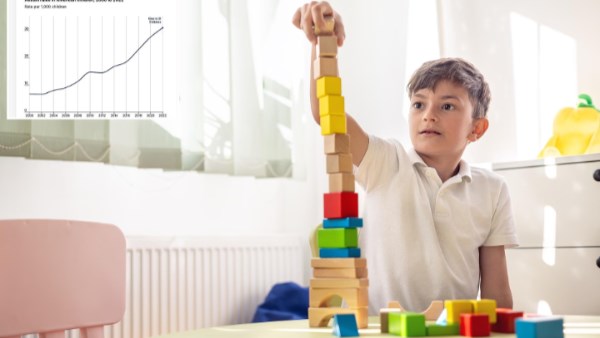
The effectiveness of speech therapy in children is shaped by several interrelated factors. One of the most important is the child’s age at the start of intervention: the earlier therapy begins, the better the chances for faster and more significant improvement in speech and language skills.
The type and severity of the speech or language disorder also play a central role. Mild articulation or language difficulties often respond relatively quickly, whereas more complex conditions—such as speech delay associated with developmental disorders—usually require a longer timeframe and a more comprehensive treatment plan.
Another critical factor is how consistently parents follow through with home-based practice and apply the speech therapy exercises between sessions. Regular practice, repetition, and reinforcement are essential for consolidating newly acquired skills.
The level of collaboration between the speech-language pathologist and the parents, the clarity of therapeutic goals, and the child’s overall language environment at home, in daycare, or at school are equally important. Exposure to rich, correct language models and clear speech in everyday settings significantly supports the child’s progress.
Medical comorbidities such as hearing loss, autism spectrum disorder, or global developmental delay cannot be overlooked. These conditions may slow the rate of improvement, but they do not rule out positive outcomes—provided they are identified early and appropriately integrated into a tailored speech therapy plan.
What Are the Signs That Speech Therapy Is Working?
Increased Vocabulary Usage
One of the most important indicators of successful speech and language therapy in children is a gradual increase in the number of words the child uses in daily life.
You may notice that the child starts to use newly learned words from speech therapy sessions at home and at school, and not only during the session with the speech-language pathologist (SLP).
Families often observe that the child is relying more on spoken words and a wider variety of vocabulary, instead of using pointing, gestures, or remaining silent to express wants and needs.
This growth in vocabulary reflects progress in both receptive language skills (understanding what is said) and expressive language skills (using words and sentences), and indicates that the speech and language treatment plan is moving in the right direction.
Clearer Sound and Word Production
A clear sign that speech therapy is working is when the child’s pronunciation of sounds and words becomes more intelligible and easier for others to understand.
Parents may notice that the child is making fewer articulation errors, or that words that were previously distorted or mispronounced are now sounding much closer to the correct production.
As the accuracy of sound production and articulation improves, the child will need less help from others to “interpret” what they are saying. This is a strong, positive indicator of the effectiveness of speech therapy sessions and the overall speech and language intervention plan.
Better Ability to Express Needs
A key marker of progress in speech and language therapy is when the child becomes more able to clearly and quickly express basic needs such as hunger, thirst, pain, or the desire to play.
Instead of crying, getting frustrated, or showing confusing behaviors, the child starts to use single words or short, meaningful phrases to explain what they want.
This improvement in expressive communication reduces tantrums and stress for both the child and the parents, and confirms that the child’s functional communication skills are improving in everyday situations, not only in the therapy room.
Improved Interaction with Family and Peers
The success of speech and language therapy also appears in the way the child interacts with people in their environment.
The child may begin to take part in short conversations, respond when their name is called, answer simple questions, and join in play activities with siblings and peers.
You may see more eye contact, shared smiles, turn-taking, and brief comments during daily routines. All of these changes point to better social communication skills, which are among the core goals of pediatric speech and language intervention.
Increased Confidence in Communication
When speech and language therapy is effective, it is reflected in the child’s confidence while speaking.
The child becomes more willing to try, experiment, and participate in conversations, with less fear of making mistakes or being mocked, and starts to initiate speech instead of relying on silence or very short answers.
Parents may also notice that the child seems more comfortable talking in front of unfamiliar people or in new situations. This suggests that gains in language and speech skills are accompanied by improvements in the emotional and psychological aspects of communication, such as self-esteem and confidence in social interaction.
How can parents help speed up progress in speech therapy?
When Should the Treatment Plan Be Reassessed?
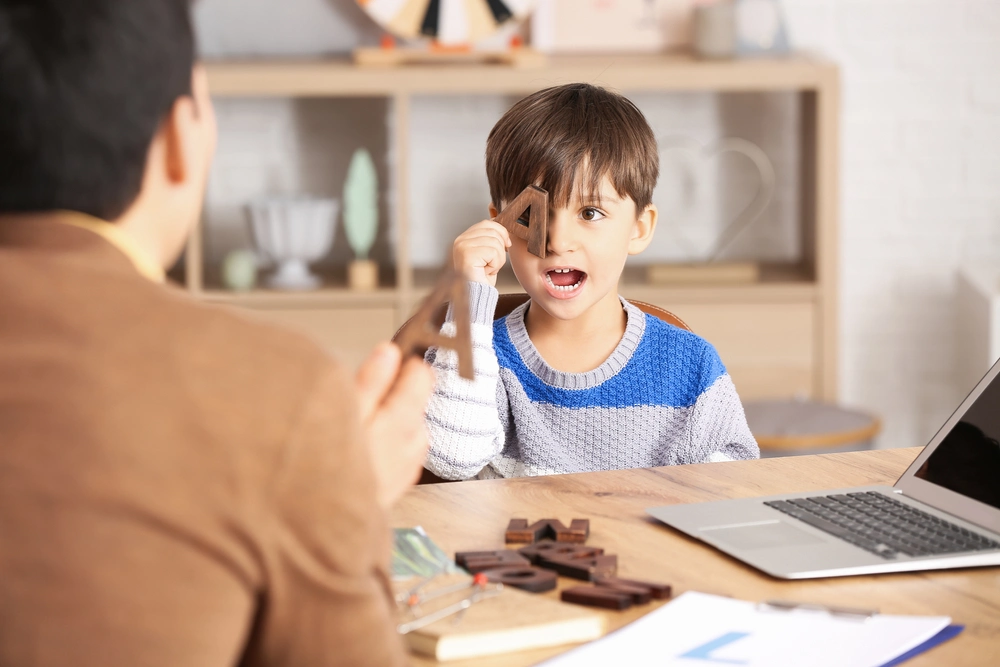
Reassessing a child’s speech and language therapy plan is essential to ensure that intervention is progressing in the right direction and that the agreed-upon goals with the family are being met.
It is generally recommended to review the treatment plan every 3–6 months, or sooner if the child is not showing meaningful progress in speech sound production, language comprehension, or social communication skills compared to what is expected for their age.
The speech-language therapist may need to adjust the plan if the same speech sound errors persist with little or no improvement, if the child continues to rely on gestures instead of spoken words, or if new language difficulties emerge, such as problems forming clear, meaningful sentences or following simple instructions.
Reassessment is also indicated when significant changes occur in the child’s life, such as moving to a new school or receiving an additional medical or developmental diagnosis (e.g., Autism Spectrum Disorder or Attention-Deficit/Hyperactivity Disorder). Such factors can influence therapy outcomes and make it necessary to adapt both goals and intervention strategies.
Regular re-evaluation, using standardized assessments alongside reports from parents and teachers, helps enhance the effectiveness of therapy and ensures that each speech and language session contributes as much as possible to the child’s linguistic and communication development.
An Approximate Timeline for Noticing Results from Speech Therapy in Children
The timeframe for seeing progress from speech therapy varies from one child to another. However, with consistent attendance and regular home practice, parents can usually observe some general milestones.
Within the first 4–6 weeks, initial changes may appear, such as:
- Increased attention and engagement during sessions
- Better eye contact and response to sounds
- Improved response to their name and to simple instructions
After around 3 months of regular speech therapy, families often notice clearer improvements in communication skills, for example:
- More attempts to imitate sounds
- Using single words more accurately and more often
- Reduction in some speech sound errors
Over a period of 6 months to a year, with a therapy plan that is appropriate for the child’s age and specific condition, further developments may include:
- Growth in vocabulary
- Better sentence structure
- Improved fluency and ability to express needs and emotions
- Progress in social communication skills, such as initiating conversation and participating more with others
It is important to remember that outcomes from speech therapy in children depend on several key factors, including:
- The age at which intervention begins
- The nature of the difficulty (e.g., simple language delay, articulation disorder, autism spectrum disorder, hearing impairment, etc.)
- The number of sessions per week
- How consistently the family follows through with exercises at home
For this reason, this “approximate timeline for noticing speech therapy results” should be seen only as a general guide. The speech-language pathologist designs an individualized treatment plan and updates it regularly based on the child’s actual progress.
Common Mistakes That May Delay Speech Therapy Progress
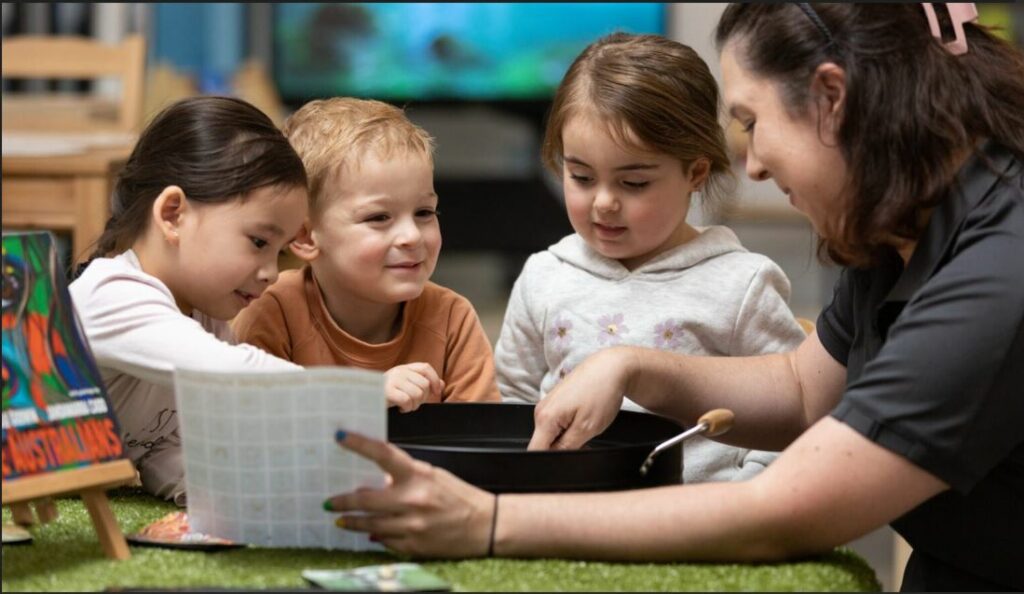
One of the main factors that can slow children’s progress in speech therapy is relying solely on the sessions with the speech-language pathologist and not practicing the exercises at home. Speech and language intervention depends on daily repetition in real-life situations for progress to become clearly noticeable.
Some parents also fall into the trap of comparing their child’s speech development to siblings or peers, which often leads them to switch therapists or change the treatment plan too quickly, without allowing enough time for it to be effective.
Missing follow-up appointments, repeatedly interrupting the course of therapy sessions, or delaying early intervention under the assumption that “the child will talk on their own” are all well-documented reasons for slow improvement in speech and language skills.
In addition, exposing the child to multiple languages at an early stage without structure, speaking too quickly or using overly complex sentences in front of the child, or correcting their speech errors in a harsh or mocking way can create psychological pressure, lower self-esteem, and reduce the child’s responsiveness to speech therapy tasks.
For these reasons, family adherence to the speech therapy plan, ongoing communication with the speech-language pathologist, and creating a healthy language environment at home are key factors in accelerating progress and ensuring that children benefit as much as possible from each therapy session.
How do Waad Centers monitor children’s speech therapy outcomes?
At Waad Centers, children’s progress in speech and language therapy is monitored through an individualized treatment plan that begins with a comprehensive assessment of language level, speech sound production, and overall communication skills, followed by setting clear, time‑bound goals for each child.
Progress is then tracked regularly using standardized speech and language assessment tools and structured observation reports during therapy sessions, comparing current performance with baseline data to detect improvements in articulation, vocabulary development, receptive and expressive language, and the child’s ability to understand and follow instructions.
Speech-language pathologists at Waad Centers actively involve parents in monitoring outcomes by providing regular written reports and parent counseling sessions to explain achieved goals and highlight areas that need further practice at home.
The treatment plan is continuously adjusted according to the child’s response to intervention, to ensure the best possible outcomes, with an emphasis on consistency and carryover across the clinic, home, and school environments, so that gains in speech and language skills are meaningful and long‑lasting.
Book a Speech Therapy Appointment for Children at Waad Centers – Optimized for Search Intent
If you’ve noticed that your child is experiencing delayed speech, difficulty pronouncing sounds, or challenges in communication, you can now easily book a pediatric speech therapy appointment at Waad Centers. Your child’s treatment journey will begin with a comprehensive assessment and an individualized therapy plan tailored to their specific needs.
Our speech-language pathologists (SLPs) follow the latest evidence-based clinical protocols to:
- Improve articulation and speech sound production
- Develop vocabulary and language skills
- Enhance receptive and expressive language abilities
We also provide continuous monitoring to track your child’s progress after each speech therapy session, step by step.
At Waad Centers, we offer a safe, engaging, and supportive environment that encourages your child’s participation and steady improvement. Parents receive clear guidance and home-program exercises to help continue the therapeutic activities at home, ensuring the best possible outcomes in the shortest time.
You can book an appointment now via direct call or through our online booking system, choose the time that suits you, and start your child’s speech and language therapy program at the nearest Waad Center with a specialized team in pediatric speech and language disorders.