





مراكز وعد الطبية

Stimulant Addiction Treatment in Jeddah: A Comprehensive Medical

At Waad Center, we provide a specialized stimulant addiction treatment program in Jeddah that combines medical detoxification, psychiatric evaluation, cognitive behavioral therapy, and long-term relapse prevention. Whether you’re struggling with Captagon, amphetamine, methamphetamine, or prescription stimulant abuse, our team helps you reclaim control of your life in a discreet, judgment-free environment.

What Are Stimulants and How Does Addiction Develop?

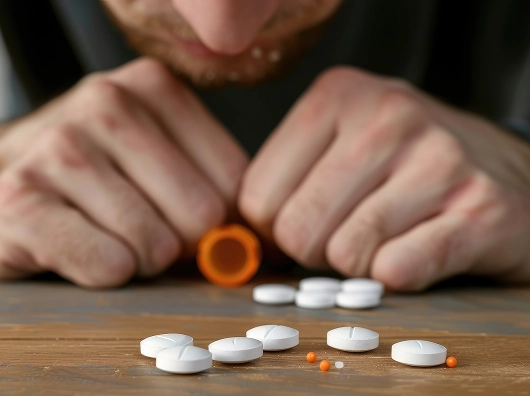
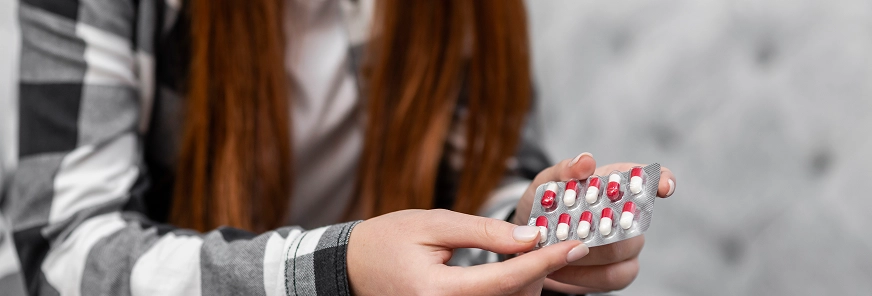
Stimulants are psychoactive substances that accelerate central nervous system activity by flooding the brain with dopamine and norepinephrine. They produce temporary feelings of energy, alertness, and confidence — but at a serious cost. The most commonly abused stimulants include Captagon (fenethylline), amphetamines, methamphetamine (“crystal meth”), and prescription medications like Ritalin and Adderall when misused.

علاج إدمان الحبوب المنشطة

How We Guide You Through Recovery — Step by Step

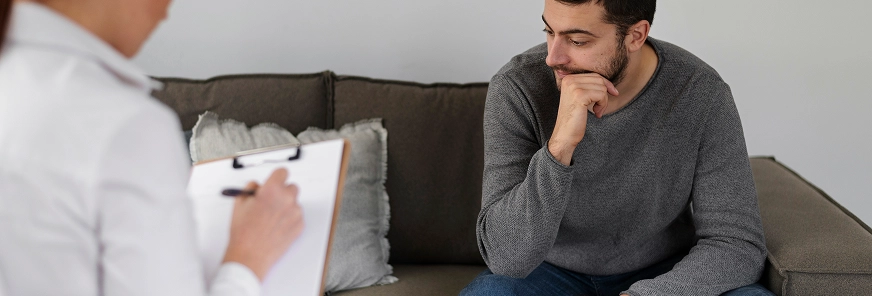
Our approach begins with a thorough medical and psychological assessment to identify the substance involved, the duration and intensity of use, and any co-occurring conditions. From there, we build a personalized treatment plan that includes medically supervised detox, evidence-based therapy, treatment for underlying mental health issues, and structured aftercare. Our goal isn't simply abstinence — it's lasting psychological and behavioral stability.

Comprehensive medical and psychological assessment

Safe, supervised detoxification

Cognitive behavioral therapy (CBT) sessions

Ongoing follow-up and relapse prevention

Stimulant Addiction Treatment Programs at Waad Center

We offer a full spectrum of treatment programs tailored to the severity of each case:

Stimulant Addiction Treatment

نساعد الأطفال الذين يعانون من تأخر في النمو الحركي على تطوير مهاراتهم الأساسية مثل الجلوس، الزحف، والوقوف، من خلال برامج علاجية تدريجية ومدروسة.

Amphetamine and methamphetamine rehabilitation

مساعدة الطفل على تنظيم استجاباته الحسية والتفاعل مع البيئة بشكل أفضل.

Treatment for prescription stimulant misuse (Ritalin, Adderall)

تعليم الطفل مهارات الاستقلال مثل الأكل، اللبس، والعناية الذاتية.

Medically supervised detox programs

تمارين تساعد الطفل على زيادة التركيز وتقليل التشتت.

Cognitive Behavioral Therapy (CBT) for addiction

نساعد الأطفال الذين يعانون من تأخر في النمو الحركي على تطوير مهاراتهم الأساسية مثل الجلوس، الزحف، والوقوف، من خلال برامج علاجية تدريجية ومدروسة.

Dual diagnosis care for co-occurring anxiety, depression, or psychosis

مساعدة الطفل على تنظيم استجاباته الحسية والتفاعل مع البيئة بشكل أفضل.

Family counseling and education sessions

تعليم الطفل مهارات الاستقلال مثل الأكل، اللبس، والعناية الذاتية.

Long-term aftercare and relapse prevention

تمارين تساعد الطفل على زيادة التركيز وتقليل التشتت.

Your Treatment Roadmap at Waad Center

Medical & Psychological Assessment

We evaluate the substance type, usage history, dosage, and overall health to design a precise treatment plan.

01

Therapy & Behavioral Treatment

Regular sessions address the psychological roots of addiction, build coping skills, and reshape behavioral patterns.

03

We guide you through four clearly defined stages designed to help you regain control:

02

Detoxification Withdrawal

symptoms are managed under medical supervision, ensuring this critical phase is as safe and comfortable as possible.

04

Aftercare & Relapse Prevention

A continuous support plan including follow-up sessions, life-skills development, and long-term psychological care.

When Should You Seek Stimulant Addiction Treatment?

Situation Treatment Needed? Recommended Approach
Increasing doses to achieve the same effect
Yes
Assessment + medical detox
Failed attempts to stop on your own
Yes
Cognitive behavioral therapy
Withdrawal symptoms when trying to quit
Yes
Comprehensive treatment program
Anxiety, paranoia, or sleep disturbances
Yes
Dual diagnosis care
Impact on work, studies, or family life
Yes
Individual + family therapy
Relapse after a period of abstinence
Yes
Relapse prevention program

Who Is This Program For?

Our stimulant addiction treatment program is designed for anyone who has lost control over their use of stimulants — whether Captagon, amphetamines, methamphetamine, or prescription medications. It's also suited for individuals who have tried to quit unsuccessfully, those experiencing physical or psychological consequences such as severe weight loss, chronic insomnia, irritability, or psychotic symptoms, and anyone seeking discreet, professional care after a previous relapse.

Are you needing higher doses for the same effect?

Are stimulants causing you persistent anxiety or insomnia?

Have you tried to quit and failed more than once?

Are you looking for confidential, professional help in Jeddah?

Physical and Psychological Signs of Stimulant Addiction

Stimulant addiction reveals itself through clear physical and psychological warning signs. Physical symptoms include rapid weight loss, accelerated heart rate, elevated blood pressure, chronic insomnia, excessive sweating, and dilated pupils. Psychological symptoms range from severe mood swings and intense anxiety to paranoid episodes, hallucinations, aggression, and crashing depression as the drug wears off. Behavioral changes often involve social isolation, neglected responsibilities, erratic appetite, and a constant preoccupation with obtaining the substance. When these signs persist, professional intervention is no longer optional — it’s urgent.

How Stimulant Addiction Affects the Brain and Mental Health

كيف يؤثر إدمان الحبوب المنشطة على الدماغ والصحة النفسية؟

Stimulants overwhelm the brain with abnormal surges of dopamine. With repeated use, this disrupts the structure and function of the brain's reward and impulse-control centers. The consequences are significant: a diminished ability to feel pleasure from everyday activities, impaired memory and concentration, poor decision-making, and heightened risk of anxiety, depression, and stimulant-induced psychosis. The encouraging news is that with specialized treatment and sustained recovery, much of this damage is reversible.

Detox vs. Comprehensive Treatment: What's the Difference?

كيف يؤثر إدمان الحبوب المنشطة على الدماغ والصحة النفسية؟

Detoxification is only the first stage of recovery. Its goal is to safely clear the substance from the body and manage acute withdrawal symptoms. Comprehensive treatment goes much further — addressing the psychological roots of addiction, behavioral patterns, co-occurring mental health conditions, and environmental triggers. Detox alone, without follow-up therapy, dramatically increases relapse risk: the body may be clean, but the mind and behaviors remain unchanged.

Why Early Intervention Matters in Stimulant Addiction Recovery

The earlier treatment begins, the smaller the lasting brain changes — and the higher the chances of full recovery. Early intervention helps prevent serious psychiatric complications like stimulant-induced psychosis and severe depression, reduces cardiovascular damage, and protects family relationships and professional life before they deteriorate. Most importantly: every week of delay makes withdrawal harder and the recovery process longer.

The Role of Family in Stimulant Addiction Recovery

ما دور الأسرة في علاج إدمان المنشطات؟

Family is a crucial partner in the recovery journey. A supportive, understanding home environment reduces stress, strengthens commitment to the treatment plan, and significantly improves outcomes. At Wa'ad Center, we offer family counseling sessions that teach loved ones how to engage with the patient in healthy ways, recognize early signs of relapse, and set boundaries without blame or pressure. Effective family communication transforms the home from a high-risk environment into a foundation for lasting recovery.

What to Expect at Your First Visit

Your first visit begins with a confidential assessment session covering your history with the substance (type, dosage, duration), a general medical examination, psychological evaluation, and screening for any co-occurring conditions. There’s no judgment, and no pressure to make immediate decisions. By the end of the session, you’ll have a clear picture of the recommended treatment plan, available options (inpatient or outpatient), and answers to all your questions about confidentiality, cost, and duration.

How We Personalize Each Treatment Plan

كيف يتم تخصيص خطة علاج إدمان المنشطات لكل حالة؟

No two cases of stimulant addiction are alike. We consider the specific substance involved (treatment for Captagon differs from methamphetamine, for example), duration of use, severity of dependence, overall health and mental state, family and professional environment, and the patient’s age. Based on this profile, we determine the right treatment setting (inpatient or outpatient), the most effective therapeutic interventions, and a follow-up plan suited to your life. This level of personalization is what dramatically improves long-term recovery outcomes.

How We Help You Prevent Relapse After Treatment

Relapse prevention isn’t a separate phase — it’s woven throughout our entire program. We train you to recognize personal triggers, manage cravings effectively, navigate stress without turning to substances, and build a healthy daily routine. After completing the core program, you’ll have access to regular follow-up sessions, an emergency plan in case relapse feels imminent, and peer support groups for individuals in recovery.

What Happens If Stimulant Addiction Goes Untreated?

ماذا يحدث إذا لم يتم علاج إدمان الحبوب المنشطة؟

Leaving stimulant addiction untreated leads to serious, progressive deterioration. Physically, patients often develop acute cardiac issues, chronic hypertension, severe dental damage (especially with methamphetamine), and dangerous weight loss. Psychologically, the condition can progress to chronic stimulant-induced psychosis, severe depression, suicidal ideation, and persistent anxiety disorders.

Socially, patients frequently lose their jobs, damage family relationships, and may face legal complications. Each week of delay makes treatment more difficult, withdrawal more severe, and full recovery less likely. Early intervention is the difference between a swift recovery and years of unnecessary suffering.

Our Specialized Stimulant Addiction Treatment Team in Jeddah

Why Choose Waad Center for Stimulant Addiction Treatment in Jeddah?

Recovering from stimulant addiction takes more than the decision to quit. It requires medical expertise to manage withdrawal safely, evidence-based therapy grounded in clinical research, and long-term follow-up. At Waad Center, we bring all of that together in one fully integrated program — one that respects your privacy and treats your case without judgment.

لماذا تختار مركز وعد لعلاج الاكتئاب في جدة؟

Medical & psychiatric team specialized in stimulant addiction

Personalized treatment plans by substance and severity

Complete confidentiality and a secure environment

Long-term aftercare to prevent relapse

What Our Patients Say About Their Experience

Soso profile picture
Soso
05:00 29 Dec 25
Our experience with Ibrahim Bukhari's physiotherapy was excellent, and I saw significant improvement in my son's condition. He is a dedicated and conscientious professional. Many thanks to him and the center.

Eiman Alzahrani profile picture
Eiman Alzahrani
14:23 17 Nov 25
Rami Najjar profile picture
Rami Najjar
16:27 24 Sep 25
I would like to extend my sincere thanks and appreciation to the specialist, Ms. Nesma, at the Speech Therapy Center. Praise be to God, she makes a tremendous effort with us, not only during the sessions at the center, but also follows up with us at home and ensures that we apply the exercises correctly. She is characterized by patience, high morals, and good manners, and gives of her time and effort with sincerity and dedication. I have noticed a significant difference in my improvement, thanks to God and then to her continuous care. She is truly a role model in honesty and dedication to her work, and I thank the center for having competent professionals like her. I highly recommend the center, especially the distinguished specialist, Ms. Nesma. The center is tidy, clean, and punctual, and the service is excellent. I highly recommend working with them.

Honestly, without flattery, thank God my Lord has made it possible for me to have my daughter with Dr. Nasma, and there is no one better than her. May God bless her. Her treatment and approach with my daughter is full of love and morals, and she is very comfortable. Praise be to God, even my daughter loves Dr. Nasma. She is a human being in every sense of the word. She is kind to my daughter. May God grant her success, God willing. **_** The center is really tidy, quiet, and organized. May God grant you success from top to top. Thank you from the bottom of my heart.

ولاء السلمي profile picture
ولاء السلمي
14:41 15 Sep 25
Praise be to God for the wonderful and unique experience at the center, a positive experience by all standards: flexible bookings and excellent organization.

I extend my special thanks and appreciation to specialist Lina Bin Afif, who was an example of professionalism, compassion, patience, and kindness in dealing with my daughter. May God reward her. She had a significant impact on my daughter's speech development, and we benefited tangibly from the sessions.

Mmff profile picture
Mmff
11:50 12 Aug 25
My experience with psychologist Mona Rifai and the center was more than wonderful. From the first session, I felt comfortable, and the specialist is known for her deep listening and understanding of details without any judgment. Her calm and supportive approach helped me better understand myself and develop effective ways to cope with life's stresses. The center itself is well-organized and beautiful.


Frequently Asked Questions About Stimulant Addiction Treatment in Jeddah

What are the most commonly abused stimulants?

The most prevalent are Captagon (fenethylline), amphetamines, methamphetamine (crystal meth), as well as misuse of prescription medications like Ritalin and Adderall.

The core program typically runs from 4 to 12 weeks, followed by several months of aftercare. Exact duration is determined after the initial assessment, based on substance type and severity.

Withdrawal symptoms are predominantly psychological rather than physical, including severe depression, profound fatigue, intense cravings, and sleep disturbances. Medical supervision is essential to prevent relapse and manage psychological risks.

It depends on severity. Mild cases may benefit from outpatient programs, while advanced cases or those with co-occurring psychiatric conditions typically require a short residential stay to ensure safety.

Yes. Confidentiality is fundamental to our program. No information is shared with any third party without your written consent, and all records are maintained under strict security protocols.

In most cases, yes — particularly with early intervention. The brain has remarkable capacity for healing (neuroplasticity), but comprehensive treatment and long-term follow-up are essential to make this happen.

No. Relapse is a recognized part of stimulant recovery, not a failure. It’s a signal that the treatment plan needs adjustment and additional support.

Yes. Many people with stimulant addiction also struggle with anxiety, depression, or psychotic symptoms. We treat these conditions within an integrated plan to ensure stable, lasting outcomes.

Absolutely. We offer specialized family counseling sessions to help loved ones support the recovering patient and create a home environment that minimizes relapse risk.

Contact us to schedule a confidential initial assessment. We’ll then design a personalized treatment plan, with treatment beginning within days.

Begin Today — Get Specialized Support for Stimulant Addiction in Jeddah