

Table of Contents
What Is Stimulant Pill Addiction and Why Is It Spreading So Fast?
Stimulant pill addiction is a state of psychological and physical dependence on central nervous system stimulants such as amphetamines, methylphenidate (Ritalin), Captagon, and several medications used to treat Attention-Deficit/Hyperactivity Disorder (ADHD). A person gradually loses control over their use, feeling a persistent urge to increase the dose to experience the same effect.
These drugs boost levels of neurotransmitters in the brain, mainly dopamine and noradrenaline, which produces an artificial sense of energy, focus, confidence, and improved mood. However, with continued use, the body adapts to their presence, leading first to tolerance and then to full-blown addiction.
Stimulant addiction is spreading rapidly for several reasons: academic and work pressure, the desire to stay awake longer and maintain concentration, and the easy circulation of these pills among young people under labels such as “safe stimulants” or “study drugs.” They are also misused for weight loss or as sexual performance enhancers.
The problem is compounded by poor awareness of the risks of stimulant misuse and the belief that “they’re just medicines” that can be stopped at any time. In reality, they can cause serious harm to the heart, nervous system, and mental health, and may lead to severe dependence that often requires structured treatment in specialized addiction rehabilitation centers.
How does stimulant pill use develop into addiction?
Stimulant addiction often begins with what appears to be “safe” use—such as taking these pills to study, boost concentration, or stay awake for long hours—then gradually progresses into psychological and physical dependence.
With repeated misuse of stimulants at doses higher than medically recommended, the brain’s reward pathways become overstimulated. This leads to a surge in dopamine levels, causing temporary feelings of increased energy, motivation, and self‑confidence.
Over time, the brain adapts to this heightened level of stimulation, so the person needs progressively higher doses to achieve the same effect. This process is known as tolerance.
When the individual tries to stop taking stimulants, distressing withdrawal symptoms may appear, such as severe fatigue, depression, poor concentration, and irritability. These symptoms often drive the person back to using the drug to escape this discomfort.
At this stage, use shifts from a desire to enhance performance to a compulsive need. The person loses control over the amount and frequency of use, and stimulant addiction begins to infiltrate academic or occupational performance, relationships, and overall physical and mental health.
This gradual mechanism makes early detection and timely intervention crucial, to prevent stimulant addiction from worsening and leading to serious complications.
What Do Stimulant Pills Do to the Brain?
Stimulant medications act directly on the central nervous system by increasing the release of key neurotransmitters in the brain, most notably dopamine and noradrenaline (norepinephrine). These chemicals play a central role in regulating alertness, concentration, motivation, and the experience of pleasure.
The rapid surge in dopamine strongly activates the brain’s reward pathways, creating a temporary sense of euphoria, improved mood, increased energy, and a heightened ability to focus and stay productive for extended periods.
However, with continued use, the brain gradually starts to rely on these substances to release dopamine and other neurotransmitters. Over time, its natural reward response diminishes, and a phenomenon known as tolerance develops—meaning the person needs higher doses to achieve the same effect. This process lays the groundwork for developing stimulant use disorder (addiction).
In parallel, these drugs disrupt the brain’s normal chemical balance, which can lead to increased stress, anxiety, and sleep disturbances. With long‑term misuse, they may cause lasting changes in brain regions involved in mood regulation, behavior control, and decision‑making. As a result, stopping stimulant use often becomes very difficult without structured, professional treatment.

Overlooked Symptoms of Stimulant Pill Addiction (Search-Intent Optimized)
One of the most dangerous aspects of stimulant pill addiction is that its early symptoms can seem “normal” or simply due to everyday stress, causing many people to ignore them until the addiction becomes severe.
Subtle warning signs may include unexplained excessive energy, unusually rapid or nonstop talking, racing thoughts, and an inability to stop working or studying despite clear exhaustion.
Family members or close friends may notice sudden mood swings, shifting from extreme enthusiasm or overexcitement to irritability or low mood and depression when the effect of the pills wears off.
Other commonly overlooked symptoms of stimulant pill addiction include reduced appetite and gradual weight loss, as well as sleep disturbances such as insomnia or, conversely, sleeping for very long periods after staying awake for extended hours.
People may also develop problems with concentration and memory, heightened sensitivity to noise or bright light, along with frequent headaches, heart palpitations, and sweating without significant physical effort.
When these symptoms gradually appear together—especially alongside increasing doses, misuse of prescription stimulants (such as ADHD medications), or use without a medical prescription—this strongly indicates a developing addiction to stimulant pills and requires immediate assessment and treatment by an addiction medicine professional.
The Most Dangerous Complications of Stimulant Pill Addiction
Stimulant pill addiction doesn’t just cause insomnia and nervousness; it can progress to life‑threatening complications if timely medical intervention is not provided.
Among the most serious consequences are hypertension, tachycardia, and cardiac arrhythmias, all of which significantly increase the risk of acute myocardial infarction and sudden stroke.
These substances also damage neurons and disrupt brain neurochemistry, leading to a wide range of psychotic manifestations such as auditory and visual hallucinations, paranoia, episodes of agitation and aggression, and, in some cases, the development of suicidal ideation or violent behavior towards others.
Over the long term, stimulant pills can cause profound impairment in memory and concentration, chronic anxiety disorders, and severe depression, along with loss of appetite, marked weight loss, and malnutrition that negatively affect the heart, liver, and immune system.
Complications of stimulant addiction are also associated with an increased risk of kidney failure, convulsions, epileptic seizures, and chronic sleep disorders that exhaust both body and mind.
Given the seriousness of these complications, it is crucial to seek specialized help as soon as any signs of stimulant pill addiction appear, in order to protect the patient from potentially irreversible physical, psychological, and social consequences.
The difference between medical use and addiction (aligned with research intent)
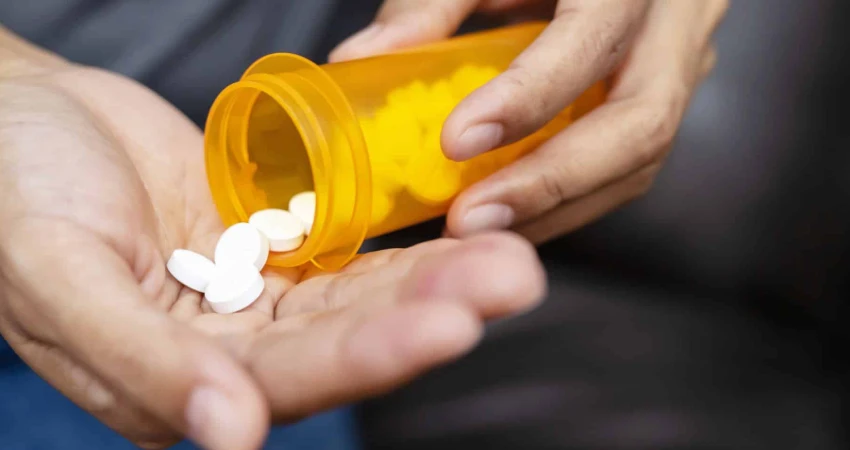
The distinction between the therapeutic use of stimulant medications and addiction to them begins with the underlying intent and the presence of medical supervision. In clinical practice, stimulant drugs are prescribed in controlled doses to treat conditions such as Attention-Deficit/Hyperactivity Disorder (ADHD) or certain forms of narcolepsy. They are taken under a physician’s supervision, with regular follow‑up visits to assess efficacy, monitor side effects, and reduce the risk of developing physical or psychological dependence.
In contrast, stimulant addiction typically arises when these medications are taken without a prescription, or in doses higher than recommended, with the aim of achieving rapid mental alertness, mood elevation, or prolonged wakefulness. Over time, this pattern of use can lead to tolerance (needing higher doses to achieve the same effect), compulsive drug‑seeking behavior, and the emergence of withdrawal symptoms upon cessation.
Non-medical use of stimulants for studying or work, or for weight loss outside a legitimate treatment plan, significantly increases the risk of addiction and various physical and mental health problems, including anxiety, sleep disturbances, hypertension, and mood disorders.
A clear understanding of the difference between medically supervised use and addictive use of stimulant medications is therefore essential for early recognition of risk signals and seeking specialized treatment before the harms escalate.
How is stimulant pill addiction treated?
Treating dependence on stimulant medications begins with a comprehensive medical and psychological assessment to determine the severity of physical and psychological dependence and to design a safe, individualized treatment plan.
Treatment typically includes a medically supervised detoxification phase to manage withdrawal symptoms such as depression, anxiety, profound fatigue, and sleep disturbances. Supportive medications may be used when appropriate to ease these symptoms and reduce cravings.
Once the patient is physically stabilized, the focus shifts to psychosocial interventions, particularly evidence‑based therapies such as Cognitive Behavioral Therapy (CBT), along with individual and group counseling. These approaches help patients understand the underlying factors contributing to stimulant misuse, modify thinking patterns and behaviors linked to drug use, and develop effective coping strategies for stressors and triggers.
In more severe cases, treatment in specialized addiction centers or residential (inpatient) programs is recommended. These provide a structured therapeutic environment that integrates ongoing medical care, psychological support, and social and vocational rehabilitation.
Family involvement and support from close contacts are essential components of the treatment plan for stimulant pill addiction. Long‑term follow‑up and relapse‑prevention programs are also crucial to maintaining recovery and supporting sustained remission.

Why Do Some People Fail to Overcome Stimulant Pill Addiction?
Many people struggle to recover from stimulant pill addiction because these medications create a strong physical and psychological dependence. Abruptly stopping them often triggers distressing withdrawal symptoms such as severe depression, insomnia, and profound fatigue, which pushes the person back to using the pills just to escape these symptoms.
Attempting to quit stimulants without proper medical supervision is another major reason for failure. Without a tailored pharmacological treatment plan and structured psychological and behavioral support, the individual is unlikely to develop the lifestyle changes and coping skills needed to maintain recovery.
Denial of the problem or downplaying the risks of stimulant addiction is also common, as is the influence of peers or a work or academic environment that implicitly encourages continued use to boost concentration or energy levels.
In addition, the absence of a comprehensive treatment program that combines medication management, psychotherapy, stress management strategies, and post-recovery follow‑up greatly increases the risk of relapse. Many people return to use at the first sign of stress, exhaustion, or everyday pressures.
Lack of family and social support, along with fear of stigma or social disgrace, often leads individuals to attempt self‑treatment in secrecy. This significantly reduces the likelihood of successful recovery and increases the chances of repeated relapse.
When should you seek immediate help?
In cases of stimulant pill addiction, you should seek urgent medical attention if any warning signs appear, such as a markedly rapid heartbeat (severe tachycardia), chest pain or pressure, difficulty breathing, seizures, very high fever (hyperthermia), or loss of consciousness.
You must also get emergency help if there are sudden, severe changes in behavior, including extreme agitation, aggression, hallucinations, paranoia, or any thoughts of suicide or self-harm.
If a large dose of stimulant pills has been taken, or they have been mixed with alcohol or other medications, or signs of drug toxicity appear, you should go straight to the emergency department or call emergency medical services.
In addition, it is strongly recommended to seek specialized care from a physician or an addiction treatment center if you are unable to stop using stimulant pills, or continue using them despite clear harm to your health, work, or relationships. Early intervention significantly improves the chances of safe recovery and helps reduce the complications associated with stimulant dependence.
Can Someone Fully Recover from Stimulant Pill Addiction?
Yes, full recovery from addiction to stimulant medications—such as amphetamines, Captagon, and Ritalin—is possible, provided that the person adheres to a comprehensive, evidence‑based treatment program.
Recovery from stimulant pill addiction typically starts with a medically supervised detoxification phase to manage withdrawal symptoms such as depression, fatigue, and sleep disturbances. This is followed by psychological and behavioral therapies that address the underlying causes of addiction and help modify the thought patterns and behaviors associated with stimulant use.
A standard treatment plan for stimulant dependence usually includes cognitive behavioral therapy (CBT), individual and group counseling, as well as rehabilitation programs that support the person in restoring psychological balance, social functioning, and occupational performance.
Although the risk of relapse may persist, consistent engagement in treatment, regular follow‑up, avoiding triggers associated with substance use, and learning effective coping skills for stress all significantly increase the likelihood of achieving stable, long‑term recovery from stimulant pill addiction.
The earlier the addiction is identified and treatment is initiated in a specialized stimulant addiction treatment center, the higher the chances of full recovery and regaining a good quality of life.
Start Treatment for Stimulant Pill Addiction Today at Waad Center and Reclaim Your Life
Don’t wait for things to get worse. Every day you delay treating stimulant pill addiction means more damage to your brain, body, and relationships.
At Waad Addiction Treatment Center, your recovery from stimulant pill dependence begins with a comprehensive medical treatment plan. We start with an in‑depth clinical assessment, followed by a medically supervised detox to safely clear stimulants from your system, while our specialist physicians manage withdrawal symptoms and help reduce cravings.
We apply evidence‑based treatment protocols that combine pharmacotherapy with psychological and behavioral interventions. Our goal is to help rebalance brain chemistry, restore concentration and healthy sleep patterns, and improve your ability to manage anxiety and stress.
You’ll also have access to individual and group support programs that address the underlying causes of addiction and help you build practical skills to cope with life’s pressures without resorting to stimulants—significantly lowering the risk of relapse.
If you’re looking for a trusted, confidential center that offers comprehensive, humane care for stimulant pill addiction, take the first step now by contacting Waad Center, and reclaim your health, your life, and your future—free from addiction.