

Table of Contents
What Are Speech Therapy Sessions for Children?
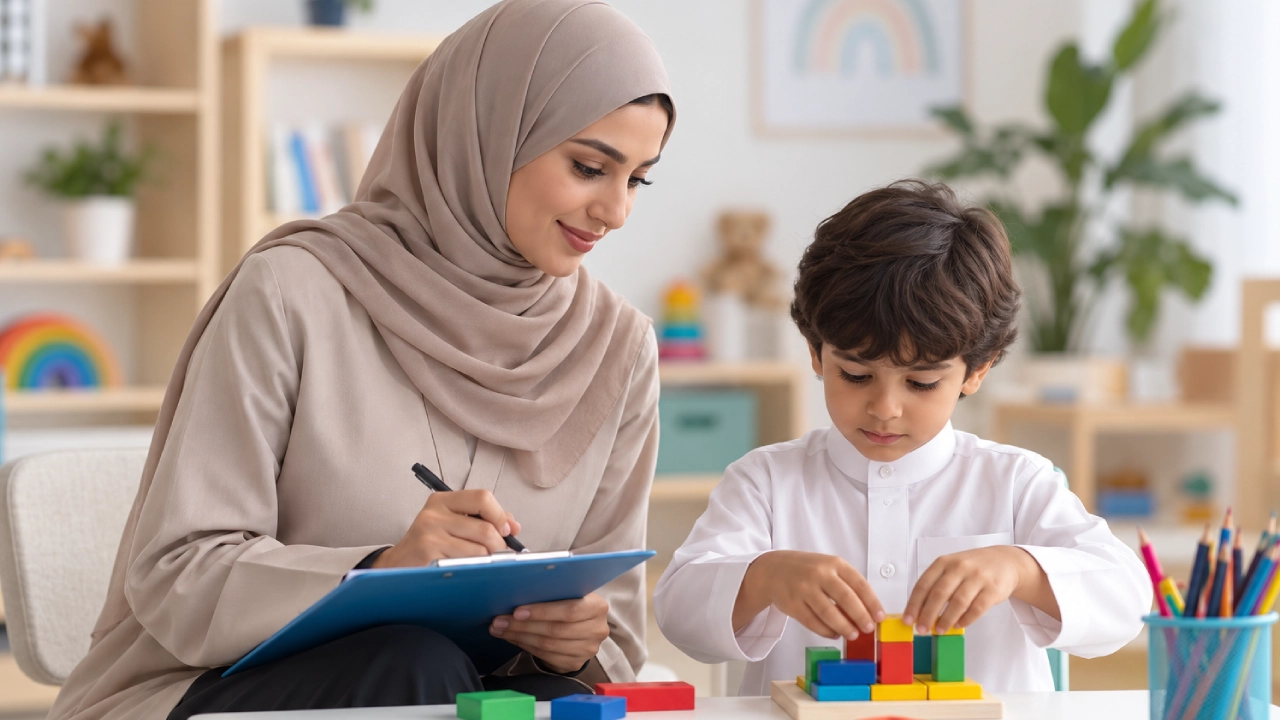
Speech therapy sessions for children are specialized therapeutic sessions designed to assess and improve a child’s speech, language, and overall communication skills, under the supervision of a qualified speech-language therapist.
During these sessions, the therapist works with the child to improve sound and word articulation, language comprehension, sentence formation, and the ability to express needs and emotions clearly and appropriately.
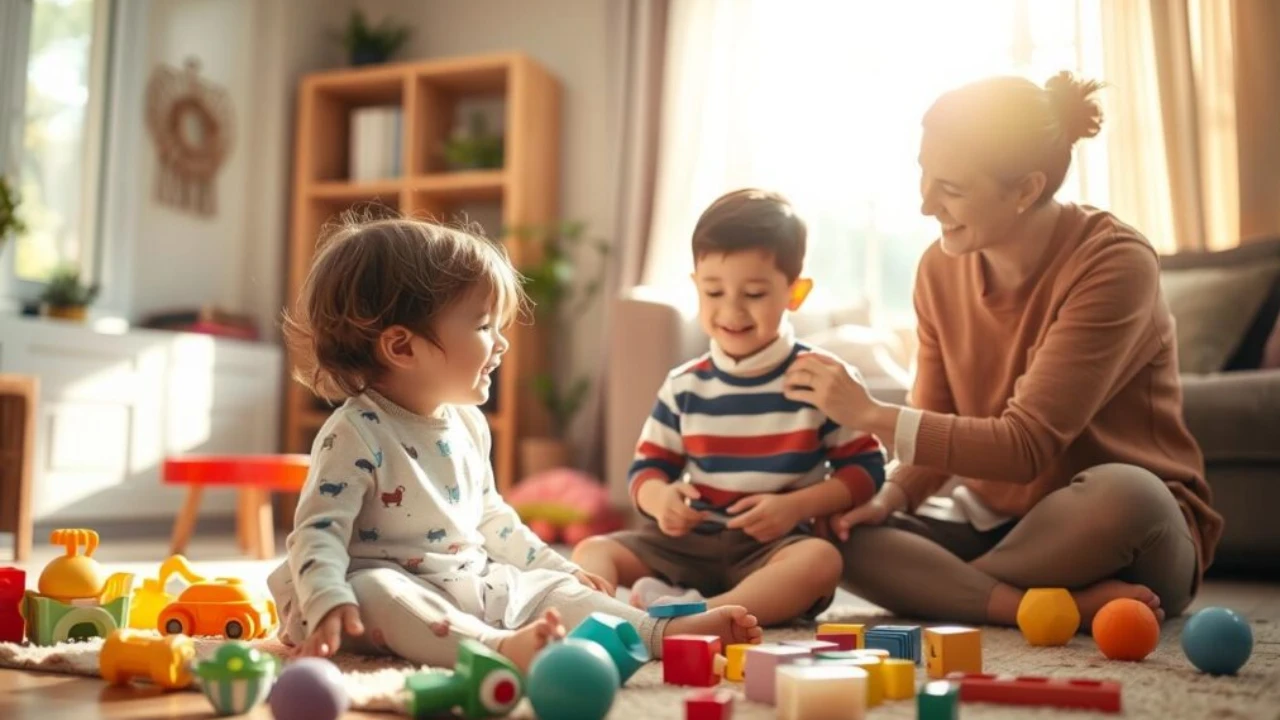
A variety of evidence-based techniques may be used, such as play-based therapy, picture cards, and interactive activities, to capture the child’s interest and encourage active participation.
Speech therapy is especially important for children who have speech delay, language disorders, stuttering, or social communication difficulties, as it helps build their self-confidence and enhances their interaction at home and in school.
These sessions also guide parents on effective strategies to support their child at home, making pediatric speech and language intervention more comprehensive and more likely to succeed.
When Does a Child Need Speech Therapy?
A child may need speech therapy when they show signs of delayed or disordered speech and language compared to children of the same age. This can include not making simple sounds or babbling by around 6–9 months, not saying clear, meaningful words like “mama” or “dada” by about 12 months, or not putting two to three words together in short phrases by age two.
Speech therapy may also be necessary if the child has persistent difficulty pronouncing certain sounds clearly, struggles to understand simple instructions, finds it hard to express their needs verbally, or relies mostly on gestures instead of speech.
It is advisable to consult a pediatric speech-language pathologist early if the child has a family history of speech or language disorders, hearing impairment, autism spectrum disorder, or a more general developmental delay.
Early intervention through speech therapy is highly beneficial in improving speech and language skills, boosting self-confidence, and reducing the risk of later difficulties in academic performance and social communication.

How Do Speech Therapy Sessions Help Improve a Child’s Life?
Pediatric speech therapy plays a comprehensive role in enhancing a child’s overall quality of life. It’s not just about correcting pronunciation; it also develops communication skills, comprehension, and the ability to express emotions and everyday needs.
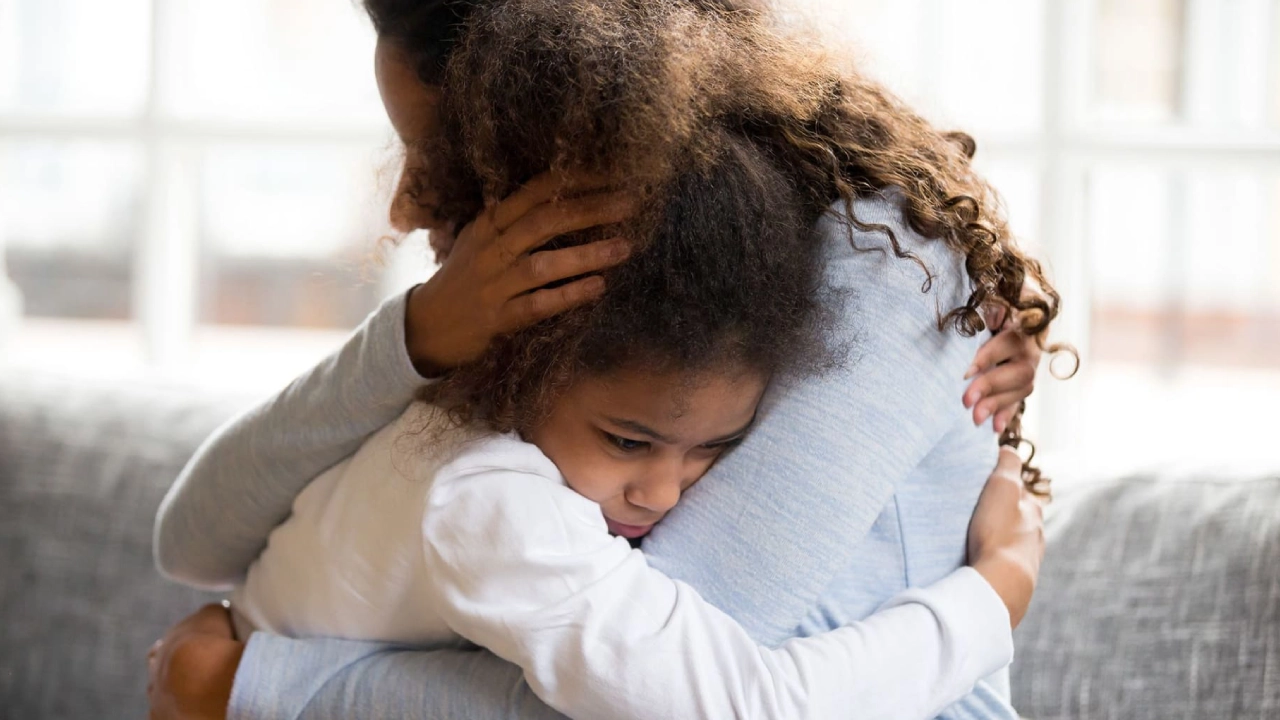
Using individualized treatment plans designed by a speech-language pathologist, the child learns to articulate sounds and words correctly, form clear and meaningful sentences, and improve both receptive language (understanding spoken language) and expressive language (speaking fluently and effectively). This, in turn, reduces feelings of frustration and social withdrawal.
Speech therapy also supports the child’s academic development by strengthening their ability to understand the teacher’s instructions, follow classroom directions, and participate in school activities.
On a social level, these sessions help children build friendships and develop stronger self-confidence by enhancing their conversation skills and their ability to interact with others.
The earlier speech therapy intervention begins, the greater the chances of improving the quality of life for the child and their family, and achieving better long-term outcomes.
Improving Speech and Articulation
Pediatric speech therapy plays a vital role in developing clear and intelligible speech.
The speech-language pathologist (SLP) works with the child on correct sound and letter production, refining articulation, and addressing issues such as lisping, stuttering, and other speech sound disorders.
Through repeated practice and language-based games, the child learns to form complete sentences and express needs and ideas with ease, which reduces frustration and miscommunication with others.
In this way, speech therapy sessions help improve a child’s quality of life by enabling clear verbal communication at home, at school, and in the wider community.
Enhancing Communication Skills
Speech therapy for children is not limited to pronunciation; it also focuses on developing both verbal and nonverbal communication skills.
Children learn how to initiate conversations, respond appropriately, maintain eye contact, and use tone of voice and body language that accurately convey their intended meaning.
These skills help the child build healthy relationships with family, peers, and teachers, and support greater participation in social activities.
Thus, speech therapy contributes to improving the child’s social and emotional well-being by strengthening their ability to communicate confidently and effectively with others.
Building Self-Confidence
As children begin to pronounce words more clearly and express themselves more easily, this progress is directly reflected in their self-confidence.
Speech therapy provides a safe, supportive environment that encourages children to try without fear of making mistakes, and every small step forward gives them a sense of achievement and pride.
This growing sense of success reduces shyness and social withdrawal that often accompany speech and language disorders.
Consequently, speech therapy plays a key role in enhancing a child’s emotional and psychological health by fostering a positive self-image and reinforcing their sense of competence and capability.
Improving Academic Performance
Effective communication is fundamental to success at school, and this is where the impact of speech therapy on academic performance becomes especially clear.
A child who can understand instructions, ask questions, and participate in class discussions is better able to grasp new concepts and achieve stronger academic outcomes.
Speech therapy also supports the development of vocabulary, listening, and comprehension skills—all of which are essential for learning to read, write, and master other school subjects.
In this way, pediatric speech therapy helps improve the child’s educational experience and reduces learning difficulties related to language and speech disorders, opening the door to better long-term academic prospects.
Read More: Repetitive Behaviors in Children: Causes and When to Seek a Professional Evaluation
The Role of Parents in the Success of Speech Therapy Sessions for Children
Parental involvement is a critical factor in the success of speech therapy for children, helping to improve speech and language delay or speech and language disorders more quickly and with longer-lasting results.
When parents are committed to carrying out home-based speech exercises, speaking to the child clearly and slowly, and modeling correct words and sentences in everyday situations, the weekly therapy session is transformed from a single hour into an ongoing, daily intervention that supports the child’s language development.
Speech-language pathologists recommend that parents attend and actively participate in sessions whenever possible, so they can learn strategies for developing language skills, such as expanding the child’s utterances into longer sentences, encouraging the child to express themselves verbally, and not relying on gestures or crying as a primary means of communication.
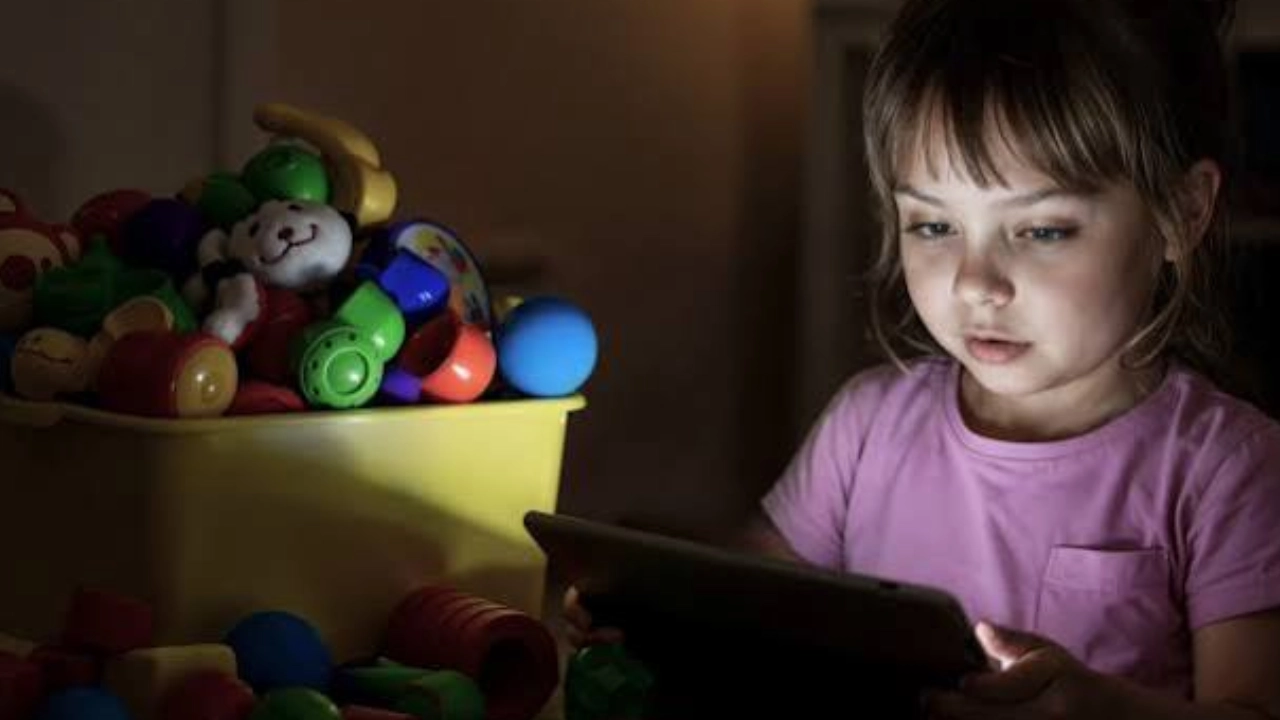
Creating a calm, screen-free environment, reading stories to the child on a daily basis, and offering encouragement without scolding or comparing them to others all contribute to increasing the child’s motivation and improving their response to therapy.
The closer the collaboration between parents and the speech-language pathologist, and the more consistently the home program is followed, the greater the chances of successful outcomes in speech therapy, with noticeable improvement in speech clarity and social communication over a shorter period of time.

How long does speech therapy take for children to show results?
The time it takes for a child to show progress in speech therapy varies from one child to another, depending on factors such as the severity and type of delay, the child’s age, consistency in attending sessions, and the level of support and practice at home. For this reason, there is no single fixed timeframe that applies to all children.
In many cases, some initial improvement in communication or speech skills can begin to appear after about 3 to 6 months of regular speech therapy, typically at a frequency of one to two sessions per week, combined with continued practice of exercises at home.
In children with mild speech or language delay, parents may notice clear progress in vocabulary, interaction, and the ability to produce certain sounds within this period. However, more complex language disorders—such as autism spectrum disorder, hearing impairment, or neurological conditions—often require a longer-term therapy plan that may extend over several months to several years.
What truly matters is maintaining regular follow-up with a speech-language pathologist, periodically assessing the child’s progress, and adjusting the treatment plan according to their response. It is important to understand that speech therapy for children is a gradual rehabilitative process rather than a quick fix. Consistent attendance, home practice, and active family involvement help accelerate progress and significantly improve the child’s speech and language outcomes.
Can speech problems in children be completely cured?
The possibility of fully resolving speech problems in children depends on the type of disorder, its underlying cause, and the timing of intervention. The encouraging news is that most cases of speech delay and articulation disorders show significant improvement with early, specialized speech and language therapy.
In many situations, with consistent adherence to a treatment plan designed by a speech-language pathologist, your child can achieve speech that is normal or very close to normal, especially when therapy begins at a young age.
Genetic factors, hearing impairments, and neurological conditions can all influence the speed and extent of progress. For this reason, some children may require longer periods of follow‑up and support.
It is essential for parents to understand that managing speech disorders is not limited to therapy sessions in a clinic or center. It is an ongoing partnership between the speech-language pathologist and the family, involving regular home practice of speech exercises and encouraging the child to communicate in everyday situations.
The more accurate the diagnosis, the earlier the intervention, and the more consistent the parental support, the higher the likelihood of fully treating speech problems in children or at least achieving the best possible outcome in terms of speech clarity and overall communication skills.
Pediatric Speech Therapy Services at Waad Center
Waad Center offers a comprehensive range of pediatric speech therapy services designed to improve speech, language, and social communication, following evidence‑based clinical guidelines.
Our speech sound disorder program begins with an in‑depth assessment of the child’s abilities, followed by an individualized treatment plan tailored to their age and specific needs—whether they present with speech delay, articulation and phonological errors, or receptive and expressive language disorders.
Therapy sessions are based on internationally recognized, up‑to‑date speech and language intervention methods, incorporating play‑based and interactive activities to motivate children and build their confidence in communication.
Waad Center is staffed by experienced pediatric speech and language therapists skilled in managing a wide range of communication disorders associated with autism spectrum disorder (ASD), attention‑deficit/hyperactivity disorder (ADHD), Down syndrome, and other developmental conditions.
Our team actively involves parents in the treatment process, providing guidance on home‑based speech and language exercises to help maintain progress and accelerate therapy outcomes.
If you’re looking for a leading pediatric speech therapy center that offers integrated services for speech delay, speech sound disorders, and language disorders, Waad Center provides a safe, supportive therapeutic environment focused on developing your child’s communication skills using the latest approaches in speech and language therapy.
Speech Therapy for Children: FAQs Answered
What is speech therapy for children?
Speech therapy for children is a treatment that helps improve speech clarity, language development, and communication skills through guided sessions with a speech-language therapist.
When does a child need speech therapy?
A child may need speech therapy if they have delayed speech, difficulty pronouncing sounds, trouble understanding language, or struggle to express themselves.
At what age should speech therapy start?
Speech therapy can start as early as 2–3 years old, and early intervention often leads to better results.
How long does speech therapy take for children?
It varies, but many children show improvement within 3 to 6 months, while more complex cases may require longer treatment.
Can speech delay be cured completely?
In many cases, yes—especially with early intervention and consistent therapy—but outcomes depend on the underlying cause.
How often should a child attend speech therapy sessions?
Most children attend 1–2 sessions per week, combined with daily practice at home.
What happens during a speech therapy session?
Sessions include play-based activities, speech exercises, and interactive techniques to improve communication skills.
Can parents help improve speech at home?
Yes, parents play a key role by practicing exercises, speaking clearly, and encouraging communication daily.
Is speech therapy effective for autism or ADHD?
Yes, speech therapy helps improve communication skills in children with autism, ADHD, and other developmental conditions.